

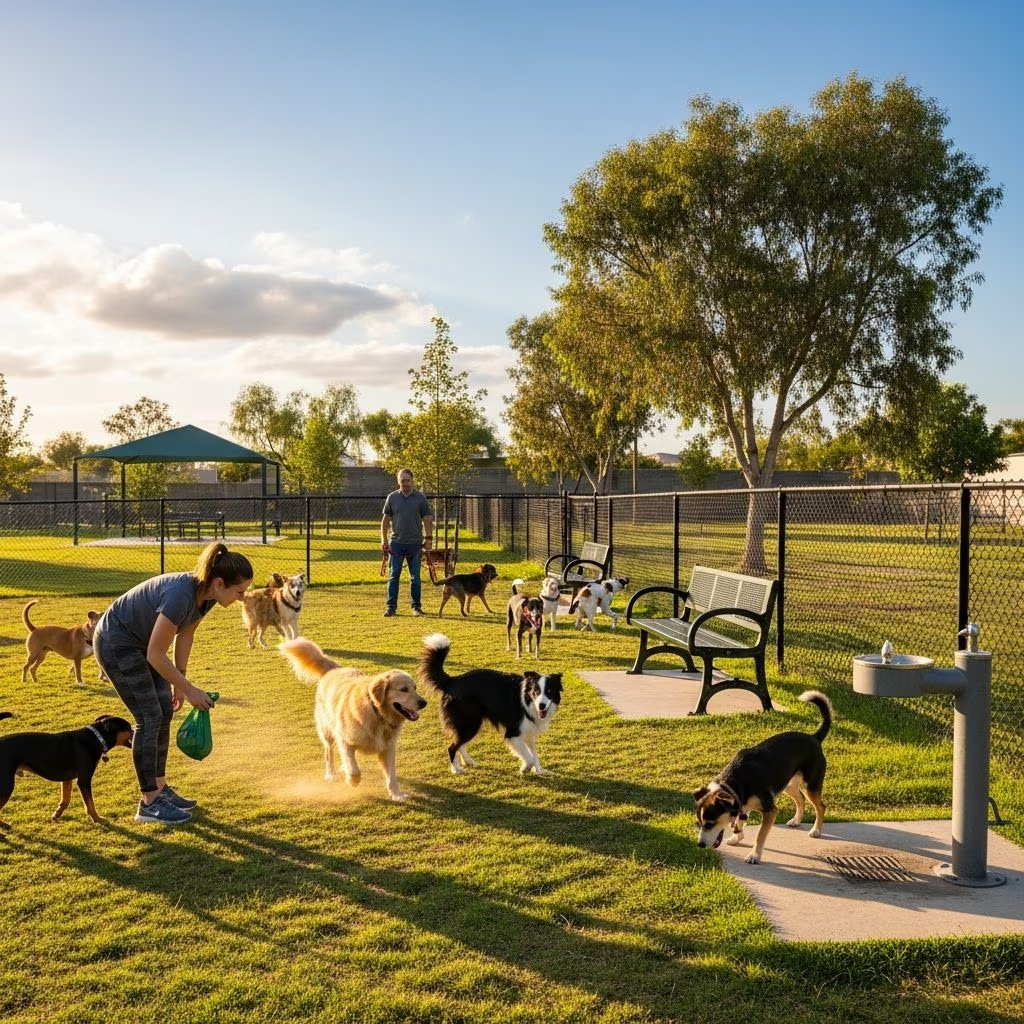
Dog parks provide valuable opportunities for exercise, socialization, and mental stimulation for canines. However, shared spaces demand responsible conduct from owners to prevent injuries, conflicts, or disruptions. This guide outlines key practices drawn from established guidelines to promote harmonious visits.
Assessing Your Dog’s Readiness
Before heading to a dog park, evaluate if your pet is suitable for the environment. Well-socialized dogs that enjoy interacting with others thrive here, while reactive or fearful ones may become overwhelmed.
- Ensure your dog responds reliably to recall commands in distracting settings.
- Confirm vaccinations are current and avoid parks if showing illness symptoms.
- Test socialization through controlled playdates first.
Dogs in heat or unneutered should typically stay home to minimize tensions. Puppies under 16 weeks may lack full immunity, making them vulnerable.
Mastering Entry and Exit Procedures
Double-gate systems prevent escapes; misuse leads to hazards. Leash your dog until fully inside the secure area.
| Step | Action | Purpose |
|---|---|---|
| 1 | Leash dog, enter first gate, close it | Contain existing dogs |
| 2 | Remove leash in buffer zone | Avoid leash-related reactivity |
| 3 | Open second gate, enter play area, close | Secure perimeter |
| Exit | Reverse process, leash before first gate | Prevent bolting |
Move away from gates promptly to avoid crowding newcomers, which stresses arrivals.
Supervision and Owner Presence
Constant vigilance is non-negotiable. Distractions like phones compromise safety.
- Position yourself where your dog remains in sight.
- Recall at signs of stress: stiff posture, growling, tucked tail.
- Intervene in mounting, bullying, or guarding without delay.
Never leave dogs unattended; owners are liable for incidents. Limit visits if unable to focus fully.
Cleanup and Hygiene Responsibilities
Maintain cleanliness by picking up waste immediately using provided bags or your own.
- Carry multiple bags and a scooper.
- Dispose in designated bins.
- Avoid communal water if unclean; bring portable bowls.
Prohibit human food inside to prevent begging or fights.
Navigating Size, Age, and Play Dynamics
Respect designated areas for small and large dogs, especially when crowded.
- Monitor play intensity; separate mismatched pairs.
- Recognize healthy play: relaxed mouths, play bows, take turns chasing.
- End session if one dog appears bullied or exhausted.
Age limits vary; consult signage. Intact females or aggressive barkers may need exclusion.
Interacting with Other Owners and Dogs
Foster positivity by communicating calmly. Avoid correcting others’ dogs; alert owners politely.
- Seek permission before giving treats to unfamiliar dogs.
- Minimize toys to prevent resource conflicts.
- Leave children home to reduce risks.
If tensions rise, exit gracefully rather than arguing.
Recognizing and Handling Problem Behaviors
Early intervention averts escalations. Watch body language cues.
| Behavior | Sign | Response |
|---|---|---|
| Aggression | Bared teeth, lunging | Leash and remove immediately |
| Fear | Cowering, whale eye | Create space, calm exit |
| Overarousal | Non-stop barking, humping | Interrupt, short break |
Report persistent aggressors to park management.
Timing Your Visits Wisely
Avoid peak hours initially for acclimation. Early mornings or weekdays suit newcomers.
- Scout solo first: check fences, rules, crowd levels.
- Shorten debut visits to 15-20 minutes.
- Monitor weather; extreme heat stresses dogs.
Health and Vaccination Protocols
Parks amplify disease risks via close contact.
- Verify rabies, distemper, parvovirus shots.
- Worm and flea treatments current.
- Skip if coughing, diarrhea, or lethargic.
Communal bowls spread bacteria; opt for personal hydration.
Advanced Tips for Frequent Visitors
Build skills progressively.
- Practice calm entrances at quiet times.
- Use positive reinforcement for good park behavior.
- Join local dog groups for playdate alternatives.
If issues persist, consult trainers for socialization help.
Frequently Asked Questions
Is my puppy ready for the dog park?
Puppies need full vaccinations (around 16 weeks) and proven socialization. Start with quiet sessions.
What if my dog is leashed-reactive?
Work on desensitization elsewhere first; dog parks exacerbate reactivity.
Can I bring toys?
Limit to durable, non-valued items; high-value ones spark guarding.
How do I handle a dog fight?
Don’t grab collars; distract with loud noises or water, then separate owners. Seek vet care if injured.
Are dog parks safe for seniors?
Older dogs benefit from gentle exercise but tire quickly; supervise closely.
Building a Positive Park Culture
Consistent adherence elevates experiences for all. Greet fellow owners, share tips, report maintenance issues. Responsible habits ensure dog parks remain viable community assets.
References
- Dog Parks Guidelines & Etiquette — Districtgov.org. 2024-05-23. https://www.districtgov.org/wp-content/uploads/2024/11/dog-parks-guidelines-etiquette-recreation-0523.pdf
- The Complete Dog Park Guide: Etiquette, Safety & Success — Wagbar.com. Accessed 2026. https://www.wagbar.com/the-complete-dog-park-guide-etiquette-safety-success
- Mastering Dog Park Etiquette for a Fun and Safe Outing — Cincinnatifamilyvet.com. Accessed 2026. https://www.cincinnatifamilyvet.com/services/dogs/blog/become-dog-park-pro-mastering-dog-park-etiquette-fun-and-safe-outing
- Proper Etiquette at the Dog Park — VCA Hospitals. Accessed 2026. https://vcahospitals.com/know-your-pet/proper-etiquette-at-the-dog-park
- Dog Park Etiquette — Palmettobay-fl.gov. Accessed 2026. https://www.palmettobay-fl.gov/251/Dog-Park-Etiquette



