

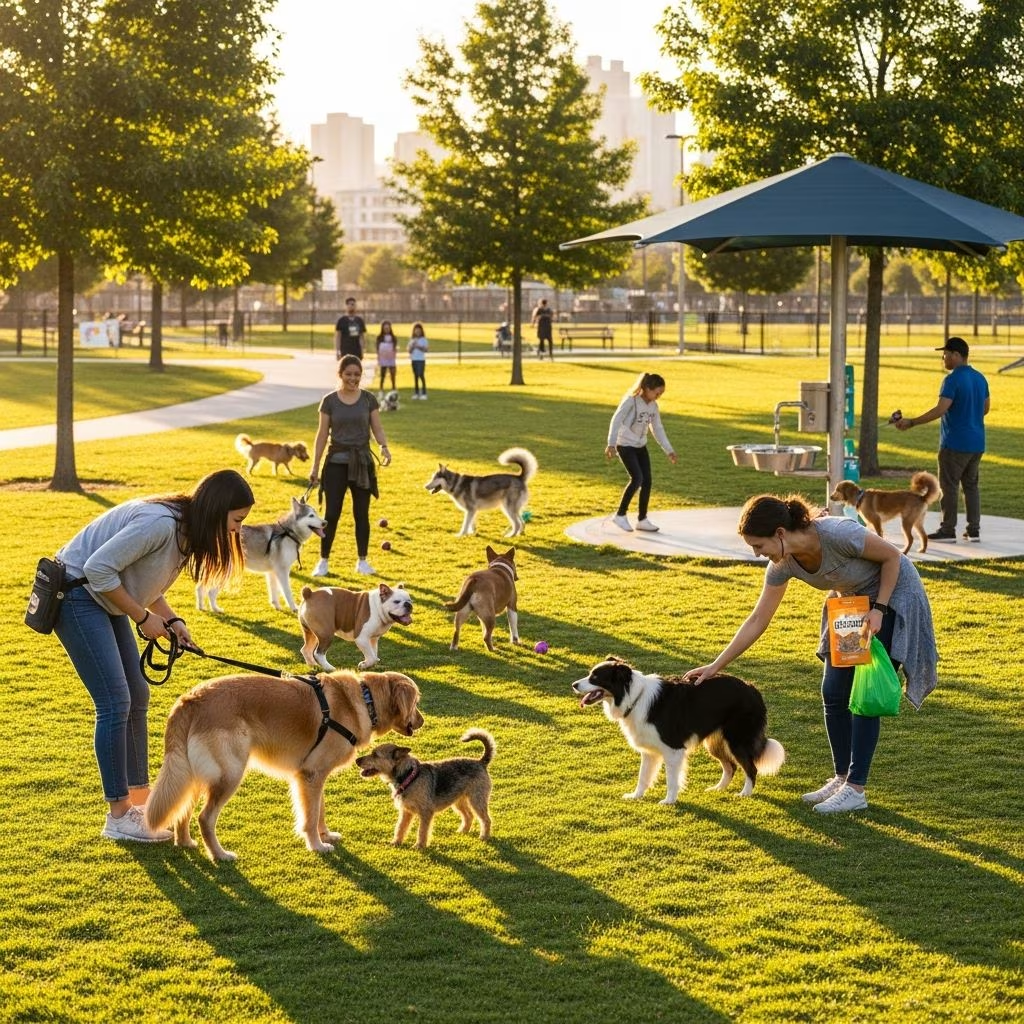
Dog parks provide invaluable opportunities for exercise, socialization, and mental stimulation for dogs and their owners alike. However, shared spaces demand adherence to specific guidelines to prevent conflicts, injuries, and disruptions. Proper etiquette fosters harmonious environments where every canine can thrive.
Preparing Your Dog for the Park
Before heading to any dog park, assess your dog’s readiness. Not every pet is suited for off-leash group play. Dogs should be at least six months old, fully socialized, healthy, and responsive to basic commands like “come,” “sit,” and “leave it.” Anxious, aggressive, or poorly trained dogs can pose risks to others.
- Verify vaccinations: Ensure your dog has up-to-date shots for rabies, distemper, parvovirus, and bordetella, as most parks require proof.
- Check spay/neuter status: Many facilities mandate sterilization to reduce hormone-driven behaviors.
- Confirm licensing: Dogs must wear current tags displaying proof of registration and vaccinations.
- Observe first: Visit without your dog to gauge the atmosphere, note rules, and watch interactions.
Pack essentials: Bring water, poop bags, a leash, high-value treats for recall training, and waste disposal tools. Limit toys to avoid resource guarding issues.
Mastering Entry and Exit Protocols
Double-gate systems are standard in secure dog parks to prevent escapes. Always leash your dog upon approach, enter the first gate, secure it fully, then proceed to the second while keeping control. Remove the leash only after the inner gate closes to avoid tension between leashed and unleashed dogs.
| Step | Action | Purpose |
|---|---|---|
| 1. Approach | Leash dog, carry ID | Maintains control |
| 2. First Gate | Enter, close securely | Prevents bolting |
| 3. Second Gate | Unleash inside, close | Ensures safety |
| Exit | Reverse process | Avoids chaos |
Owners must remain inside the fenced area, in view of their dogs at all times. Limit to three dogs per person per visit.
Supervision and Owner Responsibilities
Active supervision is non-negotiable. Put away phones and distractions to monitor behavior closely. You must intervene promptly if issues arise. Owners bear full liability for injuries caused by their dogs.
- Stay vigilant: Watch body language for stress signals like tucked tails, lip licking, stiff posture, growling, or avoidance.
- Use recall cues: Practice with treats to ensure reliability amid distractions.
- Respect limits: Adhere to age (13+ often required), size/weight separations, and capacity rules.
Proper attire and ID are mandatory; children under 19 need adult supervision. Leave young kids at home to avoid triggering excitement or accidents.[10]
Recognizing and Managing Dog Interactions
Dogs communicate through play bows, relaxed ears, and wagging tails during positive encounters. Interrupt unbalanced play: if one dog chases relentlessly while the other flees, perform a “consent test” by holding back the pursuer. Separate at signs of aggression like bared teeth or stiff-legged stares.
Avoid letting your dog bully, hump, or guard resources. Step in immediately and remove if necessary. Ask permission before greetings: “May our dogs play?” respects boundaries.
- Small vs. large: Use designated areas to prevent mismatches.
- Females in heat: Keep away to avoid overwhelming males.
- Overstimulation: Exit at first aggression hint.
Cleaning Up and Park Maintenance
Pick up after every elimination—bring bags and use provided stations. Refill digging holes promptly to preserve turf. Remove any litter you spot to keep the space pristine.
Prohibit disruptive activities: No balls, frisbees, or high-pitched screams that incite chaos. Follow leash rules in designated zones.
Navigating Common Challenges
Dog parks vary; scout for secure fencing (tall, no gaps), double gates, and clear signage. Avoid peak hours if your dog is timid.
- Intact dogs: Often banned; confirm locally.
- Unruly owners: Politely remind or report persistent violators.
- Group rushes: Wait for dispersal before entering.
Be courteous: Greet fellow owners to build community, but don’t touch or correct others’ dogs.
Benefits of Proper Etiquette
Following these practices enhances socialization skills, reduces bite risks (per AVMA data, supervised play lowers incidents), and promotes park longevity. Well-behaved visitors encourage more facilities.
Frequently Asked Questions
What if my dog shows aggression?
Remove immediately and consult a trainer. Parks prioritize safety.
Can I bring puppies?
Only if over 6 months, vaccinated, and socialized. Scout first.
What about treats or toys?
Minimize; they spark guarding. Use for recall only.
Are children allowed?
Supervised teens yes; young kids no due to risks.
How do I handle leash reactivity?
Train separately; dog parks aren’t ideal for reactive dogs.
References
- District Gov Dog Parks Guidelines & Etiquette — District Gov Recreation. 2024-05-23. https://www.districtgov.org/wp-content/uploads/2024/11/dog-parks-guidelines-etiquette-recreation-0523.pdf
- Become Dog Park Pro: Mastering Dog Park Etiquette — CareFirst Animal Hospital. N/A. https://www.carefirstanimalhospital.com/services/dogs/blog/become-dog-park-pro-mastering-dog-park-etiquette-fun-and-safe-outing
- The Complete Dog Park Guide: Etiquette, Safety & Success — Wagbar. N/A. https://www.wagbar.com/the-complete-dog-park-guide-etiquette-safety-success
- Dog Park Etiquette Every Pet Owner Should Know — BC SPCA. N/A. https://spca.bc.ca/news/dog-park-etiquette/
- Dog Park Etiquette – The Do’s and Don’ts — Sparkpaws. N/A. https://www.sparkpaws.com/blogs/community/dog-park-etiquette
- Beginner’s Guide to Dog Park Etiquette — Ontario SPCA. N/A. https://ontariospca.ca/blog/beginners-guide-to-dog-park-etiquette/
- Should You Take Your Dog to a Dog Park? — American Kennel Club. N/A. https://www.akc.org/expert-advice/training/dog-park-etiquette-tips/



