

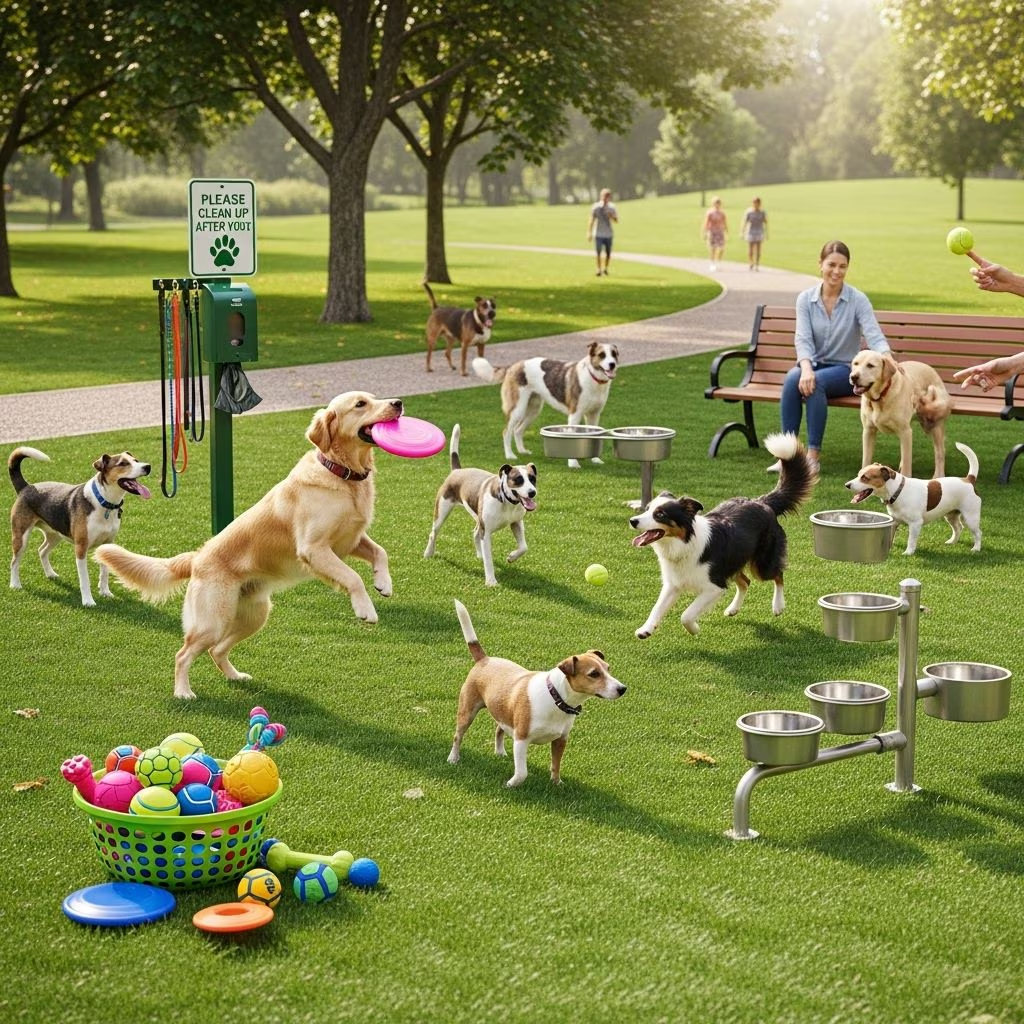
Visiting a dog park offers invaluable socialization opportunities for pets, fostering exercise, play, and interaction in a controlled environment. Proper preparation transforms these outings into positive experiences while minimizing risks like injuries or conflicts.
Understanding Local Regulations
Every dog park enforces specific guidelines to maintain order and safety. These often include requirements for vaccinations, licensing, and restrictions on dog age, size, or reproductive status. For instance, many facilities prohibit puppies under four months, intact females in heat, or more than a set number of dogs per owner per visit. Aggressive animals must be excluded immediately. Familiarize yourself with posted signs or inquire with park staff upon arrival to avoid violations.
- Verify vaccination proofs like rabies shots are current.
- Confirm size separations for small and large breeds.
- Adhere to leash mandates outside designated off-leash zones.
Owners bear full liability for their dog’s actions, so compliance protects everyone involved.
Essential Preparation Before Arrival
Prior to heading out, assess your dog’s readiness through training and health checks. Scout the park on a preliminary visit without your pet to note entry gates, parking, and layout. Ensure your dog masters basic obedience in distracting settings, such as ‘sit,’ ‘stay,’ and reliable recalls. Practice these during walks by running backward while calling your dog, rewarding promptly to build responsiveness amid excitement.
Pack a comprehensive kit: water bottle and collapsible bowl for hydration, waste bags for cleanup, leash for entry/exit control, ID-collared with tags and microchip verification, treats for reinforcement, towels for cleanup, and a basic first-aid set including bandages and antiseptic. Discourage digging by filling any holes your dog creates to prevent trips.
| Item | Purpose |
|---|---|
| Water & Bowl | Prevent dehydration during play |
| Poop Bags | Maintain cleanliness |
| Leash & Collar | Control and identification |
| Treats | Reward good behavior |
| First-Aid Kit | Handle minor injuries |
Facility Design and Safety Features
Safe dog parks incorporate robust infrastructure to mitigate hazards. Perimeter fencing should stand at least six feet high, extend underground to block digging escapes, and use durable materials like chain-link or welded wire. Separate zones for small dogs (under 25-30 pounds), large dogs, and mixed play areas reduce mismatch injuries from size or energy differences.
Entry protocols include double-gated systems to prevent bolting. Capacity limits curb overcrowding, while clear signage outlines health screenings for symptoms like coughing or lethargy. Staff training emphasizes monitoring canine signals, enforcing breaks after 20-30 minutes of intense activity, and using non-confrontational interventions like air horns or water sprays during scuffles.
- High fencing prevents jumps and digs.
- Size-separated areas minimize rough play risks.
- Leash requirements at gates control crowds.
Recognizing Canine Communication Signals
Interpreting body language prevents escalations. Tense postures like stiff tails, crouched stances, hard stares, or raised hackles signal discomfort or aggression. Normal play involves relaxed ‘play bows’ (front down, rear up), brief pauses, and balanced chasing where roles switch. Monitor your dog’s comfort: lip licking, yawning, or tail tucking indicates stress—leash and remove them promptly.
Group dynamics can turn risky if multiple dogs pursue one, overwhelming it. Stay attuned to shifts, intervening early by calling your dog for a water break or calm-down period.
Supervision and Owner Responsibilities
Active vigilance defines responsible ownership. Avoid distractions like phones or prolonged chats; position yourself for full visibility of play areas. Supervise children closely, as running or screaming can incite chases leading to bites. If your dog mounts, humps, or resource-guards (even without toys), redirect immediately.
Respect others by seeking permission before petting unfamiliar dogs. Limit visits to 1-3 dogs max, leaving if overcrowding sparks tension. Enforce rest breaks to combat fatigue-induced irritability.
Health and Wellness Considerations
Screen for illness before entry: exclude dogs with diarrhea, vomiting, nasal discharge, or fatigue to halt outbreaks. Heat cycle females trigger male fixation, compromising safety—opt out during these periods. Provide shade, frequent water access, and monitor for heat exhaustion signs like excessive panting or collapse, especially in summer.
Vaccination adherence and spay/neuter status often factor into rules. Microchipping offers permanent ID backup to collars.
Handling Conflicts and Emergencies
De-escalate by separating involved parties without physical grabs—use leashes, barriers, or noise deterrents. Document incidents for staff if present. In fires or evacuations, leash quickly and use multiple exits. Facilities with radios and extinguishers enhance readiness.
Post-conflict, evaluate if your dog needs a cool-off walk or park exit. Repeat offenders may require training refreshers before return.
Training Tips for Park Success
Build park proficiency through progressive exposure. Start in low-stimulation areas, gradually introducing distractions. Reward calm check-ins during play. Skip toys to avoid guarding; if used, bring multiples for sharing.
- Practice recalls off-leash in safe yards.
- Teach ‘leave it’ for ignoring triggers.
- Condition positive park associations with treats.
Ideal Visitor Profile
Suited dogs are socialized, vaccinated, under good voice control, and non-aggressive. Shy or reactive pups benefit from alternatives like fenced yards or playdates. Owners must commit to supervision and cleanup.
Frequently Asked Questions
Can puppies visit dog parks?
Most ban pups under four months due to incomplete vaccinations and fragility. Wait until fully immunized and socialized.
What if my dog shows aggression?
Leash and exit immediately. Seek professional training before retrying.
Should I bring toys?
Avoid to prevent resource guarding; extras help if sharing.
Are children allowed?
Yes, but under strict parental control—no running or unsupervised interactions.
How to prevent dehydration?
Offer water every 20-30 minutes, especially in heat.
Building Lasting Park Habits
Consistent adherence to these practices cultivates confident, well-mannered dogs thriving in social settings. Regular visits paired with home reinforcement yield happier pets and harmonious communities.
References
- Dog Park Safety Tips — City of San Ramon. 2023. https://www.sanramon.ca.gov/our_city/departments_and_divisions/parks_community_services/parks_facilities/dog_parks/dog_park_safety_tips
- Dog Park Rules and Safety Tips — Glatfelter Public Entities. 2024. https://www.glatfelterpublicentities.com/risk-management/content/dog-park-rules-and-safety-tips
- The Ultimate Guide to Dog Park Safety and Operations — Wagbar. 2024. https://www.wagbar.com/the-ultimate-guide-to-dog-park-safety-and-operations-standards-protocols-and-best-practices
- Become Dog Park Pro: Mastering Dog Park Etiquette — CareFirst Animal Hospital. 2023. https://www.carefirstanimalhospital.com/services/dogs/blog/become-dog-park-pro-mastering-dog-park-etiquette-fun-and-safe-outing
- 8 Tips for Good Dog Park Etiquette — Bayshore Veterinary Hospital. 2024. https://bayshore-vet.com/blog/dog-park-etiquette/



