

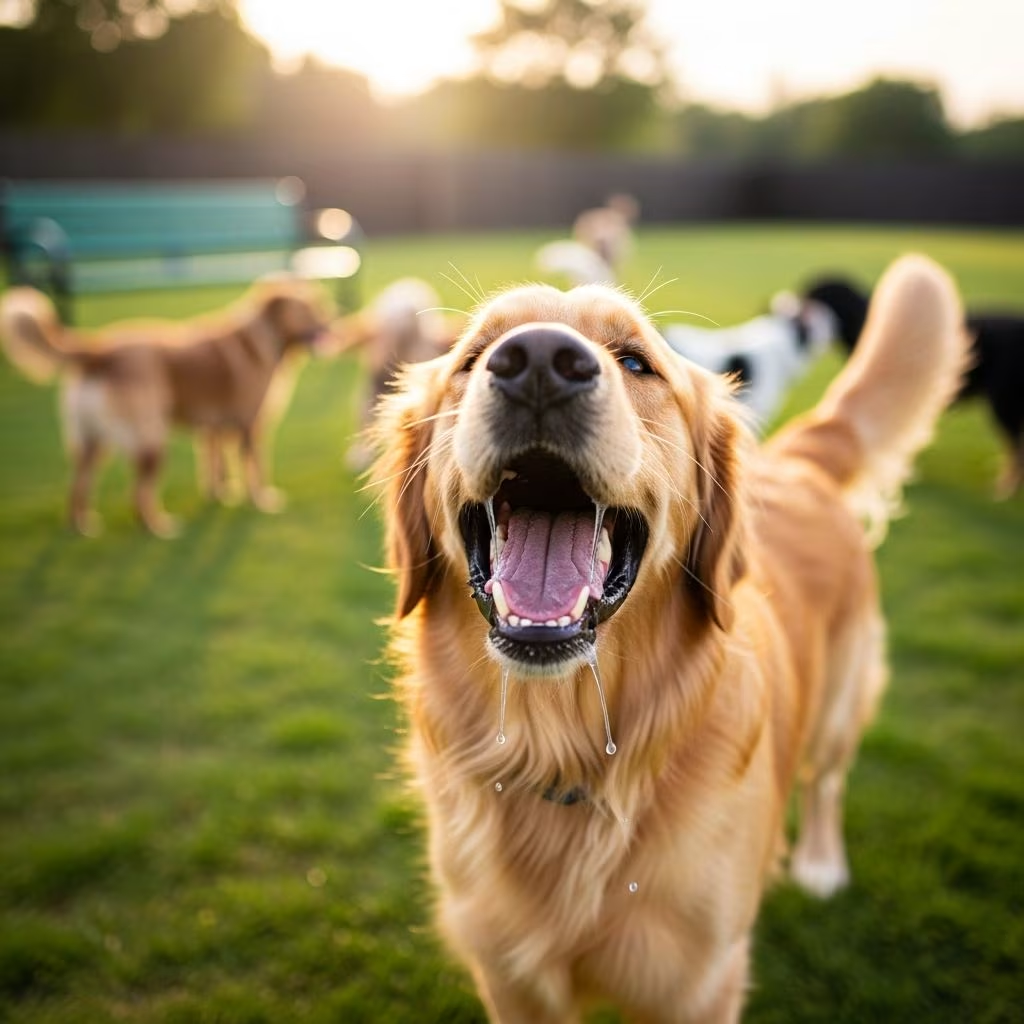
Dogs often produce noticeable amounts of saliva when visiting dog parks, a behavior that can range from a simple sign of joy to an indicator of underlying problems. Understanding these triggers helps owners ensure their pets remain healthy and comfortable during social outings.
The Role of Saliva in Canine Physiology
Saliva plays essential functions in dogs, aiding digestion by moistening food and containing enzymes that begin breaking down nutrients. It also lubricates the mouth, supports oral health by washing away debris, and assists in temperature regulation through evaporation during panting. In high-stimulation environments like dog parks, saliva production ramps up due to sensory overload or emotional responses, leading to visible drooling.
When dogs anticipate play or detect scents from other animals, their salivary glands activate, preparing the mouth for potential eating or swallowing. This natural process becomes evident as droplets form around the lips, especially in active settings.
Common Benign Reasons for Drooling at Dog Parks
Many instances of park-related drooling stem from everyday excitements rather than medical issues. Recognizing these helps differentiate routine slobber from concerns.
- Anticipation and Sensory Stimulation: The aroma of treats carried by other owners or the sight of balls and toys can trigger salivation as dogs gear up for rewards.
- Physical Activity and Cooling: Running and playing increase body heat, prompting panting and excess saliva to cool the body via evaporation.
- Breed-Specific Anatomy: Dogs with pendulous lips, such as Bloodhounds, Mastiffs, Saint Bernards, and Newfoundlands, naturally lose more saliva due to loose jowls that fail to contain it.
- Social Interactions: Greeting new dogs or engaging in play elicits excitement, boosting saliva flow temporarily.
These factors typically resolve once the activity ends, with drooling subsiding shortly after leaving the park.
When Drooling Signals Excitement or Stress
Dog parks buzz with energy, which can excite or overwhelm pets. Heightened emotions often manifest as drooling. Joyful reunions with pack mates or chasing frisbees spark hypersalivation linked to arousal. Conversely, unfamiliar crowds, loud barks, or dominant dogs may induce anxiety, causing stress-related drooling as a calming response.
Owners might observe this alongside tail wagging, play bows, or submissive postures. If the drooling pairs with relaxed body language, it’s likely behavioral and harmless. Persistent cases, however, warrant monitoring for patterns tied to specific park elements.
Health-Related Causes of Excessive Park Drooling
Not all drooling is innocuous. Certain medical conditions amplify saliva production, becoming pronounced in stimulating environments like parks where dogs pant more or encounter irritants.
Oral and Dental Problems
Dental diseases top the list of culprits. Periodontal issues, gum infections, fractured teeth, or tartar accumulation cause pain, prompting dogs to produce extra saliva while avoiding swallowing. Foreign objects like sticks or thorns picked up during play can lodge in the mouth, leading to nonstop dribbling.
Puppies teething at parks may drool from gum irritation, though this is age-specific. Regular dental checks prevent these issues from escalating.
Gastrointestinal Distress and Nausea
Nausea from motion sickness en route to the park, dietary indiscretions like eating grass, or underlying GI problems such as gastritis, obstructions, or pancreatitis triggers profuse salivation as the body preps for vomiting. Blockages from swallowed toys or bones create pressure and discomfort, often noticed post-play.
Toxin Exposure and Irritants
Dog parks pose risks from pesticides on grass, toxic plants, or discarded human food. Ingesting these irritants causes immediate heavy drooling, frequently with pawing at the mouth, vomiting, or lethargy. Venom from insects or toads encountered during romps can also provoke this reaction.
Overheating and Heat-Related Issues
Vigorous park play in warm weather leads to heat exhaustion, where dogs drool excessively while panting to dissipate heat. Untreated, this progresses to heatstroke, a veterinary emergency.
Other Systemic Concerns
Rarely, neurological disorders, infections like rabies, or congenital defects such as hiatal hernias manifest as abnormal drooling, potentially exacerbated by park exertion.
Deciphering Normal vs. Abnormal Drooling
To assess drooling, consider duration, volume, and accompaniments. Normal drool is brief, tied to clear triggers, and absent at rest. Abnormal signs include:
| Normal Drooling | Concerning Drooling |
|---|---|
| Short-lived, during play or food smells | Sudden onset, constant even at home |
| Only in specific breeds | Accompanied by vomiting, diarrhea, or lethargy |
| No other symptoms | Pawing at mouth, bad breath, or appetite loss |
| Resolves quickly post-activity | Worsens over time or with exercise |
Sudden changes in baseline drool patterns demand attention, as they may signal evolving health issues.
Practical Steps for Managing Drool at Dog Parks
Prevention starts with preparation. Schedule visits during cooler times, carry water for hydration, and scout parks for hazards like chemicals or foxtails. Use breed-appropriate leashes for control and monitor interactions to minimize stress.
Post-visit routines include mouth inspections for debris and tracking drool trends in a journal noting triggers and symptoms. Dental hygiene products and routine vet cleanings reduce oral risks.
When to Contact a Veterinarian
Seek professional help if drooling persists beyond 30 minutes post-park, involves blood, foam, or odd odors, or pairs with weakness, seizures, refusal to eat, or behavioral shifts. Emergency signs like collapse, severe vomiting, or toxin exposure require immediate ER visits. Vets may perform exams, bloodwork, or imaging to pinpoint causes.
Preventive Health Measures for Frequent Park-Goers
- Annual wellness exams with dental screenings.
- Vaccinations and parasite preventives to avoid infections.
- Balanced diet to prevent GI upset.
- Training for stress management in social settings.
- Obedience cues to avoid ingesting hazards.
These habits keep park adventures safe and slobber in check.
Frequently Asked Questions
Is drooling always a problem at dog parks?
No, it’s often normal excitement or breed trait, but watch for excess or symptoms.
What breeds drool most at parks?
Those with loose lips like Mastiffs, Bloodhounds, and Saint Bernards.
Can stress cause park drooling?
Yes, anxiety from crowds triggers saliva as a response.
How do I stop toxin-related drooling?
Rush to vet; do not induce vomiting without guidance.
Does teething cause puppy park drool?
Common in young pups from gum discomfort.
References
- Why is my dog drooling so much? How can I make it stop? — Carolina Veterinary Specialists. 2024-04-15. https://www.rock-hill.carolinavet.com/site/blog/2024/04/15/dog-drooling
- Why is My Dog Drooling So Much? — Trinity Veterinary Hospital. N/A. https://trinityveterinaryhospital.com/blog/why-is-my-dog-drooling-so-much/
- Is Excessive Drooling in Dogs an Emergency? — Hidden Springs Animal Hospital. N/A. https://hiddenspringsanimal.com/experiencing-an-emergency/is-excessive-drooling-in-dogs-an-emergency-7-signs-that-you-need-to-visit-the-pet-er/
- Beyond the Slobber: Why Your Dog Won’t Stop Drooling — Harlingen Veterinary Clinic. N/A. https://harlingenveterinaryclinic.com/blog/dog-drooling-constantly/
- Excessive Drooling in Dogs — PetMD. N/A. https://www.petmd.com/dog/symptoms/excessive-drooling-in-dogs
- Dog Drooling: When Is It Cause for Concern? — American Kennel Club. N/A. https://www.akc.org/expert-advice/health/why-do-dogs-drool/
- Drooling and Anxiety: How Stress Affects Your Pet’s Saliva Production — Tranquility Vet. N/A. https://www.tranquilityvet.com/how-stress-affects-your-pets-saliva-production/



