

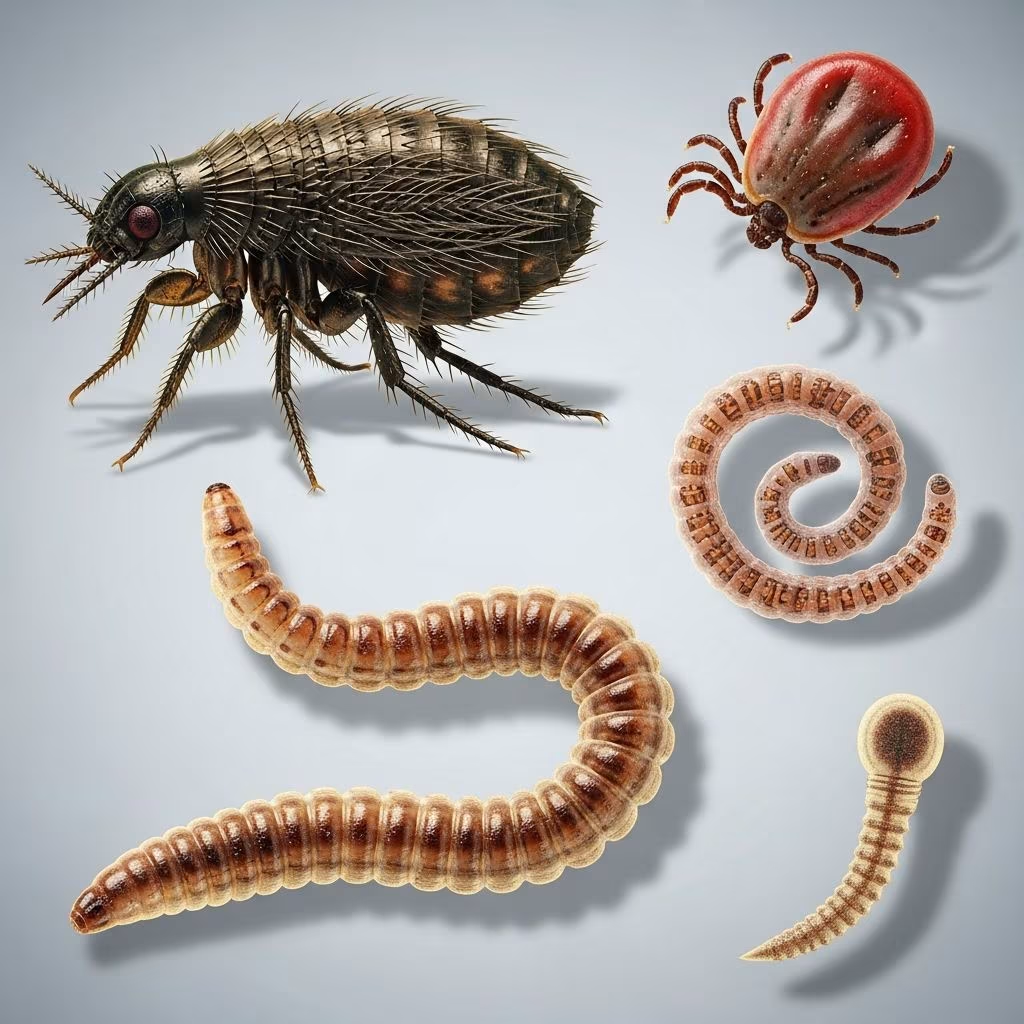
Parasites pose a significant threat to canine health, ranging from intestinal invaders that disrupt digestion to external pests that cause irritation and disease transmission. Understanding these organisms is crucial for pet owners to safeguard their dogs’ well-being. This guide delves into the most prevalent parasites, their impacts, detection methods, and control strategies, drawing from veterinary expertise to empower informed care.
Understanding Parasitic Infections in Canines
Parasites are organisms that live on or within a host, deriving nutrients at the host’s expense. In dogs, they can inhabit the gastrointestinal tract, skin, lungs, or bloodstream, leading to a spectrum of health issues from mild discomfort to life-threatening conditions. Common categories include protozoa, helminths (worms), arthropods (fleas, ticks, mites), and others. Puppies and immunocompromised dogs are particularly vulnerable, but all ages require vigilance.
Transmission occurs via contaminated environments, infected prey, vectors like fleas or mosquitoes, or direct contact such as nursing. Environmental factors like warm, humid climates exacerbate risks, especially in areas with poor sanitation.
Key Internal Parasites Affecting Dogs
Intestinal parasites are among the most frequent, stealing vital nutrients and damaging tissues. Here’s a breakdown of primary types:
- Roundworms: These spaghetti-like nematodes (Toxocara canis, Toxascaris leonina) infect via ingestion of eggs from contaminated soil or feces. Puppies often acquire them prenatally or through milk. Symptoms include pot-bellied appearance, vomiting worms, diarrhea, poor growth, and coughing from larval migration.
- Hookworms: Blood-sucking nematodes (Ancylostoma species) penetrate skin or are ingested/swallowed during nursing. They cause anemia, bloody diarrhea, weakness, and weight loss, particularly severe in pups.
- Whipworms: Trichuris vulpis resides in the large intestine, leading to bloody diarrhea, weight loss, and dehydration after eggs mature in soil for a month.
- Tapeworms: Cestodes like Dipylidium caninum spread via fleas or infected prey. Rice-like segments appear in feces or around the anus; heavy loads cause digestive upset.
- Other notables: Threadworms cause blood-streaked diarrhea; stomach worms from ingesting insects lead to vomiting and anemia.
Symptoms and Health Impacts
Manifestations vary by parasite load and dog health. General signs encompass:
- Diarrhea (mucus, blood, or black tarry stools)
- Vomiting, possibly with worms
- Weight loss despite normal appetite
- Lethargy and weakness
- Dull, shaggy coat
- Pot-bellied or distended abdomen
- Anemia (pale gums)
- Coughing or pneumonia-like symptoms
- Dehydration and poor growth in puppies.
Severe cases risk intestinal blockage, enteritis, or zoonotic transmission to humans, especially roundworms. External signs like scooting indicate anal irritation from tapeworms.
Diagnosis Methods
Veterinarians confirm infections through:
- Fecal flotation/microscopy: Detects eggs or larvae of roundworms, hookworms, whipworms.
- Visual inspection: Tapeworm segments or whole worms in vomit/feces.
- Endoscopy/X-rays: For deeper evaluation.
- Blood tests/Antigen tests: Heartworms or specific worms.
Multiple samples may be needed as intermittent shedding occurs.
Treatment Options for Parasitic Infestations
Prompt therapy halts progression. Common approaches include:
| Parasite | Treatment | Notes |
|---|---|---|
| Roundworms/Hookworms | Pyrantel, fenbendazole, monthly heartworm preventives (ivermectin/pyrantel) | Puppies dewormed multiple times first 3-6 months; treat dam pre-whelping. |
| Whipworms | Fenbendazole, milbemycin (some monthly preventives) | Requires sanitation. |
| Tapeworms | Praziquantel, epsiprantel | Flea control essential. |
| General | Liquid dewormers, tablets based on type | Follow-up fecal checks. |
For heartworms, multi-stage treatment prevents complications. Supportive care like fluids addresses anemia/dehydration.
Prevention Strategies
Proactive measures minimize risks:
- Monthly preventives: Cover heartworms, roundworms, hookworms (e.g., HEARTGARD Plus).
- Flea/tick control: Breaks tapeworm cycle.
- Sanitation: Daily poop pickup, dry clean environments, concrete kennels.
- Dietary restrictions: Avoid raw meat, infected prey (frogs, rodents).
- Puppy protocols: Deworm at 2,4,6,8 weeks; monthly thereafter.
- Regular vet checks: Annual fecal exams.
Regional risks (e.g., southern US hookworms) guide intensified efforts.
External Parasites: Fleas, Ticks, and Mites
Beyond internals, ectoparasites irritate and vector diseases:
- Fleas: Cause itching, allergies, tapeworm hosts.
- Ticks: Blood-feeders transmitting Lyme, anaplasmosis; remove carefully.
- Mites (Demodex, Sarcoptes): Lead to mange—hair loss, crusty skin, especially puppies.
- Lice: Rare indoors, cause flaking.
Topical/oral preventives control these effectively.
Zoonotic Risks and Public Health
Some parasites cross to humans: Roundworm eggs (Toxocara) via soil/feces cause visceral larva migrans; hookworms penetrate skin. Children, gardeners at risk. Prevention mirrors dog protocols.
When to Seek Veterinary Care
Consult a vet immediately for symptoms or exposure history. Emergency signs: severe weakness, bloody stools, breathing issues[10]. Early intervention prevents chronic damage.
Frequently Asked Questions (FAQs)
Can humans get worms from dogs?
Yes, roundworms and hookworms are zoonotic. Practice hygiene, deworm pets regularly.
How often should I deworm my dog?
Puppies: Every 2 weeks until 8 weeks, then monthly. Adults: Monthly preventives or per vet based on risk.
Do heartworm preventives cover all worms?
Many cover round/hookworms; add for whip/tape if needed.
Can parasites cause death in dogs?
Untreated heavy infestations, especially in pups, lead to anemia, malnutrition, death.
Is over-the-counter deworming safe?
Not always; vet-prescribed targets specifics accurately.
References
- Gastrointestinal Parasites of Dogs — Merck Veterinary Manual. 2023. https://www.merckvetmanual.com/dog-owners/digestive-disorders-of-dogs/gastrointestinal-parasites-of-dogs
- Intestinal Parasites in Dogs — HEARTGARD. 2024. https://heartgard.com/intestinal-parasites-in-dogs
- What You Need To Know About Parasites In Your Dog — Haywood Road Animal Hospital. 2023. https://www.haywoodroadvet.com/services/dogs/parasites
- Understanding Dog Parasites: 5 Signs To Watch Out For — Central Texas Animal Hospital. 2024. https://centraltexasanimalhospital.com/dog-parasites/understanding-dog-parasites-5-signs-to-watch-out-for/
- Parasites in dogs — PDSA. 2024. https://www.pdsa.org.uk/pet-help-and-advice/pet-health-hub/conditions/parasites-in-dogs
- Internal Parasites in Dogs — VCA Animal Hospitals. 2023. https://vcahospitals.com/know-your-pet/internal-parasites-in-dogs



