

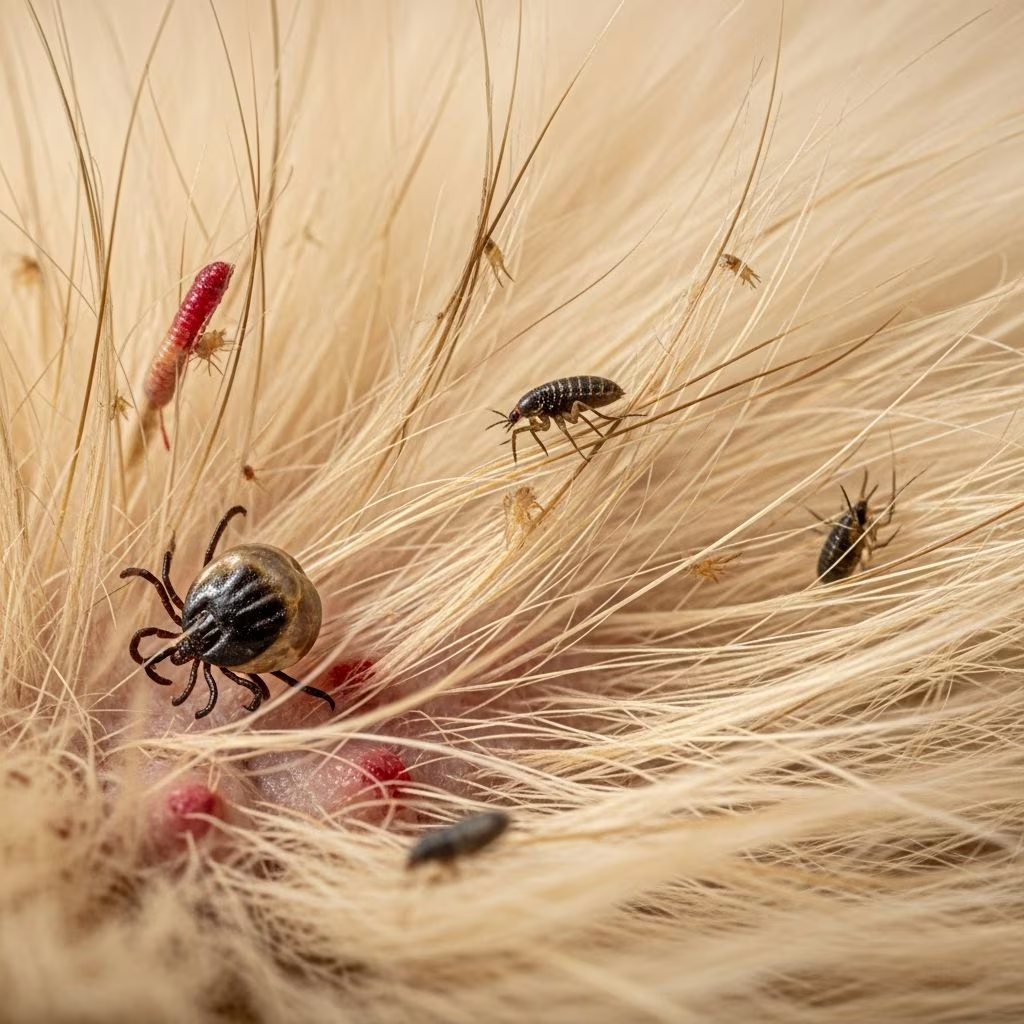
Parasitic infections pose significant threats to dogs of all ages, potentially leading to severe health complications if not addressed promptly. These organisms, ranging from intestinal worms to external pests like fleas and ticks, can sap vital nutrients, damage organs, and even transmit life-threatening diseases. Understanding the various types, recognizing early warning signs, and adopting proactive prevention measures are crucial for maintaining your dog’s well-being. This guide draws from veterinary expertise to equip pet owners with actionable knowledge.
Understanding the Scope of Canine Parasites
Dogs encounter a wide array of parasites throughout their lives, influenced by factors such as environment, lifestyle, and exposure risks. Internal parasites reside within the body, often targeting the gastrointestinal tract or cardiovascular system, while external ones live on the skin or fur. Puppies and senior dogs, along with those in multi-pet households or areas with high wildlife populations, face elevated risks. Regular veterinary check-ups and fecal examinations are foundational to early detection.
Transmission occurs through multiple pathways: ingestion of contaminated soil or feces, skin penetration by larvae, bites from intermediate hosts like fleas, or even vertical transmission from mother to puppy via placenta or milk. Climate plays a role too—warm, humid conditions accelerate parasite life cycles, making year-round vigilance essential even in temperate regions.
Common Internal Parasites in Dogs
Internal parasites, particularly nematodes and cestodes, are among the most prevalent issues in canine health. They disrupt digestion, cause nutrient malabsorption, and can lead to anemia or organ damage.
Roundworms: The Widespread Threat
Roundworms, scientifically known as ascarids like Toxocara canis and Toxascaris leonina, are especially common in puppies. These large, spaghetti-like worms inhabit the intestines, competing for food and sometimes migrating to lungs, causing respiratory issues. Puppies may appear pot-bellied with dull coats and stunted growth; severe cases involve vomiting worms or pneumonia-like symptoms from larval migration.
Humans face zoonotic risks from T. canis, where larvae can cause visceral larva migrans, affecting organs or eyes. Prevention starts with deworming puppies at two weeks old, repeated every two weeks until 12 weeks, then monthly.
Hookworms: Blood-Stealing Predators
Hookworms such as Ancylostoma caninum attach to intestinal walls, feeding on blood and leading to anemia, particularly in young dogs. Symptoms include dark, tarry stools, bloody diarrhea, weakness, and pale gums. Larvae penetrate skin or are ingested, thriving in moist environments. Tropical regions see higher incidences.
Treatment involves anthelmintics like fenbendazole, alongside iron supplements for anemia recovery. Environmental decontamination is vital to break the cycle.
Whipworms: Chronic Intestinal Invaders
Trichuris vulpis, or whipworms, embed in the large intestine, causing chronic watery or bloody diarrhea and weight loss. They resist many dewormers, requiring specific diagnostics via fecal flotation. Hot, humid climates favor their survival in soil for years.
Tapeworms: Segment-Shedding Pests
Tapeworms like Dipylidium caninum and Taenia species rely on fleas or infected prey as hosts. Dogs ingest them while grooming, leading to rice-like segments around the anus, mild digestive upset, or nutrient deficiencies. Diagnosis spots segments or eggs in feces; praziquantel effectively eliminates them.
Heartworms: A Silent Cardiovascular Killer
Transmitted by mosquito bites, Dirofilaria immitis heartworms reside in the heart and lungs, causing coughing, exercise intolerance, and potentially fatal heart failure. Preventive monthly medications are non-negotiable in endemic areas.
External Parasites: Skin and Coat Disruptors
External parasites thrive on a dog’s exterior, irritating skin and serving as vectors for diseases.
Fleas: Itchy Infestation Catalysts
Fleas cause allergic dermatitis, leading to excessive scratching, hair loss, and secondary infections. Their dirt (flea feces) appears as black specks; rapid reproduction demands integrated control.
Ticks: Disease Carriers
Ticks transmit Lyme disease, anaplasmosis, and ehrlichiosis via bites. Check after outdoor activities, removing with tweezers properly to avoid reactions.
Mites: Mange and Ear Invaders
Sarcoptic and demodectic mites cause intense itching, bald patches, and crusty skin. Ear mites lead to dark discharge and head shaking.
Recognizing Symptoms of Parasitic Infestations
Early symptom detection can prevent escalation. Common indicators include:
- Gastrointestinal distress: Diarrhea (bloody or mucoid), vomiting, pot-bellied appearance.
- Nutritional deficits: Unexplained weight loss, poor coat quality, reduced appetite or polyphagia.
- Visible evidence: Worms in stool/vomit, flea dirt, tick engorgement.
- Skin and behavior changes: Scratching, bald spots, lethargy, labored breathing.
Symptom severity varies by parasite load, dog age, and health status. Puppies often show dramatic signs like failure to thrive.
| Symptom | Associated Parasites | Severity Level |
|---|---|---|
| Diarrhea/Vomiting | Roundworms, Hookworms, Whipworms | High |
| Weight Loss | All intestinal worms | Medium-High |
| Skin Irritation | Fleas, Ticks, Mites | Medium |
| Coughing/Fatigue | Heartworms, Migrating Larvae | High |
Diagnosis Methods for Accurate Identification
Veterinarians use fecal centrifugation, flotation, or ELISA tests for eggs/larvae. Heartworm antigen tests and skin scrapings confirm specifics. Multiple samples may be needed for intermittent shedders like whipworms.
Effective Prevention Strategies
Prevention trumps cure:
- Broad-spectrum preventives: Monthly orals/topicals covering heartworms, fleas, ticks, intestinal worms.
- Hygiene protocols: Prompt poop scooping, flea combing, regular baths.
- Environmental management: Yard treatments, avoiding raw meat.
- Routine vet visits: Annual fecal exams, puppy deworming schedules.
Year-round protection is advised due to indoor-overwintering parasites.
Treatment Approaches and Recovery
Treatments target specific parasites: pyrantel for roundworms, milbemycin for hookworms/whipworms, praziquantel for tapeworms. Multi-day courses and follow-ups ensure clearance. Supportive care includes fluids, nutrition, and probiotics. External parasites require insecticides like fipronil.
Post-treatment, monitor stools and retest after 2-4 weeks. Resistance concerns necessitate vet guidance over OTC products.
FAQs on Dog Parasites
Can humans catch worms from dogs?
Yes, roundworms and hookworms are zoonotic; practice hygiene, especially with children.
How often should I deworm my dog?
Puppies: Every 2 weeks until 12 weeks, then monthly. Adults: Per vet based on lifestyle/risk.
Are natural remedies effective against parasites?
Limited evidence; consult vets for proven pharmaceuticals.
What if my dog shows no symptoms?
Asymptomatic carriers spread parasites; routine testing is key.
Do indoor dogs need parasite prevention?
Yes—mosquitoes, fleas, and contaminated shoes transmit them indoors.
Long-Term Health Implications and Monitoring
Untreated parasites contribute to chronic issues like anemia, organ strain, and susceptibility to other illnesses. Proactive owners reduce risks, ensuring longer, healthier lives. Track weight, stool quality, and energy levels monthly; abrupt changes warrant immediate vet attention.
Integrate parasite control into holistic care: balanced diet, exercise, vaccinations. Educate family on risks, fostering a parasite-free home.
References
- Symptoms of parasites in dogs — Banfield Pet Hospital. 2023. https://www.banfield.com/Wellness-at-banfield/Parasites/Symptoms-of-parasites-in-dogs
- Gastrointestinal Parasites of Dogs — Merck Veterinary Manual. 2024-02-01. https://www.merckvetmanual.com/dog-owners/digestive-disorders-of-dogs/gastrointestinal-parasites-of-dogs
- Common Internal Dog Parasites — Wellesley Animal Hospital. 2021-11-01. https://www.wellesleyanimalhospital.ca/en-ca/resources/blog/november-2021/common-internal-dog-parasites
- Understanding Dog Parasites: 5 Signs — Central Texas Animal Hospital. 2023. https://centraltexasanimalhospital.com/dog-parasites/understanding-dog-parasites-5-signs-to-watch-out-for/
- Internal Parasites in Dogs — VCA Animal Hospitals. 2024. https://vcahospitals.com/know-your-pet/internal-parasites-in-dogs



