

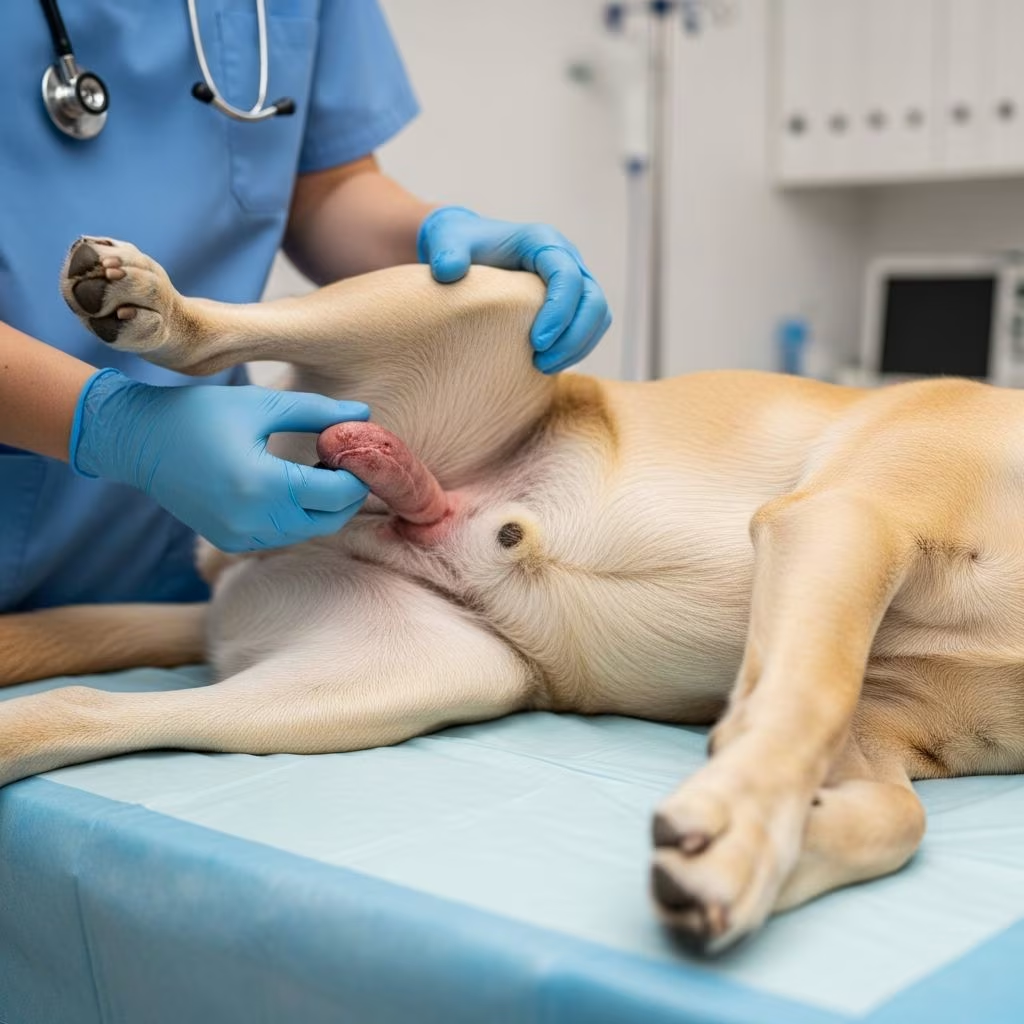
Paraphimosis strikes when a dog’s penis fails to slide back into its protective sheath, or prepuce, leaving sensitive tissue exposed to air, friction, and infection risks. This urologic emergency demands swift action since swelling blocks blood flow, potentially leading to dry, dead tissue if ignored.
What Triggers This Condition in Male Dogs?
Dogs face paraphimosis from birth defects or later-life issues. Congenital cases stem from a too-narrow preputial opening or short sheath that traps the penis outward. Acquired forms hit after events like mating, where the penis protrudes but won’t retreat due to swelling.
Other culprits include:
- Trauma: Bites, scrapes from fences, or humping injuries swell the area, blocking retraction.
- Infections: Balanoposthitis inflames penis and sheath, causing stuck exposure.
- Tumors: Penile growths distort shape and function.
- Muscle Weakness: Weak preputial retraction muscles from age, Addison’s disease, or nerve problems fail to pull tissue in.
- Foreign Blockers: Stray hairs wrap and constrict the tip.
- Blood Buildup: Hematomas inside penile tissue add bulk that jams retraction.
Young adults see it post-mating or play; older dogs link it to chronic ills. Straining from constipation rarely contributes by stressing pelvic muscles.
Spotting the Warning Signs Early
The “lipstick” look—pink penis tip out—is normal briefly after excitement, but paraphimosis lingers hours. Watch for excessive licking to soothe itch or pain, a top clue.
| Symptom | What It Means | Urgency Level |
|---|---|---|
| Constant Licking | Dog self-soothes exposed, irritated skin | Medium – Act soon |
| Swelling & Redness | Fluid buildup blocks veins; turns purple if bad | High – Vet now |
| Dry/Cracked Tissue | Air dries mucosa fast, worsening pain | High – Emergency |
| Bloody/Urine Dribble | Obstruction or infection; bladder strain | Critical – Rush to clinic |
| Whining or Limping | Pain makes movement stiff; no play interest | High – Don’t delay |
| Blackened Tip | Necrosis from no blood flow – tissue dying | Critical – Immediate vet |
Dogs pant, pace, or hide as discomfort builds. Urine trouble signals blockage risk.
First-Aid Steps Owners Can Take Safely
Time counts: exposed tissue swells in minutes from poor venous return. If mild and recent, try these at home while heading to vet:
- Clean Gently: Rinse with warm saline or mild soap; remove hairs or dirt with tweezers. Avoid harsh chemicals.
- Cool It Down: Cloth-wrapped ice pack for 5 mins cuts swelling via vasoconstriction.
- Sugar Trick: Pack white sugar or honey on swollen tissue 5-10 mins to draw out fluid osmotically. Rinse well after.
- Lubricate: Coat with KY Jelly or vet lube; gently massage back if slack. Lots of lube eases slide.
- Monitor Pee: Ensure urination; blockages need catheters.
Sedation helps vets but skip at home. Never force if tight—risks tears.
Pro Veterinary Care: From Meds to Surgery
Vets prioritize blood flow restoration, cleaning, and infection fight. Steps match severity:
Mild Cases: Cleanse, lubricate, infuse antibiotic/steroid cream daily. Acepromazine sedates mildly (0.005-0.03 mg/kg) to relax and hypotense for repositioning.
Severe Swelling: Hypertonic sugar, flush, lube, manual replace under sedation. Pain meds and anti-inflammatories follow.
Chronic/Recurrent: Diagnostics rule out tumors or nerve issues—bloodwork, urine tests, ultrasound, biopsy.
Surgery options:
- Purse-string sutures temporarily narrow sheath post-fix.
- Enlarge preputial opening permanently.
- Advance prepuce flap or phallopexy to anchor penis.
- Catheter for urine flow; antibiotics for infection.
- Rare extremes: partial amputation or urethrostomy if necrotic.
Edema fades fast once blood returns.
Preventing Future Episodes
Neutering cuts erection frequency and humping triggers. Trim sheath fur short to dodge hair snares. Watch post-mating or injury. Chronic cases need underlying fixes like Addison’s treatment.
Recovered dogs risk repeats; vigilant checks help.
FAQs on Dog Paraphimosis
Q: Is this common?
A: Not everyday, but spikes in young males post-mating. Rare in cats.
Q: Priapism vs. Paraphimosis?
A: Priapism is painful persistent erection inside sheath; paraphimosis is protrusion failure. Symptoms overlap—vet diagnoses.
Q: Home fixes always work?
A: Only mild, early ones. Swelling past hours needs pros to avert necrosis.
Q: Recovery time?
A: Days with prompt care; monitor for reinfection.
Q: Breeds prone?
A: No strong breed link, but long-haired ones risk hair traps.
Long-Term Outlook and Monitoring
Early intervention yields full recovery; delays scar or amputate. Post-care: e-collar stops licking, short walks, cone if needed. Follow-up checks catch recurrences. Educate on signs for quick response next time.
This condition tests owners’ calm—spot it, act, and pups bounce back strong.
References
- Tackling Paraphimosis In Dogs: Expert Advice For Dog Owners — Kingsdale Animal Hospital. 2023. https://www.kingsdale.com/tackling-paraphimosis-in-dogs-expert-advice-for-dog-owners
- Treatment of paraphimosis in a dog | VetGirl Veterinary CE Videos — VetGirl on the Run. 2023. https://vetgirlontherun.com/videos/veterinary-continuing-education-treatment-paraphimosis-dog-vetgirl-videos/
- Paraphimosis in Dogs: Emergency Signs and What to Do Fast — GSVS. 2024. https://gsvs.org/blog/paraphimosis-in-dogs-emergency/
- Paraphimosis in Dogs and Cats – Reproductive System — Merck Veterinary Manual. 2023-11-26. https://www.merckvetmanual.com/reproductive-system/reproductive-system-diseases-of-male-dogs-and-cats/paraphimosis-in-dogs-and-cats
- Paraphimosis in Dogs: What to Do — Veteris. 2024. https://veteris.co.uk/petcare-advice/paraphimosis-in-dogs-what-to-do
- Persistent Erection (Priapism and Paraphimosis) in Dogs — Vetster. 2024. https://vetster.com/en/symptoms/dog/persistent-erection



