

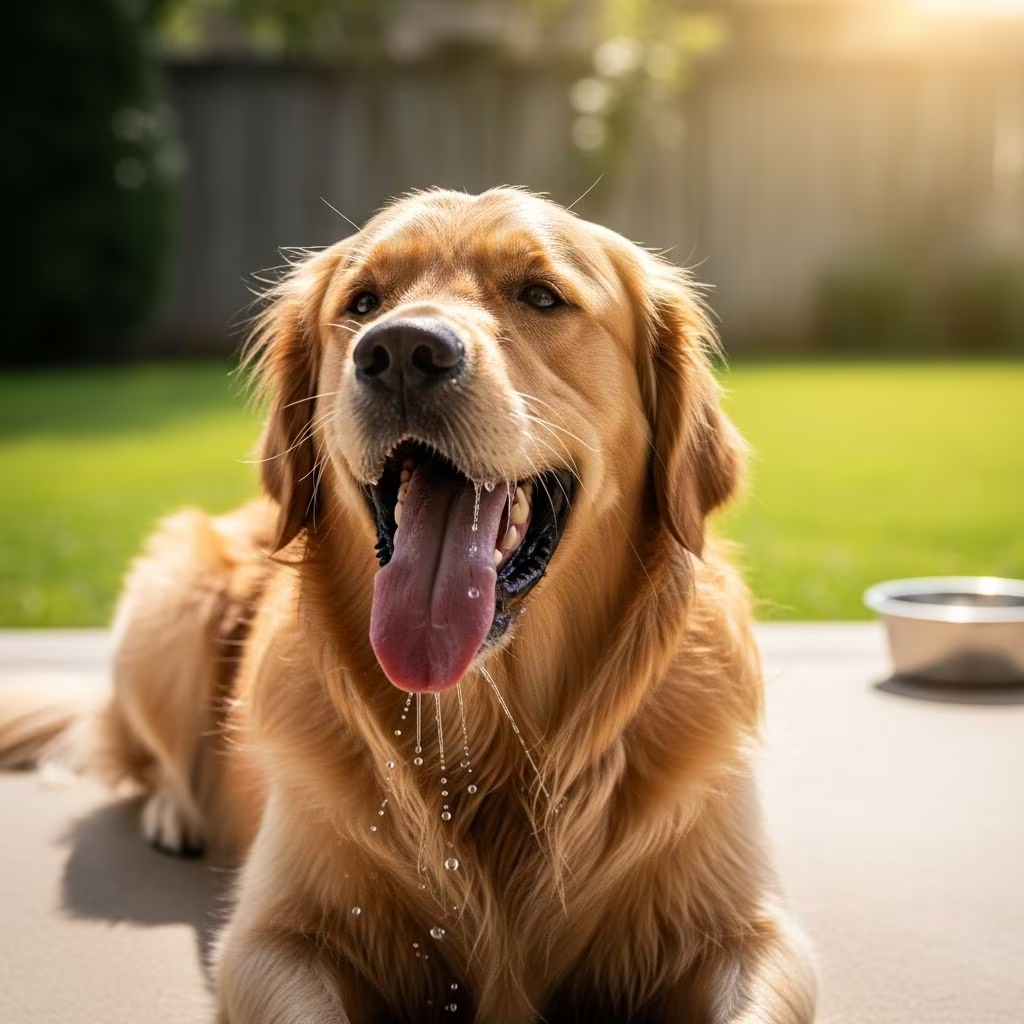
Observing your dog panting heavily without apparent reason, especially when they can’t seem to settle down, can be worrying for any pet owner. Panting serves as a dog’s primary cooling mechanism, but when it persists at rest or escalates suddenly, it often signals distress, discomfort, or an underlying health issue. This comprehensive guide delves into the various triggers of excessive panting in dogs, distinguishes normal from abnormal patterns, outlines critical symptoms requiring immediate attention, and provides practical strategies for management and prevention. Understanding these factors empowers you to respond effectively, potentially safeguarding your dog’s well-being.
Normal vs. Abnormal Panting: Key Differences
Dogs pant to regulate body temperature since they lack sweat glands like humans. After exercise, play, or in warm environments, brief panting is typical and resolves quickly as they cool down. However, abnormal panting stands out by its intensity, duration, or occurrence at rest. It may involve rapid, shallow breaths, noisy respiration, or accompaniment by other signs like restlessness or unusual posture.
- Normal panting: Occurs post-activity, lasts 5-10 minutes, breath sounds regular, dog appears relaxed afterward.
- Abnormal panting: Sudden onset without exertion, persists over 30 minutes, labored or noisy breathing, paired with lethargy, drooling, or behavioral changes.
Recognizing these distinctions is crucial. For instance, brachycephalic breeds like Pugs or Bulldogs naturally pant more due to airway restrictions, but escalation warrants scrutiny.
Environmental Triggers: Heat and Overheating Risks
Overheating tops the list of urgent causes for relentless panting. Dogs cool inefficiently, making them prone to heat exhaustion or life-threatening heatstroke, particularly in humid conditions, cars, or during vigorous activity. Initial signs include accelerated panting, bright red gums, and excessive drooling, progressing to weakness, vomiting, or collapse.
Brachycephalic breeds face amplified risks from narrowed airways (Brachycephalic Obstructive Airway Syndrome or BOAS), exacerbating panting even mildly warm. Prevention involves shade, water access, and avoiding peak heat hours. If suspected, cool gradually with fans or cool (not ice-cold) water and rush to a vet—delays can be fatal.
| Heatstroke Stage | Symptoms | Immediate Actions |
|---|---|---|
| Early | Heavy panting, red gums, restlessness | Move to cool area, offer water, monitor |
| Advanced | Drooling, weakness, vomiting | Emergency vet, cool body carefully |
| Critical | Collapse, seizures, blue gums | Call vet en route, do not delay |
Emotional and Behavioral Factors: Stress and Anxiety
Behavioral panting arises from anxiety, fear, or stress, often during thunderstorms, fireworks, or separations. Accompanying cues include yawning, whining, trembling, tucked tail, dilated pupils, or clinginess. This cortisol-driven response accelerates breathing to cope with emotional overload.
Unlike physical causes, stress panting may wax and wane with triggers but disrupts settling if chronic. Puppies and rescues are particularly susceptible. Management includes desensitization, safe spaces, calming aids like pheromone diffusers, or vet-prescribed anxiety meds for severe cases.
Pain as a Silent Culprit Behind Restlessness
Dogs mask pain, making excessive panting an early indicator of injuries, arthritis, or internal issues. It precedes limping or vocalizing, often with restlessness as they struggle to find comfort. Sources like abdominal pain from bloat or orthopedic problems trigger this response.
Observe for guarded movements, reduced appetite, or sensitivity to touch. Vets diagnose via exams, X-rays, or bloodwork, treating with pain relief, anti-inflammatories, or surgery as needed. Early intervention prevents chronic discomfort.
Respiratory and Cardiac Conditions
Breathing difficulties from pneumonia, bronchitis, laryngeal paralysis, or airway obstructions cause labored panting. Heart failure deprives tissues of oxygen, prompting compensatory rapid breaths. Symptoms include coughing, blue gums, or exercise intolerance.
Brachycephalic dogs and seniors are at higher risk. Diagnostics like chest X-rays or echocardiograms guide treatments such as medications, oxygen therapy, or surgery.
Hormonal Imbalances: Cushing’s and Beyond
Cushing’s disease (hyperadrenocorticism) elevates cortisol, leading to persistent panting, pot-bellied appearance, ravenous thirst, frequent urination, and poor coat. Diabetes or thyroid issues similarly disrupt metabolism, causing panting via heat dysregulation or ketoacidosis.
Blood tests confirm diagnoses; treatments include medications like trilostane for Cushing’s or insulin for diabetes. Untreated, these progress to severe complications.
Other Medical Concerns: Anemia, Poisoning, and More
Anemia reduces oxygen-carrying capacity, forcing faster breathing. Poisoning (e.g., toxins, chocolate) induces panting alongside vomiting or seizures. Respiratory infections, tumors, or eclampsia in nursing mothers also contribute.
Holistic vet assessments, including history and labs, pinpoint causes.
When to Seek Veterinary Help Urgently
Act immediately if panting pairs with collapse, seizures, pale/blue gums, unrelenting diarrhea/vomiting, or sudden onset post-exposure. For ongoing issues sans acute signs, schedule within 24-48 hours, noting patterns, diet, and meds.
- Sudden heavy panting at rest
- Altered gum color or temperature
- Refusal to eat/drink/move
- Accompanied by coughing or weakness
Diagnostic Approaches for Accurate Identification
Vets start with physical exams, probing heart, lungs, abdomen, and airways. Bloodwork screens hormones, organ function, glucose. Imaging (X-rays, ultrasounds) reveals tumors, fluid, fractures. Advanced tests like cortisol assays diagnose Cushing’s.
Everyday Strategies to Calm and Prevent Panting
Maintain cool environments, provide constant water, and exercise moderately. Anxiety tools: thunder shirts, CBD treats (vet-approved), training. Weight management aids breathing, especially for flat-faced breeds. Routine check-ups catch issues early.
FAQs: Common Questions on Dog Panting
Why does my dog pant at night without exercise?
Nighttime panting often stems from anxiety, pain, or Cushing’s. Monitor for patterns and consult a vet if persistent.
Is panting always a heat issue?
No, while common, it can indicate pain, heart problems, or stress. Context and symptoms guide assessment.
How to cool a panting dog safely?
Use fans, damp towels, cool water; avoid ice. Vet if severe.
Can medications cause excessive panting?
Steroids or others may; discuss with your vet.
When is panting an emergency?
If with collapse, odd gums, or distress unrelieved by cooling/rest.
References
- Why is My Dog Panting So Much? Causes and Tips to Help — Veg.com. 2023. https://www.veg.com/post/why-does-my-dog-keep-panting
- When is Dog Panting Abnormal? — Pet Health Network. 2024. https://www.pethealthnetwork.com/dog-health/dog-diseases-conditions-a-z/when-dog-panting-abnormal
- When Panting Is Abnormal — TVMF.org. 2023. https://www.tvmf.org/articles/when-panting-is-abnormal/
- Excessive Panting in Dogs — Crystal Lake Veterinary Hospital. 2024-04-30. https://www.casehospital.com/site/blog/2024/04/30/excessive-panting-dogs
- Causes of Excessive Panting in Dogs & When To Be Concerned — Advanced Care Animal Clinic. 2022-11-30. https://www.advancedcareanimalclinic.com/site/blog/2022/11/30/excessive-panting-dog
- Heavy Panting in Dogs — WebMD. 2024. https://www.webmd.com/pets/dogs/dog-panting-heavily
- Excessive Panting in Dogs – Causes, Treatment — Vetster. 2024. https://vetster.com/en/symptoms/dog/excessive-panting



