

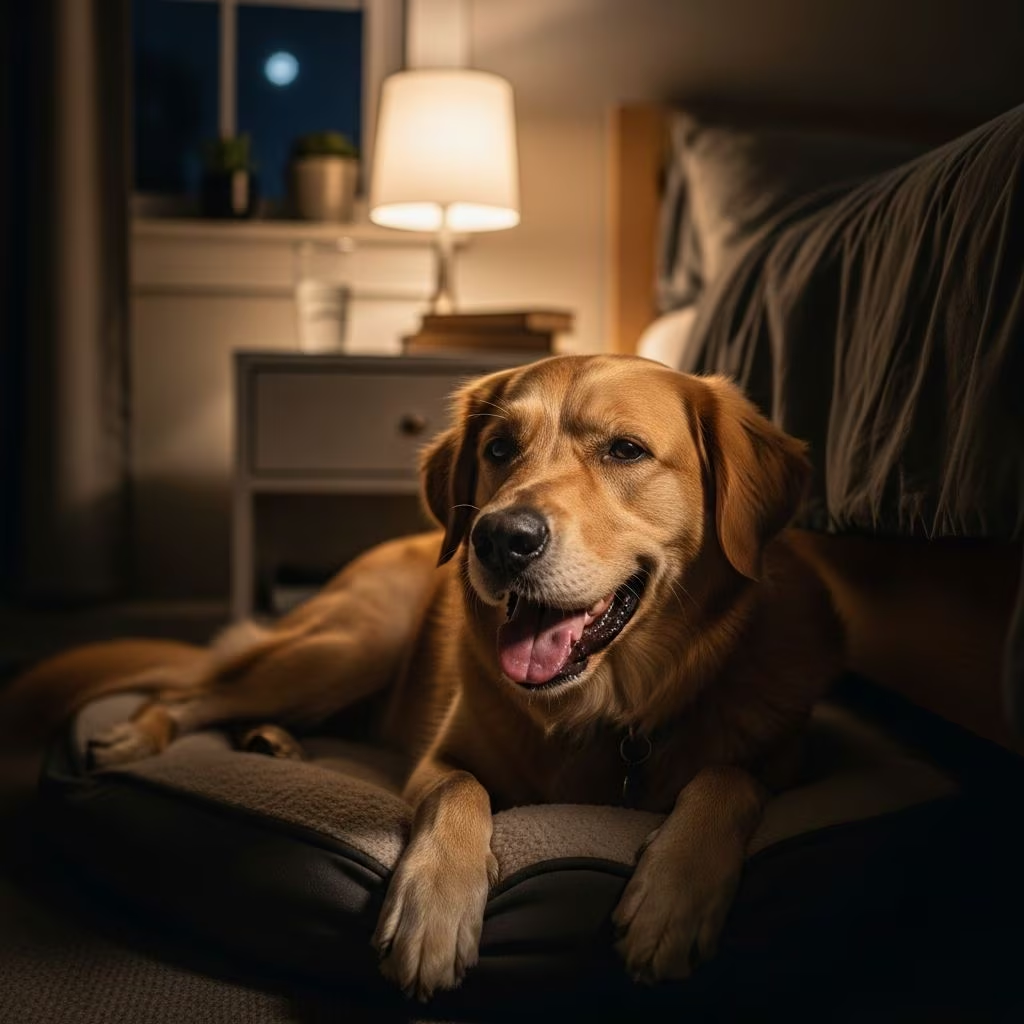
If you’ve noticed your dog panting heavily at night, you may be concerned about what this behavior means. While some nighttime panting is normal—dogs use panting as a primary cooling mechanism—excessive or unusual panting can signal underlying health issues, anxiety, or environmental discomfort. Understanding the potential causes of nighttime panting is essential for pet owners to ensure their dogs receive appropriate care and attention.
Understanding Normal vs. Abnormal Panting
Dogs naturally pant to regulate their body temperature, as they lack sweat glands like humans do. However, distinguishing between normal panting and a sign of distress is crucial. Normal panting typically occurs after exercise or in warm environments and subsides once the dog cools down. Abnormal panting, however, is excessive, persistent, and often accompanied by restlessness, behavioral changes, or other symptoms. If your dog is panting heavily at night without an obvious physical reason, it’s time to investigate potential causes.
Medical Causes of Nighttime Panting
Several serious health conditions can cause dogs to pant excessively at night. Identifying these medical issues early can make a significant difference in your dog’s quality of life and prognosis.
Heart Disease and Heart Failure
Heart disease is one of the most serious causes of nighttime panting in dogs. Excessive panting and coughing can be symptoms of heart disease or heart failure, conditions that significantly impact your dog’s ability to breathe. Dogs with heart conditions may pant heavily even after walking only short distances, as their hearts struggle to circulate blood efficiently throughout the body. Cardiovascular problems increase the workload on your dog’s heart, leading to compensatory panting. If you notice your dog showing signs of heart disease, immediate veterinary attention is necessary, as these are life-threatening conditions.
Cushing’s Disease
Cushing’s disease is a hormonal imbalance commonly seen in senior dogs and is frequently associated with abnormal, heavy panting. This condition develops when too much cortisol accumulates in the bloodstream. Beyond excessive panting, dogs with Cushing’s disease typically exhibit other recognizable symptoms, including increased hunger and thirst, frequent urination, hair loss, and a characteristic pot-bellied appearance. Because Cushing’s disease is more common in older dogs, senior pets exhibiting nighttime panting should be screened for this condition by a veterinarian.
Respiratory Issues
Respiratory diseases can significantly impact your dog’s ability to breathe, making it difficult for their bloodstream to receive adequate oxygen. Dogs with respiratory problems might pant heavily or struggle to breathe even after light exercise. If you notice your dog’s tongue has changed color from a healthy pink to blue, purple, or grey, this indicates oxygen deprivation and requires immediate emergency veterinary care. Conditions like congestive heart failure and lung disease fall into this category and demand prompt professional attention.
Heatstroke
Heatstroke is a serious and potentially fatal condition that causes heavy panting and can occur quickly. Dogs face increased heatstroke risk when temperatures exceed 106°F (41°C). Short-nosed breeds like pugs are particularly vulnerable to overheating, though all dogs can suffer from heatstroke. One critical safety measure: never leave a dog of any breed alone in a car in warm weather, as heatstroke can develop within minutes and lead to fatal consequences if untreated.
Canine Cognitive Disorder (Dog Dementia)
Dogs affected by cognitive dysfunction often experience disturbed sleep-wake cycles and may exhibit excessive panting and restlessness at night. This condition is similar to dementia in humans and becomes more common in senior dogs. The disrupted sleep patterns associated with cognitive disorder can trigger nighttime anxiety and compensatory panting.
Pain and Discomfort
Dogs experiencing pain from injuries or chronic conditions may exhibit nighttime panting and pacing behaviors. Common sources of pain include arthritis, injuries, and untreated allergies. If your dog is limping, reluctant to move, or showing other signs of discomfort during the day, these behaviors often intensify at night when distractions are removed, leading to visible panting and restlessness.
Other Medical Concerns
Various other medical issues can contribute to excessive panting. Hormonal imbalances like hyperthyroidism can lead to increased metabolic rates and compensatory panting. It’s important to monitor any accompanying symptoms such as increased appetite or weight loss and report these observations to your veterinarian.
Environmental and Behavioral Causes
Not all nighttime panting stems from medical conditions. Environmental factors and psychological issues also play significant roles in your dog’s nighttime behavior.
Stress and Anxiety
Stress and anxiety are common triggers for nighttime panting in dogs. Upsetting events like loud thunderstorms or fireworks can cause acute anxiety, while chronic issues like separation anxiety may trigger persistent panting. Dogs experiencing separation anxiety may pant heavily when their owners prepare to leave or when left alone at night. Creating a calm, secure sleeping environment and using anxiety-reduction techniques can help alleviate stress-related panting.
Environmental Temperature Issues
Puppies and senior dogs have a harder time regulating their body temperature and coping with high nighttime temperatures than adult dogs in their prime. If your home is too warm at night, your dog may pant excessively as a cooling mechanism. Ensuring your dog has access to cool, well-ventilated sleeping areas can help reduce environmentally-induced panting.
Untreated Allergies
Dogs with untreated allergies often experience disrupted sleep patterns. Allergic reactions can cause itching, inflammation, and respiratory irritation, all of which may manifest as nighttime panting and restlessness. Addressing your dog’s allergies with appropriate treatment can improve sleep quality and reduce nighttime panting.
When to Seek Veterinary Care
While occasional panting is normal, certain situations warrant immediate veterinary attention. If your dog shows signs of oxygen deprivation (tongue discoloration), panting accompanied by coughing, severe restlessness, or sudden changes in panting patterns, contact your veterinarian promptly. Additionally, if nighttime panting persists for more than a few days or worsens over time, professional evaluation is necessary to rule out serious health conditions.
Diagnostic Approaches Your Vet May Use
When you bring your panting dog to the veterinarian, they will likely perform a thorough physical examination and gather information about your dog’s symptoms, medical history, and lifestyle. Depending on initial findings, diagnostic tests may include blood work to check for hormonal imbalances like Cushing’s disease, chest X-rays to evaluate heart and lung function, an electrocardiogram (ECG) to assess heart rhythm, and ultrasound imaging for more detailed cardiac or abdominal evaluation. These diagnostic tools help veterinarians identify the underlying cause of nighttime panting and develop appropriate treatment plans.
Treatment Options Based on Cause
Treatment for nighttime panting varies significantly depending on the underlying cause. For heart disease, medications to improve cardiac function and reduce panting may be prescribed. Cushing’s disease treatment typically involves medication to regulate cortisol levels. Pain-related panting may improve with pain management medications and physical therapy. Anxiety-related panting might benefit from behavioral modifications, environmental adjustments, or anti-anxiety medications. Environmental issues can often be resolved by adjusting room temperature, improving air circulation, or modifying your dog’s sleeping space. The key is obtaining an accurate diagnosis to ensure appropriate and effective treatment.
Preventive Measures and Home Management
While not all causes of nighttime panting can be prevented, several steps can help reduce your dog’s risk and improve comfort:
- Maintain a cool sleeping environment: Keep your dog’s sleeping area well-ventilated and at a comfortable temperature, particularly important for puppies and senior dogs.
- Regular exercise: Ensure your dog receives appropriate daily exercise to maintain cardiovascular health and reduce nighttime restlessness.
- Monitor temperature: Never leave your dog in parked cars or hot environments, as heatstroke can develop rapidly.
- Address allergies: Work with your veterinarian to identify and treat allergies that may disrupt sleep.
- Create a calm bedtime routine: Establish consistent nighttime rituals to reduce anxiety and promote better sleep.
- Regular veterinary checkups: Senior dogs and those with health concerns should receive regular veterinary evaluations to catch conditions like Cushing’s disease or heart disease early.
Frequently Asked Questions
Q: Is it normal for dogs to pant at night?
A: Some panting is normal as dogs use this to regulate body temperature, but excessive, persistent panting at night often indicates an underlying issue and warrants veterinary evaluation.
Q: How can I tell if my dog’s nighttime panting is serious?
A: Signs of serious panting include color changes in the tongue (blue, purple, or grey), panting accompanied by coughing, severe restlessness, or sudden changes in panting patterns. These require immediate veterinary attention.
Q: Can anxiety cause nighttime panting in dogs?
A: Yes, stress and anxiety from events like thunderstorms, fireworks, or separation anxiety can cause significant nighttime panting. Creating a calm, secure environment may help alleviate anxiety-related symptoms.
Q: What should I do if my dog pants heavily after short walks?
A: Heavy panting after minimal exertion can indicate heart disease, respiratory problems, or other serious conditions. Schedule a veterinary appointment to have your dog evaluated.
Q: Are certain dog breeds more prone to nighttime panting?
A: Short-nosed breeds like pugs are particularly susceptible to heatstroke and heat-related panting. Senior dogs and puppies also have greater difficulty regulating body temperature and coping with warm environments.
Q: How is Cushing’s disease diagnosed?
A: Cushing’s disease is typically diagnosed through blood tests that measure cortisol levels. Your veterinarian may recommend specific tests if symptoms like excessive panting, increased thirst and hunger, hair loss, and pot-bellied appearance are present.
References
- Why is my dog panting and restless at night? — Germantown Animal Hospital. 2022-05-15. https://www.germantownah.com/site/blog-memphis-vet/2022/05/15/dog-panting-night
- Why is My Dog Panting at Night? — Bruceville Pet Hospital. 2023-01-15. https://www.brucevilleph.com/site/blog/2023/01/15/why-dog-panting-night
- Why Is My Dog Panting At Night? — Gentle Dran Animal Hospital. 2024-02-15. https://www.gentledranimalhospital.com/site/blog/2024/02/15/dog-panting-night
- Why Is My Dog Panting At Night? — South Hillsdale Animal Hospital. 2024-03-30. https://www.southhillsdaleah.com/site/blog/2024/03/30/dog-panting-night
- Why Is My Dog Panting At Night? — Mahopac Veterinary Clinic. 2024-04-15. https://www.mahopacvet.com/site/blog/2024/04/15/why-is-my-dog-panting-at-night
- Why Is Your Dog Panting at Night — Montgomery Veterinary Associates. 2024. https://mvavets.com/blog/why-is-your-dog-panting-at-night/
- Why is my dog panting at night? — Limehouse Vet Clinic. 2024-04-15. https://www.limehousevetclinic.com/site/blog/2024/04/15/why-dog-panting-night



