

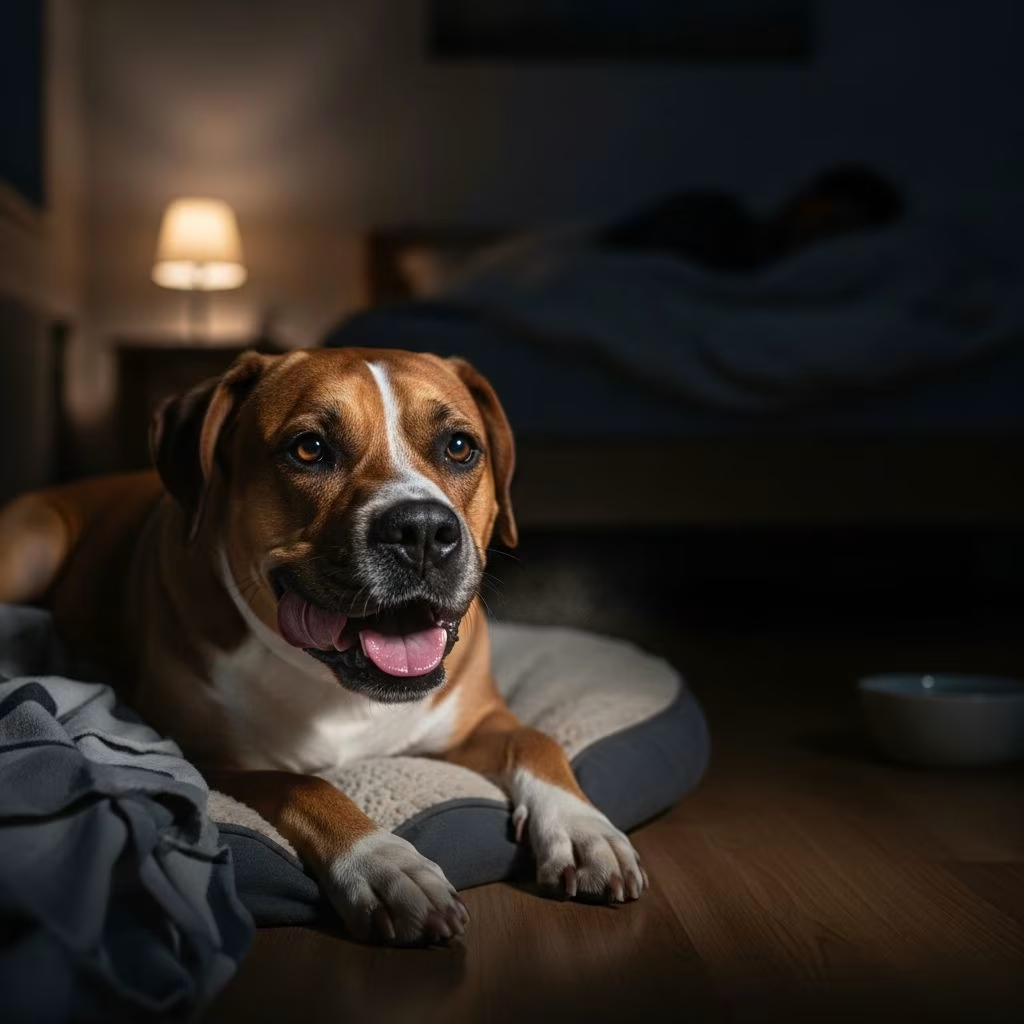
Dogs primarily regulate their body temperature through panting, but when this behavior occurs excessively at night during rest, it often signals an underlying problem. Nighttime panting can disrupt sleep for both pets and owners, ranging from benign environmental factors to serious health concerns requiring veterinary attention.
Recognizing Abnormal Panting Patterns
Normal panting helps dogs cool down after activity or in warm conditions, but nighttime episodes differ. Look for heavy breathing at rest, panting that interrupts sleep, or combinations with restlessness, whining, or pacing. These signs indicate potential distress rather than routine cooling.
- Heavy or rapid breaths without recent exercise.
- Panting upon waking or inability to settle.
- Accompanied behaviors like trembling, hiding, or excessive alertness.
- Discolored gums (pale, blue, or gray), signaling oxygen issues.
Observing these patterns helps differentiate normal from problematic panting early on.
Environmental Factors Triggering Nighttime Panting
Temperature fluctuations and poor ventilation often provoke panting in sensitive dogs. Puppies, seniors, and thick-coated breeds struggle most with heat retention overnight.
| Factor | Impact on Dogs | Solutions |
|---|---|---|
| Warm ambient temperatures | Impaired cooling, especially in humid climates | Use fans, cooling mats, open windows |
| Poor airflow in sleeping areas | Buildup of body heat | Relocate bed to cooler spot, add ventilation |
| Dehydration from day activities | Exacerbates overheating | Provide fresh water before bed |
| Brachycephalic breeds (e.g., Bulldogs) | Narrow airways worsen heat effects | Monitor closely, avoid enclosed spaces |
Addressing these can resolve mild cases quickly, but persistence warrants further checks.
Anxiety and Stress as Hidden Culprits
Emotional distress frequently manifests as nighttime panting, particularly when household activity quiets. Dogs may react to isolation, noises, or routine changes.
- Separation anxiety peaks when owners retire for the night.
- Noise phobias from traffic, storms, or fireworks linger into evenings.
- Senior dogs experience cognitive shifts disrupting calm.
Calming aids like pheromone diffusers or white noise machines offer relief, alongside gradual desensitization training. Persistent cases benefit from behavioral consultations.
Pain and Discomfort Disrupting Sleep
Injuries or chronic conditions amplify at night without daytime distractions. Arthritis, dental issues, or abdominal problems prompt panting as a pain response.
Common sources include:
- Musculoskeletal pain: Joint stiffness worsens in cooler nights.
- Dental infections: Throbbing leads to restlessness.
- Post-surgical recovery: Inflammation peaks overnight.
Gentle palpation can reveal tender areas, but professional pain management like NSAIDs may be needed.
Respiratory and Cardiac Conditions
Breathing difficulties from lung or heart issues force compensatory panting. These demand urgent evaluation due to rapid progression.
- Heart failure: Coughing and fatigue accompany labored breaths.
- Tracheal collapse: Common in small breeds, worsens with excitement.
- Pneumonia or bronchitis: Fever and lethargy add to symptoms.
Blue-tinged tongues indicate emergencies; seek immediate care.
Endocrine Disorders Like Cushing’s Disease
Hyperadrenocorticism, or Cushing’s, floods the system with cortisol, causing relentless panting especially in older dogs.
Symptoms cluster as:
- Increased thirst and urination.
- Pot-bellied stance and hair thinning.
- Ravenous appetite despite no weight gain.
Diagnosis involves blood tests; treatments range from medication to surgery.
Neurological and Age-Related Issues
Canine cognitive dysfunction mimics dementia, inverting sleep cycles and inducing nighttime agitation.
Signs include disorientation, vocalizing, and pacing with panting. Supplements like antioxidants support brain health, but vet-prescribed therapies optimize outcomes.
When to Escalate to Emergency Care
Not all panting requires alarm, but specific red flags do. Sudden onset, collapse, vomiting, or abdominal distension signal crises like internal bleeding or heatstroke.
| Emergency Signs | Potential Cause |
|---|---|
| Sudden unrelenting panting | Acute pain or toxin ingestion |
| Labored breathing at rest | Heart/lung failure |
| Weakness or collapse | Anemia or shock |
| Swollen abdomen | Bloat or organ issues |
Err on caution; nighttime clinics handle these promptly.
Diagnostic Approaches for Persistent Panting
Vets start with history and exams, progressing to:
- Bloodwork for hormones, infections.
- X-rays for heart/lung views.
- Ultrasounds for abdominal checks.
- ECG for cardiac rhythms.
Early diagnostics pinpoint treatable causes efficiently.
Home Strategies to Alleviate Nighttime Panting
While awaiting vet visits, implement supportive measures:
- Maintain cool, quiet environments.
- Establish consistent bedtime routines.
- Offer orthopedic bedding for joint relief.
- Monitor with pet cams for patterns.
Track symptoms in a journal, noting triggers and durations for vet discussions.
Preventive Measures for Long-Term Wellness
Regular check-ups catch issues early. Weight control, dental hygiene, and mental stimulation reduce risks. Vaccinations prevent respiratory infections.
For seniors, routine screenings for Cushing’s or cognitive decline prove invaluable.
FAQs on Dog Nighttime Panting
Is occasional nighttime panting normal?
Mild episodes after warm days can be, but frequent or intense ones are not.
How does anxiety-induced panting look?
Often with pacing, whining, or hiding behaviors.
Can diet affect panting?
Yes, obesity strains breathing; balanced nutrition helps.
What breeds are prone to respiratory panting?
Brachycephalics like Pugs and French Bulldogs.
Should I give human pain meds?
No; they can be toxic. Consult vets only.
References
- Why is my dog panting and restless at night? — Germantown Animal Hospital. 2022-05-15. https://www.germantownah.com/site/blog-memphis-vet/2022/05/15/dog-panting-night
- Why Is My Dog Panting Excessively at Night? — Nightwatch Animal Emergency. N/A. https://nightwatchanimalemergency.com/why-is-my-dog-panting-excessively-at-night/
- Why Is My Dog Panting At Night? — Santa Cruz Veterinary Hospital. 2022-02-28. https://www.santacruzveterinaryhospital.com/site/blog/2022/02/28/why-is-my-dog-panting-at-night
- Why Is My Dog Panting At Night? — South Hillsdale Animal Hospital. 2024-03-30. https://www.southhillsdaleah.com/site/blog/2024/03/30/dog-panting-night
- Why Is My Dog Panting At Night? — Mahopac Vet. 2024-04-15. https://www.mahopacvet.com/site/blog/2024/04/15/why-is-my-dog-panting-at-night
- What should I do if my dog pants at night? — Oakwood Animal Hospital. 2024-03-30. https://www.oakwoodanimalhospital.com/site/blog/2024/03/30/night-panting



