

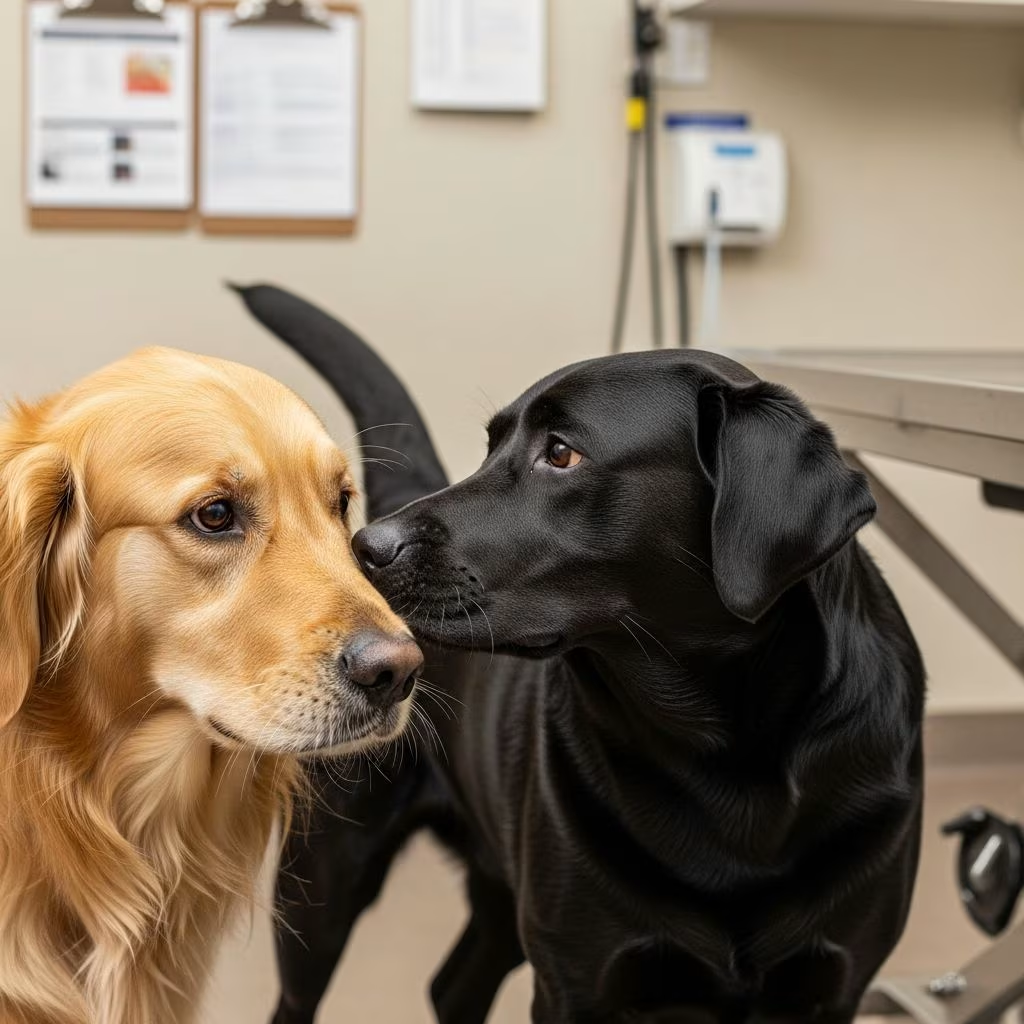
Pet owners often worry about infectious diseases spreading among their dogs, and it’s natural to question whether serious health conditions like pancreatitis can be passed from one dog to another. However, understanding the true nature of pancreatitis is essential for providing proper care and managing your dog’s health effectively. This guide explores the transmission potential of canine pancreatitis and provides crucial information about its actual causes, symptoms, and treatment options.
The Fundamental Nature of Canine Pancreatitis
Pancreatitis is an inflammatory condition affecting the pancreas, a vital organ responsible for producing digestive enzymes and regulating blood sugar levels. The condition occurs when digestive enzymes that are normally inactive during transit through the pancreatic duct prematurely activate within the pancreas itself. This early activation causes the pancreas to begin digesting its own tissue, resulting in inflammation, pain, and potential damage to surrounding organs.
The severity of pancreatitis varies significantly among affected dogs. Some may experience mild inflammation that responds well to conservative treatment, while others develop severe, life-threatening cases requiring intensive hospitalization and specialized medical intervention.
Is Pancreatitis Contagious Between Dogs?
The straightforward answer is no—pancreatitis is not contagious between dogs. This inflammatory pancreatic condition cannot be transmitted from one dog to another through any means of contact, including direct physical interaction, sharing food and water bowls, or respiratory droplets. Unlike infectious diseases caused by bacteria, viruses, or parasites, pancreatitis develops as a result of internal factors affecting the individual dog’s pancreas.
Pancreatitis is a non-infectious inflammatory disease, meaning it arises from internal dysfunction rather than external pathogenic organisms. Dogs cannot “catch” pancreatitis from other dogs in their household, at dog parks, or during veterinary visits. Each case develops independently based on that individual dog’s risk factors and predisposing conditions.
What Actually Causes Pancreatitis in Dogs?
Understanding the true causes of pancreatitis helps pet owners recognize why their dogs develop this condition and what preventive measures they can take. Several established risk factors contribute to pancreatic inflammation in canines.
Dietary Factors
High-fat diet consumption represents the most common trigger for pancreatitis in dogs. Dogs that consume excessive fatty foods, particularly in single large meals, face significantly elevated risk. This dietary connection becomes especially apparent during holiday seasons when dogs may have access to rich table scraps and fatty human foods. Veterinary emergency rooms experience dramatic increases in pancreatitis cases the day after major holidays like Thanksgiving, when well-meaning owners share rich, fatty foods with their pets.
Dogs with dietary indiscretion—those prone to eating anything available—face heightened risk, particularly if they consume garbage or spoiled food containing high fat content.
Metabolic and Endocrine Conditions
Several systemic health conditions predispose dogs to pancreatitis. These include diabetes mellitus, hypothyroidism, Cushing’s disease, and other endocrine imbalances. Overweight and obese dogs experience significantly higher pancreatitis rates than their lean counterparts.
Genetic and Breed Predisposition
Certain dog breeds demonstrate inherent susceptibility to pancreatitis. Miniature Schnauzers, Yorkshire Terriers, Cocker Spaniels, Dachshunds, Poodles, and various small terrier and toy breeds show increased incidence rates. This genetic component means some dogs face naturally higher risk regardless of environmental factors.
Medications and Toxins
Specific medications can trigger pancreatic inflammation. Corticosteroids, potassium bromide, phenobarbital, l-asparaginase, estrogen, azathioprine, thiazide diuretics, and vinca alkaloids have documented associations with pancreatitis development. Pet owners should always discuss potential side effects with their veterinarians when prescribed medications.
Physical Trauma
Severe blunt force trauma, such as being struck by a vehicle, can precipitate acute pancreatitis.
Parasitic and Infectious Complications
While pancreatitis itself isn’t contagious, certain parasitic infections may contribute to its development. Babesiosis from tick-borne parasites and leishmaniosis from the leishmania protozoa represent examples of parasitic conditions that could indirectly affect pancreatic health.
Recognizing Pancreatitis Symptoms in Your Dog
Early recognition of pancreatitis symptoms enables prompt veterinary intervention, which significantly improves outcomes. Symptoms range from subtle to severe depending on the condition’s intensity.
Common Clinical Signs
- Loss of appetite or reduced food intake
- Repeated vomiting, sometimes persistent
- Diarrhea
- Abdominal pain and discomfort
- Fever
- Dehydration
- Lethargy and reduced activity levels
- Weight loss over time
- “Prayer position” posture—hindquarters raised with head lowered—adopted to alleviate abdominal pain
Some dogs display only mild symptoms such as listlessness and loose stools, making the condition easy to overlook initially. However, if your dog shows any combination of these signs, veterinary evaluation is essential. Seek immediate emergency care if your dog experiences repeated vomiting (more than three episodes within 24 hours), extreme weakness, or signs of intense stomach pain.
How Veterinarians Diagnose Pancreatitis
Veterinary diagnosis involves physical examination combined with laboratory testing. Blood tests measuring amylase and lipase enzyme levels help identify pancreatic inflammation. Imaging studies such as ultrasound or radiographs may reveal pancreatic changes. Some veterinarians use specialized pancreatic markers for more precise diagnosis.
Treatment Approaches for Canine Pancreatitis
Treatment strategies depend primarily on pancreatitis severity. The cornerstone of pancreatitis management is supportive care rather than a cure, as no direct cure exists for the condition itself.
Treatment for Mild Pancreatitis
Dogs with mild cases typically recover well with outpatient management. Treatment includes:
- Rest and activity restriction
- Anti-nausea medications to prevent vomiting and dehydration
- Pain management pharmaceuticals
- Transition to low-fat prescription diet
- Withholding food and water for approximately 24 hours to rest the pancreas
Treatment for Severe Pancreatitis
Severe cases require hospitalization and intensive medical management. Hospital-based treatments include:
- Intravenous (IV) fluid therapy for hydration and electrolyte balance
- IV medications for pain and nausea
- Fuzapladib sodium (Panoquell-CA1), a specialized medication for rapid-onset pancreatitis that helps prevent ongoing inflammation and multi-organ failure from leaking enzymes
- Antibiotics when bacterial infection is present or suspected
- Nutritional support including feeding tubes if necessary
- Stomach-protective medications
- Close monitoring for worsening conditions
Long-Term Management and Chronic Pancreatitis
Dogs recovering from acute pancreatitis or living with chronic pancreatitis require sustained management strategies:
- Strict low-fat or ultra-low-fat prescription diet indefinitely
- Smaller meals distributed throughout the day rather than one large daily feeding
- Complete elimination of table scraps and fatty treats
- Regular veterinary check-ups with periodic amylase and lipase enzyme level monitoring
- Immunosuppressive medications (cyclosporine, prednisone, or prednisolone) for chronic cases unresponsive to dietary modification
Protecting Your Dog From Pancreatitis
While some risk factors like genetics cannot be controlled, pet owners can implement several preventive strategies to reduce pancreatitis risk in their dogs.
Dietary Prevention
Maintain a consistent, appropriately balanced diet formulated for your dog’s life stage and health status. Strictly limit fatty foods and table scraps, especially during holiday gatherings. Prevent access to garbage, spoiled food, and high-fat human foods. Ensure your dog maintains a healthy weight through appropriate portion sizes and regular exercise.
Health Monitoring
Maintain regular veterinary check-ups, particularly for breed-predisposed dogs or those with existing health conditions. Monitor weight and address obesity promptly. Manage underlying conditions like diabetes and hypothyroidism effectively through veterinary supervision.
Medication Management
When your veterinarian prescribes medications, discuss potential side effects and whether the medication has known associations with pancreatitis. Never self-administer medications without professional guidance.
Frequently Asked Questions About Canine Pancreatitis
Can my dog catch pancreatitis from other dogs?
No. Pancreatitis is not contagious and cannot be transmitted between dogs through any form of contact.
Is pancreatitis painful for dogs?
Yes. Pancreatitis causes significant abdominal pain, which is why pain management is a critical treatment component. Many affected dogs adopt the “prayer position” to alleviate discomfort.
What is the recovery outlook for dogs with pancreatitis?
Dogs with mild pancreatitis typically have a good prognosis with timely veterinary care and appropriate management. Severe cases may be life-threatening, and some dogs develop chronic pancreatitis requiring long-term dietary management.
Can pancreatitis be prevented?
While genetic predisposition cannot be prevented, careful dietary management and maintenance of healthy weight significantly reduce pancreatitis risk in susceptible dogs.
Does my dog need to be isolated if diagnosed with pancreatitis?
No isolation is necessary since pancreatitis is not contagious. Your dog can safely interact with other household pets and dogs.
Conclusion: Understanding and Managing Canine Pancreatitis
Pancreatitis remains a serious but non-contagious inflammatory condition affecting canine health. Rather than worrying about transmission between dogs, pet owners should focus on recognizing symptoms, seeking prompt veterinary care, and implementing preventive dietary measures. By understanding the actual causes of pancreatitis and maintaining vigilant health monitoring, particularly for breed-predisposed dogs, owners can significantly improve their pets’ quality of life and reduce the risk of developing this painful condition. If you suspect your dog may have pancreatitis, contact your veterinarian immediately for professional evaluation and appropriate treatment recommendations.
References
- Pancreatitis in Dogs: How to Spot It and Get It Treated — WebMD. 2024. https://www.webmd.com/pets/dogs/dog-pancreatitis-symptoms-and-treatment
- Pancreatitis in Dogs: Symptoms, Causes, and Treatment — Paoli Veterinary Hospital. 2024. https://www.paolivet.com/health/dog-pancreatitis/
- Pancreatitis in Dogs: Symptoms, Causes and Treatment — American Kennel Club. 2024. https://www.akc.org/expert-advice/health/pancreatitis-in-dogs/
- Pancreatitis in Dogs: Signs, Causes and Treatment — PetMD. 2024. https://www.petmd.com/dog/conditions/endocrine/pancreatitis-in-dogs
- Pancreatitis in Dogs and Cats – Digestive System — Merck Veterinary Manual. 2024. https://www.merckvetmanual.com/digestive-system/the-exocrine-pancreas/pancreatitis-in-dogs-and-cats
- Pancreatitis in dogs – PDSA — People’s Dispensary for Sick Animals. 2024. https://www.pdsa.org.uk/pet-help-and-advice/pet-health-hub/conditions/pancreatitis-in-dogs
- Pancreatitis in Dogs: Urgent Signs, Causes, and When to Seek Care — Greeley-Weld Veterinary Society. 2024. https://gsvs.org/blog/pancreatitis-in-dogs-urgent-care/



