

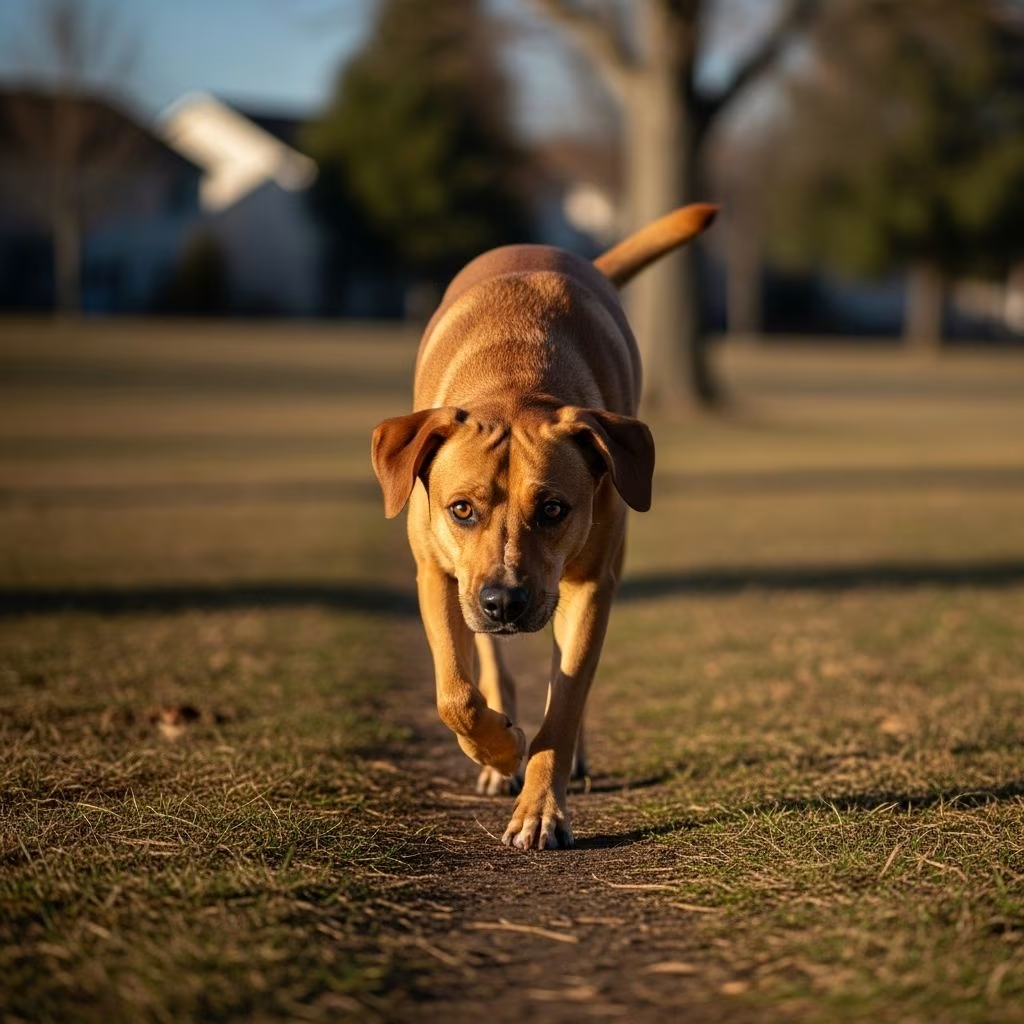
Restless pacing in dogs often signals unmet needs or underlying problems. Owners frequently notice their pets walking back and forth, unable to settle, which can disrupt daily life and indicate health concerns requiring prompt attention.
Recognizing Restless Behavior in Canines
Pacing manifests as repetitive walking in circles, along walls, or between rooms without purpose. This differs from normal movement as it persists despite opportunities to rest or play. Dogs may combine pacing with whining, panting, or staring into space, amplifying concern for owners. Tracking frequency, duration, and triggers helps pinpoint causes, whether behavioral or medical.
Everyday Triggers for Canine Restlessness
Many pacing episodes stem from routine factors. Insufficient exercise leaves high-energy breeds like Border Collies or Labs pent-up, prompting endless motion to release energy. Boredom exacerbates this in indoor dogs lacking toys or interaction. Environmental changes, such as new furniture or visitors, spark uncertainty, leading to patrol-like pacing. Seasonal heat cycles in unspayed females also drive instinctive circling to prepare nesting spots.
- Daily walks under 30 minutes for active breeds build restlessness.
- Lack of puzzle toys or training sessions fosters frustration.
- Noises like thunderstorms mimic predatory threats, heightening vigilance.
Stress and Emotional Factors
Anxiety tops behavioral causes, often from separation, loud events, or past traumas. Dogs with compulsive tendencies, akin to OCD, fixate on paths, escalating to tail-chasing or shadow boxing. Overexcitement before walks or guests mimics pacing but resolves quickly. Genetic predispositions in herding breeds amplify stress responses, making calm environments essential.
Observe body language: tucked tails, dilated pupils, or drooling alongside pacing confirm emotional distress. Calming aids like pheromone diffusers or thunder shirts provide relief without medication.
Age-Related Changes in Mobility and Mind
Senior dogs pace due to canine cognitive dysfunction (CCD), mirroring human dementia with brain cell loss causing disorientation. Nighttime pacing disrupts sleep cycles, while daytime confusion leads to aimless wandering. Arthritis stiffens joints, making lying down painful, so dogs prefer constant motion. Larger breeds suffer more from weight-bearing joint wear.
| Age Group | Common Pacing Cause | Associated Signs |
|---|---|---|
| Puppy/Young Adult | Boredom/Energy Surplus | Play bows, zoomies |
| Adult | Anxiety/Stress | Panting, whining |
| Senior (8+ years) | CCD/Arthritis | Staring, sleep changes |
Joint and Muscle Discomfort Signals
Pain from injuries, sprains, or chronic conditions like hip dysplasia forces dogs to shift weight continuously. Limping precedes full pacing, with reluctance to jump or climb stairs. Post-exercise soreness in working dogs highlights overexertion. Anti-inflammatory diets or vet-prescribed joint supplements ease symptoms, but diagnosis via X-rays ensures targeted treatment.
Internal Organ Malfunctions
Cushing’s disease floods systems with cortisol, inducing perpetual agitation and pot-bellied appearance. Liver shunts allow toxins to bypass filtration, causing neurological quirks like head-pressing and circling. Gastrointestinal blockages or bloat provoke urgent pacing with retching or swollen abdomens—emergencies demanding immediate intervention. Kidney issues alter gait through toxin buildup.
- Cushing’s: Increased thirst, hair loss, skin infections.
- Liver problems: Yellow gums, vomiting, seizures.
- GI distress: Diarrhea, appetite loss, unproductive heaving.
Brain and Nerve System Disorders
Neurological events like partial seizures manifest as trance-like pacing or circling one direction. Brain tumors compress tissue, altering behavior progressively. Infections such as vestibular disease disrupt balance, prompting compensatory steps. Epilepsy clusters with drooling and collapse post-episode.
Progression tracking is vital: isolated incidents versus daily patterns guide MRI or bloodwork needs.
Infection and Inflammation Hotspots
Ear infections itch fiercely, with dogs pawing heads and shaking violently between paces. Dental abscesses radiate jaw pain, causing drooling and reluctance to eat. Skin allergies or hot spots provoke circling to scratch. Urinary tract infections drive frequent potty attempts amid pacing.
Spotting Accompanying Warning Signs
Pacing rarely occurs alone. Pair it with these for urgency assessment:
- Heavy panting or labored breathing: Heart or lung strain.
- Vomiting/diarrhea: Toxin ingestion or obstruction.
- Lethargy or aggression shifts: Pain escalation.
- Appetite/weight fluctuations: Metabolic disease.
- House soiling lapses: Cognitive or mobility decline.
At-Home Strategies to Reduce Pacing
Enhance routines before medical checks. Increase daily exercise to 60 minutes split into walks and fetch. Mental games like treat hunts tire minds. Create quiet retreats with beds and covers for anxious spells. Routine consistency—feed, play, sleep schedules—anchors security. Desensitization training for noise phobias builds resilience.
For seniors, ramps aid joint relief, and night lights combat disorientation. Monitor with journals noting pacing times, duration, and contexts.
When to Contact a Veterinarian Urgently
Seek care if pacing lasts over 24 hours, worsens, or includes collapse, bloody stools, seizures, or breathing distress. Sudden onset in healthy dogs warrants toxin or injury checks. Seniors with new patterns need cognitive screenings. Vets use blood panels, ultrasounds, and behavior logs for diagnosis.
Diagnostic Approaches and Treatments
Exams start with history and physicals, progressing to radiographs for joints, bloodwork for organs, and neurology consults. Treatments vary: meds for Cushing’s, antibiotics for infections, behaviorists for anxiety. Surgery fixes shunts or tumors. Lifelong management like CBD oils or acupuncture supports chronic cases.
Preventive Measures for Lifelong Health
Spay/neuter curbs heat pacing. Balanced diets with glucosamine prevent arthritis. Annual senior wellness checks catch CCD early. Enrichment toys and training classes fend off boredom. Weight control lightens joint loads.
Frequently Asked Questions
Why does my dog pace at night?
Night pacing often ties to CCD in seniors, anxiety from isolation, or pain preventing sleep. Ensure bedtime routines and vet evaluations.
Is pacing always a sign of illness?
No, but persistent cases beyond boredom or stress merit checks for pain or disease.
How can I stop my anxious dog’s pacing?
Exercise, calming aids, and professional training help. Rule out medical roots first.
What breeds pace most?
Herders like Aussies and high-drive breeds, due to work instincts unmet in homes.
Does age affect pacing frequency?
Yes, puppies from energy, adults from stress, seniors from cognition and joints.
References
- Pet Health Symptoms to Never Ignore — PetPlace. 2023-05-15. https://www.petplace.com/article/dogs/pet-health/21-symptoms-you-should-never-ignore-in-your-dog
- Understanding Dog Pacing — Lola Hemp. 2024-08-20. https://lolahemp.com/blogs/dog-health/understanding-dog-pacing
- Dog Pacing Reasons — Petcube. 2023-11-10. https://petcube.com/blog/dog-pacing-reasons-they-do-it/
- Senior Dog Pacing Management — Purina. 2024-02-28. https://www.purina.com/articles/dog/senior-dog/behavior/pacing
- Dog Pacing and Circling Causes — Bully Crew CBD. 2024-06-12. https://bullycrewcbd.com/blogs/news/dog-circling-and-pacing



