

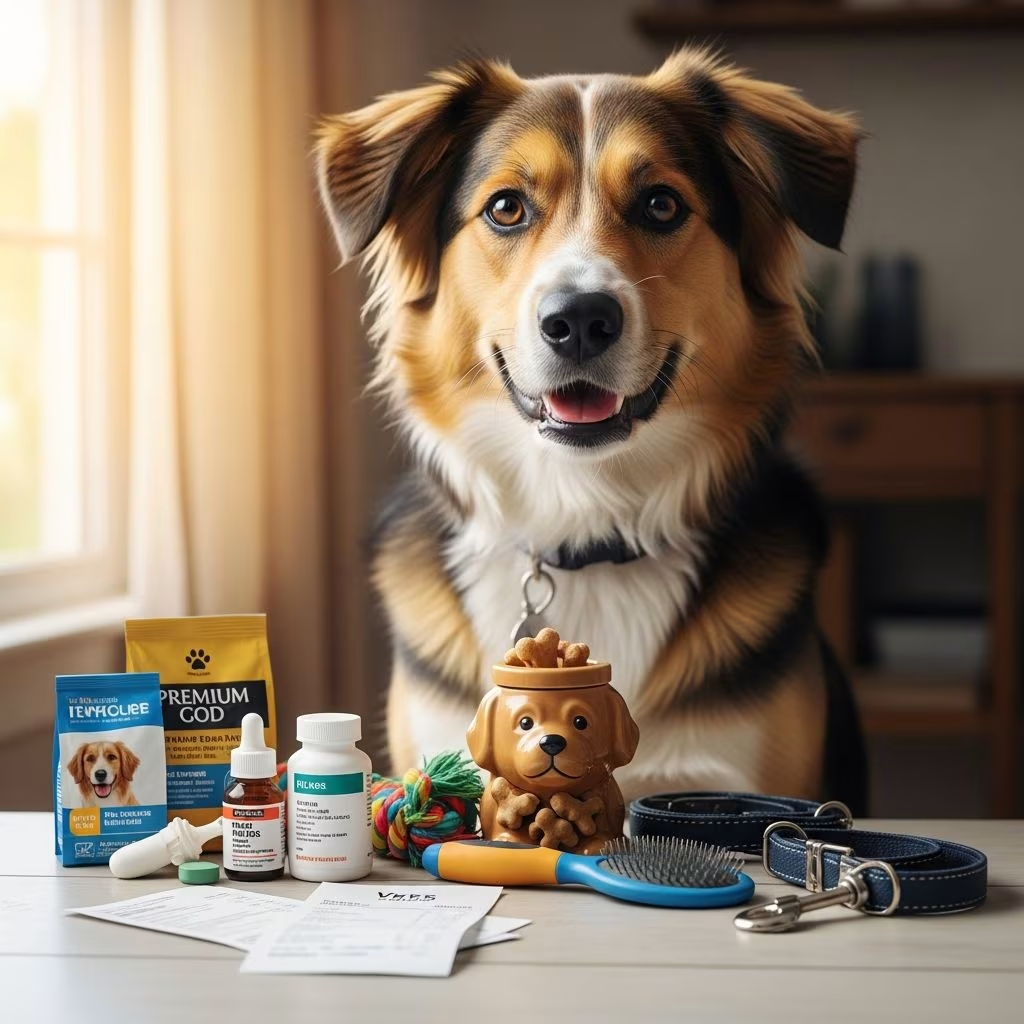
Bringing a dog into your home is a rewarding decision that comes with significant financial responsibilities. On average, dog owners spend between $1,500 and $3,000 annually, with lifetime costs ranging from $16,440 for small breeds to over $60,000 for larger ones, depending on factors like size, breed, age, and health needs. This guide provides an in-depth look at every expense category, helping you prepare a realistic budget.
Initial Expenses: Getting Your Dog Settled
The first year often carries the highest costs due to one-time purchases and puppy-specific needs. Expect to invest $300 to $2,100 upfront, covering adoption, essential gear, and initial health checks. These investments set the foundation for your dog’s comfort and well-being.
- Adoption or Purchase Fees: Shelter adoptions range from $30 to $550, often including spaying/neutering and vaccines. Breeder puppies cost $775 to $5,000 or more for purebreds.
- Spay/Neuter Surgery: $125 to $600, sometimes bundled in adoption fees.
- Initial Vet Exam and Vaccinations: $90 to $470 for exams, shots, microchipping ($15-$65), and preventatives.
- Essential Supplies: Crates ($60-$390), beds ($15-$365), collars/harnesses ($35-$85), leashes ($10-$40), bowls ($0-$65), and toys ($20-$100) total $220-$1,160.
| Item | Low End | High End |
|---|---|---|
| Adoption Fee | $30 | $550 |
| Breeder Purchase | $775 | $5,000 |
| Supplies Bundle | $220 | $1,160 |
| Initial Vet | $90 | $640 |
Puppies incur higher first-year costs ($1,520-$6,415) due to training and multiple boosters, while adults range $1,260-$4,170.
Annual Recurring Costs: Year-Round Essentials
After setup, ongoing expenses stabilize at $1,260-$4,680 yearly, varying by dog size and lifestyle. Food and health dominate, but extras like grooming add up.
Nutrition Breakdown
Dog food is the largest recurring expense: $300-$800 annually for premium kibble or special diets. Large breeds eat more, pushing costs higher, while allergies require pricier options. Treats add $20-$50. Monthly, budget $48-$174 for diet and chews.
Veterinary and Preventive Care
Routine vet visits, vaccines, and preventatives cost $150-$600 yearly. Heartworm, flea/tick meds run $80-$400, with dental hygiene $10-$600. Seniors need more ($2,555-$4,680/year). Pet insurance ($270-$4,595) offsets surprises.
Grooming, Training, and Enrichment
Grooming averages $190, training $115-$975, toys/treats $100-$300, and boarding $223. Gear like leashes and beds refreshes at $65-$715 annually.
| Category | Annual Puppy | Annual Adult | Annual Senior |
|---|---|---|---|
| Food & Treats | $300-$800 | $300-$600 | $300-$800 |
| Vet Care | $145-$240 | $75-$150 | $75-$600 |
| Preventatives | $265-$310 | $120-$420 | $270-$305 |
| Grooming/Training | $120-$290 | $115-$290 | $300-$975 |
Lifetime Financial Commitment
Over 10-15 years, small dogs cost $16,440-$29,500, mediums $29,500-$33,700, and large/giant breeds $52,075-$60,602. The American Kennel Club reports $2,500 annual averages plus $2,100 one-time, totaling substantial sums. Factor in emergencies ($631 average).
Small breeds save up to 230% yearly versus giants due to lower food/vet needs. Budgeting tools and savings accounts help manage this long-term investment.
Factors Influencing Your Dog’s Expenses
- Breed and Size: Giants eat 3x more; brachycephalic breeds face higher vet bills.
- Age: Puppies need training/vaccines; seniors require dental/joint care.
- Location: Urban areas hike grooming/vet fees; licenses add $25-$125.
- Lifestyle: Active dogs need more toys/training; travelers budget boarding.
Smart Strategies to Minimize Costs
Reduce expenses without skimping on quality: buy supplies in bulk, train at home, seek low-cost clinics, and compare insurance quotes. Shelters offer deals; generic preventatives save on meds. Track spending monthly: $77-$232 covers basics.
- Opt for adoption over breeders.
- Invest in durable gear.
- Use preventive care to avoid emergencies.
- DIY grooming for short coats.
- Shop sales for food/toys.
Unexpected Expenses and Emergency Planning
Hidden costs include emergencies ($631+), travel ($279), events ($457), and supplements ($150-$300). Build a $1,000+ emergency fund; insurance covers 70-90% of bills.
FAQs
How much does a dog cost per month?
Average $125-$250, covering food ($25-$67), health ($15-$54), and gear ($8-$25).
Are small dogs cheaper?
Yes, up to 230% less annually than large breeds due to food and supply differences.
What’s the biggest expense?
Vet care and food, often 50%+ of annual totals.
Does pet insurance pay off?
For breeds prone to issues, yes—averaging $602-$4,595 yearly premiums but saving thousands long-term.
First-year vs. ongoing costs?
First year: $1,520-$6,415; ongoing: $1,260-$4,680.
References
- How Much Does It Cost to Own a Dog? A Complete Annual Breakdown — One Fur All Pets. 2024. https://www.onefurallpets.com/blogs/news/how-much-does-it-cost-to-own-a-dog-a-complete-annual-breakdown
- How Much Does a Dog Cost? Upfront, Annual, & Monthly Expenses — Rover. 2024. https://www.rover.com/blog/cost-of-dog-parenthood/
- The True Cost of Owning a Dog or Cat — Spero Financial. 2024. https://www.spero.financial/what-is-the-true-cost-of-owning-a-dog-or-cat/
- The Cost of Owning a Dog — American Kennel Club (AKC). 2023-10-01. https://www.akc.org/press-center/articles-resources/facts-and-stats/cost-owning-dog/
- Understanding the Financial Cost of Owning a Dog or Cat — Long Branch Animal Hospital. 2024. https://longbranchanimalhospital.com/understanding-the-financial-cost-of-owning-a-dog-or-cat/
- How Much Does a Dog Cost? Breaking Down Lifetime Expenses — CareCredit. 2025. https://www.carecredit.com/well-u/pet-care/costs-of-owning-a-dog/



