Dog Overprotective: Signs, Causes & How to Fix It
Learn to spot overprotective dog behavior, understand its causes, and master training techniques for a balanced, happy companion.
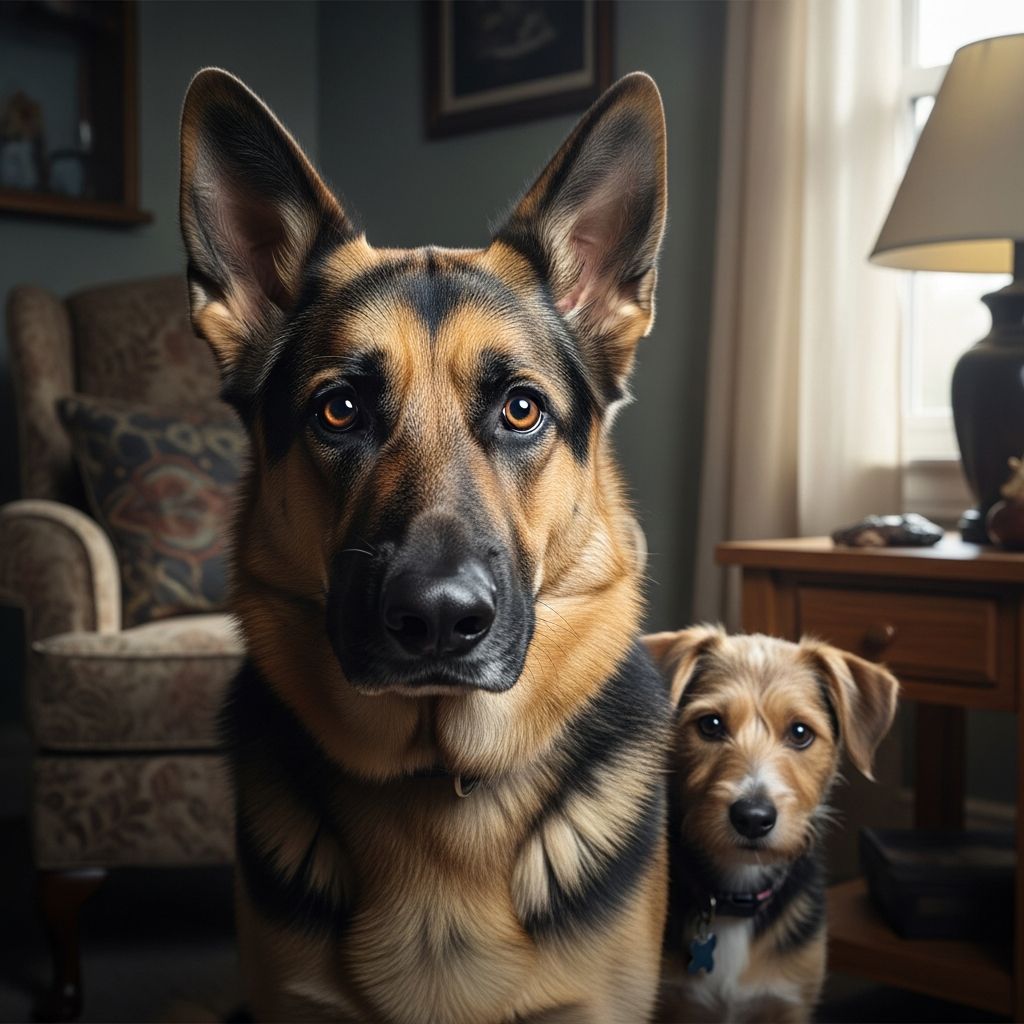
Many dog owners feel flattered when their canine companion acts protectively, positioning themselves between their human and perceived threats. However, when this instinct escalates into overprotective dog behavior, it can lead to stress, aggression, and disrupted daily life. Understanding the fine line between healthy protection and problematic overprotectiveness is crucial for fostering a safe, harmonious relationship with your pet.
This comprehensive guide breaks down the signs of an overprotective dog, explores underlying causes, and provides actionable training strategies. Whether your dog barks incessantly at visitors or shows anxiety when you’re apart, these insights will help you reclaim control and build a confident companion.
What Does It Mean When a Dog Is Overprotective?
An overprotective dog perceives everyday situations as threats, reacting with heightened vigilance or aggression to ‘safeguard’ their owner or territory. Unlike balanced protective instincts rooted in breed traits—like those in German Shepherds or Rottweilers—overprotectiveness stems from insecurity, lack of leadership, or improper socialization.
Dogs are pack animals by nature, wired to protect their ‘pack.’ When owners inadvertently reinforce anxious behaviors or fail to establish clear boundaries, the dog assumes the leadership role, leading to constant patrolling, growling, or blocking access to you. This isn’t loyalty run amok; it’s often a sign of stress where the dog feels burdened by self-imposed responsibilities.
Signs Your Dog Is Overprotective
Recognizing early indicators prevents escalation. Overprotective dogs display distinct body language and reactions that differ from playful alertness.
- Alert Barking or Growling: Immediate, intense vocalization at strangers, delivery personnel, or even familiar faces approaching you. This escalates beyond a simple ‘hello’ bark.
- Stiff Body Language: Rigid posture with raised tail, perked ears, forward-leaning stance, and intense staring. Hackles may rise, signaling readiness to confront.
- Positioning Between You and Others: The dog inserts itself physically between you and people or dogs, acting as a ‘shield’ even in low-threat scenarios like greeting guests.
- Constant Vigilance: Perpetual scanning of surroundings, inability to relax, especially in new environments or around unfamiliar stimuli.
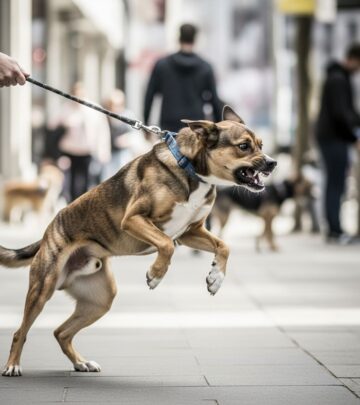
- Overreaction to New Situations: Lunging, snapping, or exaggerated responses to doorbells, passersby, or changes in routine.
These behaviors might seem endearing at first but indicate the dog views the world as perpetually dangerous, exhausting both pet and owner.
9 Key Signs of an Overprotective Dog
Building on general signs, here are nine specific red flags observed in overprotective dogs:
- Constantly redirecting focus to new people or sounds, unable to settle.
- Growling or barking at perceived threats with unwavering intensity.
- Moving back and forth between you and the ‘threat’ to assess danger.
- Adopting an overly aggressive stance: head forward, hackles up, teeth bared.
- Resource guarding: snarling over food, toys, or even your lap.
- Anxiety or destructiveness when separated from you.
- Territorial marking or urination in response to visitors.
- Aggression toward other dogs or strangers on walks.
- Failure to respond to your commands in high-stimulation situations.
Is Overprotective Behavior Dangerous?
Yes, unchecked overprotectiveness poses risks. What starts as growling can progress to biting, especially toward children, visitors, or other pets. Resource guarding you as a ‘valued asset’ mirrors food guarding and often worsens without intervention. Legally, aggressive incidents can lead to liability issues or rehoming. Emotionally, it strains the human-dog bond, as the dog remains perpetually stressed. Early action mitigates these dangers, promoting a relaxed, confident pet.
Causes of Overprotective Dog Behavior
Overprotectiveness rarely appears in isolation. Common triggers include:
- Poor Socialization: Limited exposure to diverse people, dogs, and environments during critical puppy periods (up to 16 weeks) fosters fear-based reactions.
- Lack of Leadership: Dogs stepping into the ‘alpha’ role due to inconsistent rules or owners yielding space/attention.
- Past Trauma: Abuse, attacks, or resource scarcity leading to heightened wariness.
- Breed Predisposition: Guardian breeds like Akitas or Cane Corsos may amplify instincts without proper channeling.
- Reinforcement of Bad Habits: Praising or comforting during aggressive displays inadvertently encourages them.
- Medical Factors: Pain, thyroid issues, or hormonal imbalances exacerbating aggression.
A table summarizing causes and examples:
| Cause | Examples | Impact |
|---|---|---|
| Poor Socialization | Limited puppy classes | Fear of strangers |
| No Clear Rules | Dog leads walks | Assumes control |
| Trauma | Prior bite incident | Hyper-vigilance |
| Breed Traits | Guardian breeds | Intensified instincts |
How to Train an Overprotective Dog
Training transforms overprotective tendencies into controlled responses. Focus on leadership, desensitization, and positive reinforcement.
Step 1: Establish Yourself as Leader
Dogs relax when they trust your guidance. Enter doors first, eat before them, and control resources. Use calm-assertive energy—no yelling.
Step 2: Desensitization and Counter-Conditioning
Gradually expose your dog to triggers (e.g., strangers) at low intensity, rewarding calm behavior with treats/praise. Pair doorbell sounds with rewards to rewire associations.
Step 3: Obedience Commands
- ‘Place’ or ‘Bed’: Teach settling on a mat during visits.
- ‘Leave It’: Redirect from staring/growling.
- ‘Focus’: Eye contact on command to break fixation.
Step 4: Socialization Exercises
Controlled puppy playdates or walks in varied settings. Start leashed, progress to off-leash with supervision.
Step 5: Manage Triggers
Use baby gates during guests’ arrival. Exercise daily to reduce pent-up energy fueling reactivity.
Consistency is key—expect 4-6 weeks for noticeable change with daily 15-minute sessions.
Professional Help for Overprotective Dogs
If aggression persists or involves biting, consult a certified trainer or veterinary behaviorist. Avoid punishment, which heightens fear. Tools like muzzle training ensure safety during rehab. Rule out medical issues via vet exam first.
Frequently Asked Questions (FAQs)
Is it bad if my dog is overly protective of me?
Yes, it creates stress and risks aggression. Address it to prevent escalation and improve quality of life for both.
Can all dogs be trained out of overprotectiveness?
Most yes, with consistent effort. Severe cases may need lifelong management.
Why does my dog growl at guests?
Often resource guarding (you) or fear. Train desensitization to rebuild confidence.
How do I stop doorbell reactivity?
Desensitize by playing recordings at low volume, rewarding calm. Practice ‘place’ command.
Are certain breeds more overprotective?
Guardian breeds like shepherds yes, but any dog can develop it without proper training.
Preventing Overprotective Behavior in Puppies
Start early: Enroll in puppy classes by 8 weeks. Expose to 100+ positive experiences monthly. Teach bite inhibition and boundaries from day one.
In summary, overprotective dogs thrive with structure, socialization, and compassionate leadership. Turn potential liability into a loyal guardian.
References
- Signs Your Dog Is Protecting You and When It’s Too Much — Haven Dog Training. 2023. https://havendogtraining.com/blog/signs-your-dog-is-protecting-you-and-when-its-too-much
- Signs Your Dog is Protecting You and When It’s Too Much — Chill Paws. 2023. https://www.chillpaws.com/blogs/news/signs-your-dog-is-protecting-you-and-when-it-s-too-much
- How to Deal With Overprotective Dog Training Help — The Online Dog Trainer. 2023. https://theonlinedogtrainer.com/how-to-deal-with-overprotective-dog-training-help/
- How To Deal With Overprotective Dogs — Time For Paws. 2023. https://www.timeforpaws.co.uk/blogs/articles/how-to-deal-with-overprotective-dogs
- Is My Dog Protecting Me or Is He Scared? — Animal Behavior College. 2023. https://www.animalbehaviorcollege.com/blog/lifestyle/is-my-dog-protecting-me-or-is-he-scared/
- Dominance Aggression in Dogs — WagWalking. 2023. https://wagwalking.com/condition/dominance-aggression
Similar Articles






Read full bio of Sneha Tete