

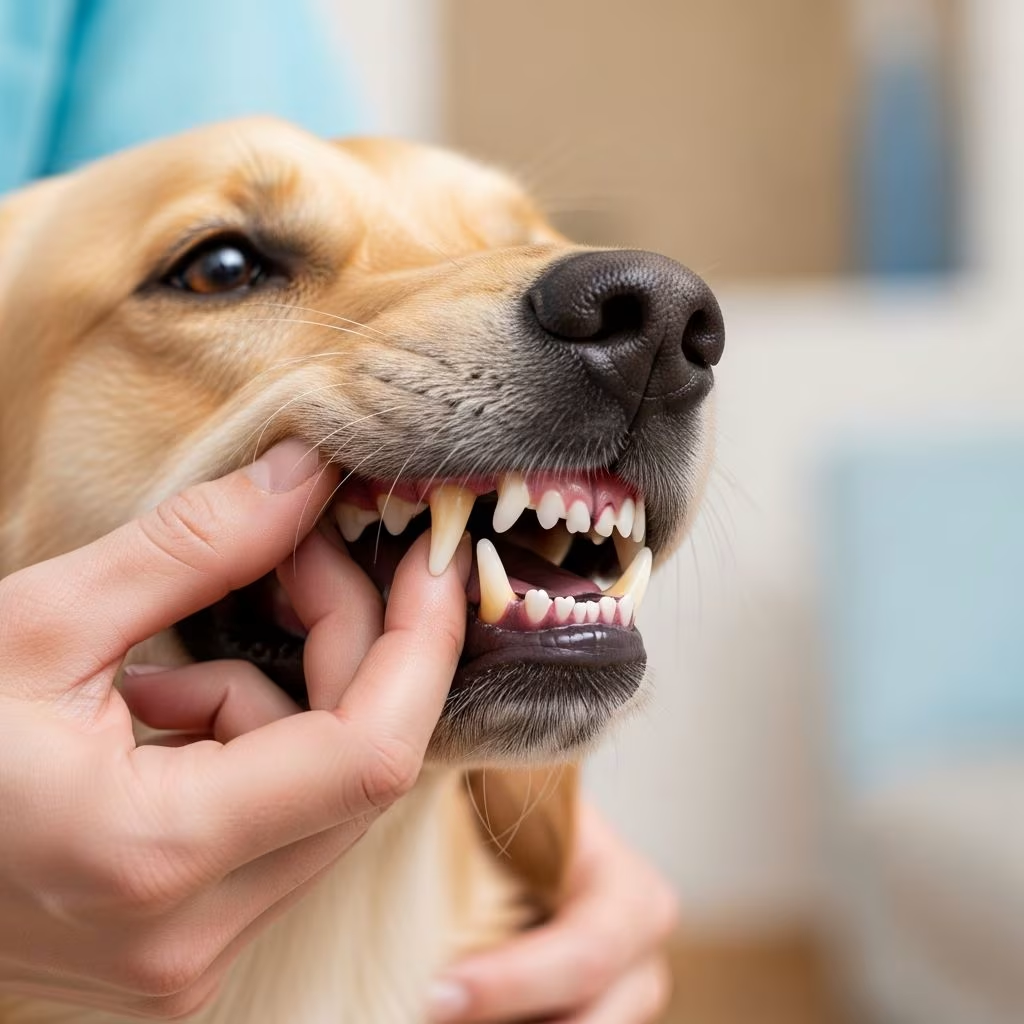
Your dog’s oral health is a critical component of their overall wellbeing, yet many pet owners overlook the importance of examining their dog’s gums regularly. The mouth serves as a gateway to systemic health, and changes in gum appearance and condition can reveal underlying health issues that extend far beyond dental concerns. Understanding what constitutes healthy gums versus unhealthy gums empowers you to catch problems early and seek appropriate veterinary care before serious complications develop.
What Healthy Dog Gums Look Like
Healthy gums provide the foundation for strong teeth and proper oral function. When examining your dog’s mouth, look for specific characteristics that indicate good gum health. The most obvious sign of healthy gums is their color—they should display a light pink hue, similar to the color of a healthy human gum. This light pink coloration indicates adequate blood flow and proper oxygenation of the gum tissues.
Beyond color, healthy gums should feel firm and fit snugly around each tooth. They should not appear swollen or puffy, and the gumline should form a tight seal where it contacts the tooth surface. A simple test called the capillary refill time can help assess gum health. When you gently press on the gum with your finger and release, the pink color should return within two seconds, which indicates good circulation.
The texture of healthy gums should be smooth but slightly stippled, resembling the appearance of an orange peel. Your dog’s mouth should have a mild, pleasant odor—not sweet, metallic, or offensive. When your dog chews or plays with toys, there should be no bleeding or excessive drooling. Additionally, healthy teeth should be their natural color without brown or yellow discoloration.
The Progression of Gum Disease in Dogs
Gum disease in dogs develops through distinct stages, each representing increasing severity. Understanding this progression helps you recognize problems at their earliest, most treatable phase. The disease typically begins when food particles and bacteria accumulate along the gumline and harden into plaque and tartar. This initial stage, called gingivitis, involves inflammation and irritation of the gums where they contact the tooth.
As the disease progresses into its second stage, the attachment between teeth and gums begins to break down. The inflammation intensifies during stage three, and by stage four, advanced periodontal disease develops with significant gum tissue recession and loss of up to fifty percent of the attachment between teeth and gums. Tooth roots can become exposed, leading to increased sensitivity and pain.
What makes periodontal disease particularly dangerous is that it often progresses silently without obvious signs until it reaches advanced stages. This silent nature means that by the time you notice symptoms, substantial damage may have already occurred. Regular dental examinations by your veterinarian are essential for catching the disease early.
Recognizing Warning Signs of Unhealthy Gums
Several distinct indicators signal that your dog’s gums require veterinary attention. One of the most common early signs is bleeding gums, which occurs when you brush your dog’s teeth or when they eat hard foods. This bleeding indicates active inflammation and damage to the gum tissue.
Visual changes in gum appearance provide important clues about your dog’s oral health status. Gums that appear red or inflamed, particularly along the gumline, represent a classic sign of gingivitis. The redness indicates that blood vessels in the gum tissue are dilated due to inflammation. In some cases, the gums may thicken or appear swollen rather than maintaining their normal firm contour.
Another warning sign is gum recession, where the gums surrounding a tooth lose their bony attachment and begin receding toward the tooth root. This recession can eventually lead to tooth root exposure, which creates openings for bacterial infection and additional complications. Some dogs develop visible gaps between the gum and tooth surface that weren’t previously present.
Behavioral and Systemic Indicators of Oral Disease
Beyond visible gum changes, your dog’s behavior and overall health can reveal oral problems. Bad breath, also called halitosis, is one of the most frequently noticed signs of gum disease. While puppies and dogs naturally have mild breath odor, a sudden change to foul-smelling breath indicates a shift in the oral microbiome, often caused by plaque and tartar accumulation. The metabolic byproducts of bacteria, known as volatile sulfur compounds, create this distinctive odor.
Behavioral changes often accompany oral disease because mouth pain affects how dogs eat, play, and interact. Your dog may begin favoring one side of the mouth when chewing, avoiding food or toys that require vigorous chewing, or dropping food from their mouth while eating. Some dogs eat more rapidly to minimize the time food spends touching painful gums.
You might notice your dog becoming irritable or displaying a subdued personality. Chronic pain from advanced gum disease can cause significant personality changes, as dogs instinctively hide signs of weakness and suffering. Some dogs experience reduced appetite or weight loss due to the discomfort of eating. Excessive drooling, sometimes with a bloody or ropey appearance, may also become apparent.
Physical Changes Associated with Advanced Disease
As gum disease progresses, more dramatic physical changes become visible. Tooth discoloration, where teeth turn brown or yellow, indicates advanced plaque and tartar accumulation. Loose or missing teeth represent a serious sign that periodontal disease has caused significant damage to the structures supporting the teeth.
In severe cases, tooth root abscesses can develop, causing swelling or drainage from the cheek surface of the mouth. The classic signs of tooth root infection are fluctuant swelling and pain just below the eye, appearing on the outer surface of the cheek. Blood in the water bowl or on chew toys indicates significant gum bleeding that requires immediate attention.
Understanding Abnormal Gum Colors
While light pink gums indicate health, other gum colors signal various health concerns that may or may not be related to dental disease. Pale pink to white gums can indicate anemia, shock, poor circulation, or heart disease—conditions requiring urgent veterinary evaluation. Bright red or cherry red gums typically signal toxin ingestion, heatstroke, carbon monoxide poisoning, or severe high blood pressure.
Yellow gums, also called icteric or jaundiced gums, suggest immune-mediated anemia or liver issues, though they can also occur as a normal side effect of blood transfusions. Gray, blue, or purple-tinged gums often indicate poor circulation or decreased oxygenation, commonly seen with heart disease, severe hypothermia, low blood pressure, or respiratory diseases.
Some gum discoloration, such as brown or black spots, may be normal in certain dog breeds and require no intervention. However, if your dog develops new spots that are unusual for their breed, or if these spots are associated with growths on the gums, they may indicate cancerous or viral issues requiring professional evaluation.
Systemic Health Implications of Periodontal Disease
The effects of periodontal disease extend well beyond the mouth. When bacteria from infected gums enter the bloodstream, they can attach to arteries surrounding the heart and cause heart disease. This connection between oral health and systemic health makes dental disease a serious concern affecting your dog’s longevity and quality of life. Regular dental care and gum health maintenance serve as preventive measures for these serious complications.
Taking Action: When to Seek Veterinary Care
If you observe any of the warning signs discussed, schedule a veterinary appointment promptly. Early intervention in gum disease prevents progression and saves teeth. Your veterinarian can assess the extent of disease, perform professional cleaning if needed, and recommend at-home care strategies.
Regular home care, including brushing your dog’s teeth with a dog-specific toothbrush and toothpaste, helps promote healthy gums and prevent plaque accumulation. Consistent dental care combined with professional veterinary oversight provides the best approach to maintaining your dog’s oral health throughout their life.
References
- Gingivitis and Stomatitis in Dogs — VCA Animal Hospitals. 2024. https://vcahospitals.com/know-your-pet/gingivitis-and-stomatitis-in-dogs
- Periodontal Disease in Dogs: Symptoms, Causes & Treatment — Lake Cross Veterinary Hospital. 2020. https://www.lakecross.com/site/blog-huntersville-vet/2020/07/22/periodontal-disease-dogs-symptoms-treatment
- Periodontal Disease in Dogs: Symptoms, Causes & Treatment — Guilford-Jamestown Veterinary Hospital. 2020. https://www.guilfordjamestownvet.com/site/blog-greensboro-vet/2020/08/13/periodontal-disease-dogs-symptoms-causes-treatment
- Dog Gum Colors and What They Mean — PetMD. 2024. https://www.petmd.com/dog/general-health/dog-gum-colors-and-what-they-mean
- What the Color of Your Dog’s Gums Says About Their Health — Montana Pet Dentist. 2024. https://montanapetdentist.com/dog-gum-color-and-oral-health/
- Top 10 Signs Your Pet May Have Periodontal Disease — Adamson Veterinary Services. 2024. https://adamsonveterinaryservices.com/top-10-signs-your-pet-may-have-periodontal-disease/



