

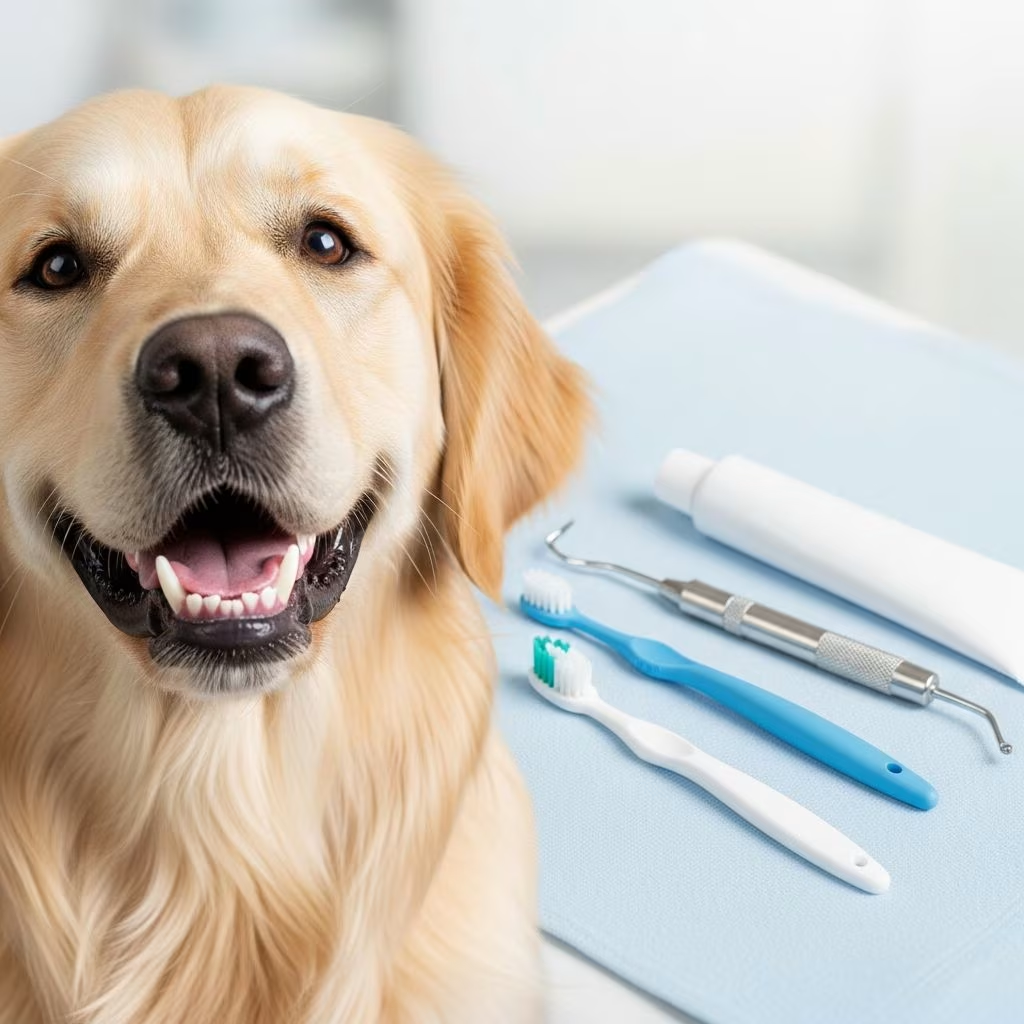
A dog’s oral health extends far beyond maintaining an attractive smile. The condition of your dog’s teeth and gums directly influences their ability to eat comfortably, prevents painful infections, and contributes to overall systemic health. Many dog owners underestimate the importance of dental care, yet dental disease represents one of the most prevalent health issues affecting dogs today. Understanding the foundation of canine oral health and implementing a comprehensive care strategy can significantly enhance your pet’s quality of life and potentially add years to their lifespan.
Understanding Canine Dental Disease and Its Consequences
Dogs face numerous oral health challenges throughout their lives, including cavities, enamel erosion, tooth fractures, and periodontal disease. Unlike humans, dogs cannot communicate tooth pain effectively, meaning dental problems often progress silently until they become severe. Plaque and tartar accumulation on the tooth surface creates an environment where harmful bacteria thrive, potentially leading to gum inflammation, bone loss, and eventually tooth loss if left untreated.
The consequences of neglected dental care extend beyond the mouth. Bacteria from infected teeth and gums can enter the bloodstream, potentially affecting the heart, kidneys, and liver. This systemic connection makes oral hygiene not merely a cosmetic concern but a critical component of your dog’s overall health management. Early intervention and consistent preventive care represent the most effective approach to avoiding these serious complications.
Establishing a Daily Dental Hygiene Routine
The foundation of excellent canine oral health begins at home with consistent, daily dental care practices. Pet owners should understand that brushing your dog’s teeth represents the single most effective intervention available between professional veterinary cleanings. This simple act removes plaque before it mineralizes into tartar, maintains healthy gum tissue, and significantly reduces the need for invasive dental procedures later in life.
Selecting Appropriate Dental Products
Choosing the right tools and products represents the first step toward successful at-home dental care. Never use human toothpaste on dogs, as it contains ingredients that can upset their digestive system and fluoride levels inappropriate for canine consumption. Instead, select a dog-specific toothpaste formulated to be safe if swallowed and available in flavors that appeal to your pet, such as beef, chicken, or peanut butter.
For brushing implements, consider several options designed specifically for canine use. Soft-bristled toothbrushes work effectively and allow you to reach all tooth surfaces, while finger brushes offer increased control and a more comfortable experience for dogs still acclimating to dental care. Dual-headed toothbrushes designed at specific angles can facilitate easier access to back molars where dental disease most commonly develops.
Mastering the Brushing Technique
Proper brushing technique ensures maximum plaque removal while minimizing discomfort and stress for your dog. Begin by applying a small amount of toothpaste to your chosen brush. Gently lift your dog’s lips to expose the teeth, starting with the front incisors and gradually progressing toward the back molars. Use gentle circular motions, maintaining your focus on the gum line where plaque accumulates most rapidly.
While brushing both outer and inner tooth surfaces provides comprehensive cleaning, the outer surfaces require the most attention since this area experiences greater plaque buildup. Most dogs tolerate this routine well when introduced gradually with positive reinforcement. Experts recommend that owners aim to eventually reach the back teeth, as these molars are most susceptible to dental disease.
Consistency matters more than duration. Daily brushing provides optimal results, though several sessions per week can produce meaningful improvements in oral health. Establishing this routine as part of your morning or evening schedule helps ensure you maintain the frequency necessary for preventing plaque accumulation.
Supplementary At-Home Dental Care Strategies
While tooth brushing forms the cornerstone of home dental care, additional strategies complement this routine and enhance overall oral health maintenance between professional cleanings.
Dental Water Additives and Oral Health Products
Dental water additives represent a convenient supplementary tool that reduces bacterial populations in your dog’s mouth without requiring additional handling or brushing time. These products are added directly to your dog’s water bowl and work continuously throughout the day to inhibit bacterial growth and reduce plaque formation. Many pet owners find these additives particularly useful for dogs resistant to brushing or as an additional protective measure for dogs with a history of dental problems.
Dental Treats and Chewing Activities
Specially formulated dental treats and appropriate chewing activities provide passive oral cleansing benefits while offering mental stimulation and enjoyment. These products mechanically clean tooth surfaces as your dog chews, helping dislodge plaque and massage the gums. When selecting dental treats, ensure they are formulated specifically for oral health and appropriate for your dog’s size and chewing habits.
Dietary Considerations
A dog’s diet influences oral health outcomes. Some research suggests that dry kibble provides more mechanical cleaning action than wet foods, though this depends on kibble size, texture, and individual chewing habits. Discuss dietary modifications with your veterinarian, as any changes should consider your dog’s overall nutritional needs and existing health conditions.
Professional Dental Evaluations and Cleanings
While at-home care forms the foundation of oral health, professional veterinary interventions remain essential for identifying and addressing problems beyond the scope of home treatment.
Routine Veterinary Dental Examinations
Your veterinarian should perform a thorough oral examination at least annually, with more frequent assessments recommended for older dogs or those with existing dental disease. During these conscious evaluations, your veterinarian visually assesses your dog’s teeth and gums, identifying early signs of gingivitis, calculus buildup, and other oral pathology. These early assessments help guide recommendations for preventive care and determine the timing of professional cleanings.
Regular check-ups enable early detection of subtle changes in oral health, preventing minor issues from escalating into serious problems requiring extraction or complex restorative procedures. Veterinarians also provide individualized guidance on brushing techniques, product recommendations, and dietary adjustments tailored to your specific dog’s needs and risk factors.
Professional Cleaning Procedures
Professional dental cleanings involve a multi-step process that addresses problems inaccessible to at-home care. These procedures require anesthesia to ensure thorough cleaning, radiographic imaging, and any necessary extractions or treatments can be completed safely and completely. The professional cleaning process typically includes several essential components:
- Full oral examination and comprehensive dental charting to document existing conditions
- Anesthetized intraoral radiography to visualize tooth roots, bone levels, and problems beneath the gum line
- Scaling of teeth both above and below the gum line using ultrasonic scalers and manual instruments to remove plaque and tartar
- Crown polishing using low-speed equipment and appropriate polishing compounds to remove microabrasions and smooth the tooth surface
- Application of protective sealants to reduce plaque accumulation and protect enamel
- Fluoride treatments to strengthen enamel and provide additional protection against decay
During professional cleanings, your veterinarian can identify and address dental radiograph findings, such as impacted teeth, root fractures, or bone loss, which may require extraction or other interventions.
Understanding Dental Radiography and Diagnostics
Dental X-rays provide critical diagnostic information that visual examination alone cannot reveal. Dogs possess 42 permanent teeth, with complex root structures beneath the gum line. Radiographic imaging allows your veterinarian to assess tooth roots, evaluate bone levels, identify hidden infections, and detect developmental abnormalities or trauma that might otherwise go unnoticed.
Modern intraoral radiography systems provide detailed images of individual tooth roots and surrounding bone, enabling precise diagnosis and treatment planning. These radiographs prove invaluable for determining whether teeth can be salvaged or require extraction, and for identifying teeth that appear normal externally but may have serious internal pathology.
Advanced Dental Procedures and Interventions
Beyond routine cleanings, veterinary dentistry offers specialized procedures to address complex oral health problems. These may include root canal therapy to save infected teeth, extractions for severely diseased or fractured teeth, and orthodontic treatments for malocclusions affecting eating or comfort.
While more advanced procedures involve higher costs and recovery considerations, they often prove worthwhile when they preserve tooth function and eliminate sources of chronic pain or infection. Discuss with your veterinarian which interventions are appropriate for your dog’s specific situation.
Managing Specific Dental Conditions
Addressing Bad Breath
Persistent bad breath frequently indicates underlying dental disease rather than representing a normal condition. While some breeds are predisposed to oral odor, particularly malodorous breath typically signals plaque accumulation, gum disease, or oral infection. Implementing aggressive at-home brushing and scheduling professional cleanings often eliminates halitosis by addressing the underlying bacterial infection.
Preventing Tooth Fractures
Dogs can fracture teeth through trauma, aggressive chewing on hard objects, or playing with appropriate toys. Monitoring your dog’s chewing habits and avoiding excessively hard toys, bones, and antlers can reduce fracture risk. Fractured teeth require professional evaluation, as some fractures expose the dental pulp and cause chronic pain or infection.
Frequently Asked Questions About Canine Dental Care
How often should I brush my dog’s teeth?
Daily brushing provides optimal results for preventing plaque accumulation. However, brushing several times weekly can still produce significant benefits if daily brushing is not feasible. The key is consistency rather than sporadic intensive efforts.
At what age should I start dental care for my puppy?
Begin establishing dental care habits early, ideally during puppyhood. Starting brushing when your puppy is young helps them become accustomed to the routine and prevents early plaque accumulation. Your veterinarian can guide age-specific recommendations.
Is anesthesia necessary for professional dog dental cleaning?
Yes, anesthesia is essential for thorough professional cleaning, radiographic imaging, and any necessary extractions. It allows your veterinarian to complete the procedure safely and completely without causing distress to your dog. Modern anesthetic protocols are considered safe for most dogs when administered by experienced professionals.
Can dental disease affect my dog’s overall health?
Absolutely. Bacteria from infected teeth and gums can enter the bloodstream and affect the heart, kidneys, and liver. Addressing dental disease represents an important component of comprehensive preventive health care.
What signs indicate my dog needs dental attention?
Common indicators include persistent bad breath, difficulty chewing, swollen or bleeding gums, loose teeth, and behavioral changes suggesting oral discomfort. Any of these signs warrant prompt veterinary evaluation.
Developing a Long-Term Dental Health Strategy
Maintaining your dog’s oral health throughout their lifetime requires consistent effort and veterinary partnership. Establish a realistic daily brushing routine that fits your lifestyle, supplemented with regular veterinary examinations and professional cleanings as recommended by your veterinarian. This proactive approach minimizes the need for complex treatments, reduces your dog’s pain and discomfort, and supports their overall health and longevity.
Remember that every dog is unique, and dental health recommendations should be tailored to your individual dog’s age, breed, existing health conditions, and risk factors. Work closely with your veterinarian to develop a personalized dental care plan that keeps your dog’s teeth healthy and their smile bright throughout their life.
References
- Caring for Your Dog’s Teeth: A Complete Guide — Lange Animal Hospital. 2024. https://langeanimalhospital.com/caring-for-your-dogs-teeth-a-complete-guide/
- From Cleaning to Surgery: A Guide to Pet Dental Procedures — Houston Pet Dentals. 2024. https://houstonpetdentals.com/blog/pet-dental-procedures/
- 2019 AAHA Dental Care Guidelines for Dogs and Cats: Essential Steps — American Animal Hospital Association. 2019. https://www.aaha.org/resources/2019-aaha-dental-care-guidelines-for-dogs-and-cats/essential-steps/
- The Ultimate Dog Dental Guide: Nurturing Your Canine’s Canines — Aurora Veterinary Clinic. 2024. https://www.auroravet.com/services/blog/ultimate-dog-dental-guide-nurturing-your-canines-canines
- Pet Dental Care — American Veterinary Medical Association. 2024. https://www.avma.org/resources-tools/pet-owners/petcare/pet-dental-care



