

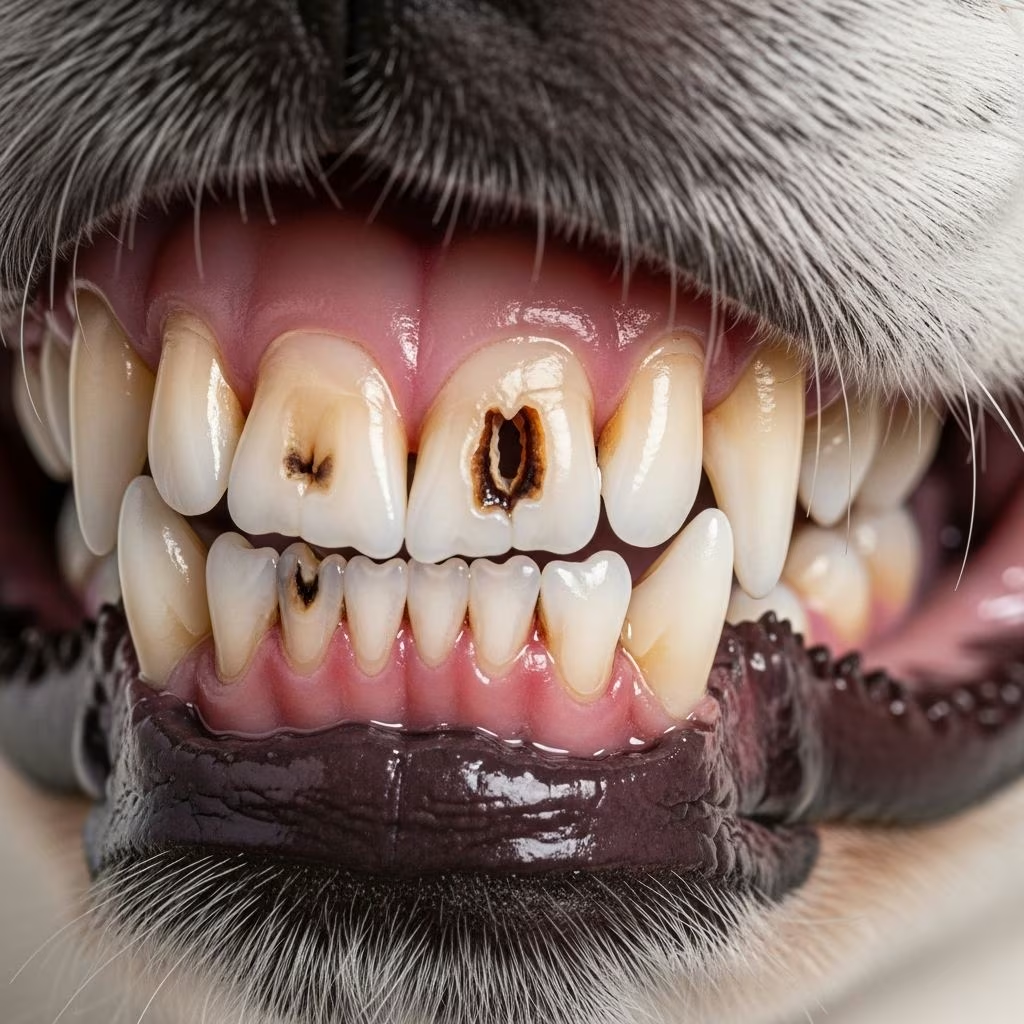
A hole or cavity in your dog’s mouth can develop for various reasons, ranging from simple tooth decay to more complex conditions involving the structures that separate the mouth from the nasal passages. Understanding what causes these oral problems, recognizing the warning signs, and knowing when to seek veterinary care are essential aspects of responsible pet ownership. This guide explores the different types of oral holes that affect dogs, their underlying causes, and the treatment options available to restore your dog’s oral health and comfort.
What Are Oral Holes in Dogs?
Dental holes in dogs can manifest in two primary forms: cavities (dental caries) and oronasal fistulas. While both create openings in the mouth, they develop through different mechanisms and require distinct treatment approaches. Understanding the difference between these conditions helps pet owners recognize symptoms and seek appropriate veterinary intervention promptly.
A cavity is a hole that forms within a tooth’s enamel and underlying structure due to decay. Oronasal fistulas, by contrast, are abnormal passages that form between the oral cavity and the nasal passages, typically through bone erosion in the roof of the mouth. Both conditions cause discomfort and can lead to serious complications if left untreated.
Dental Cavities in Dogs: Formation and Progression
Unlike humans, cavities in dogs are relatively uncommon but can develop when proper oral hygiene is neglected. When acidic plaque accumulates on teeth and remains uncleaned for extended periods, it can erode the tooth’s protective enamel, creating small or large holes through the tooth structure.
Risk Factors That Increase Cavity Development
- Inadequate dental cleaning routines and lack of professional cleanings
- High-carbohydrate diets, particularly those containing fermentable carbohydrates found in low-quality dog food or table scraps
- Weaker-than-normal tooth enamel from poor mineralization during development
- Low saliva pH levels, which reduce the mouth’s natural protective mechanisms
- Crowded or misaligned teeth that trap food and bacteria
- Gaps between teeth and gums resulting from gum recession
- Underlying health conditions that compromise immune function
Oronasal Fistulas: Understanding This Complex Condition
An oronasal fistula represents a more serious oral condition than a simple cavity. This abnormal passageway forms between the mouth and nasal cavity, disrupting the protective barrier that normally keeps these two systems separate. The palatine bone, which naturally separates these cavities, becomes eroded or damaged, creating an opening through which food, fluids, bacteria, and air can travel.
Primary Causes of Oronasal Fistulas
Periodontal Disease: The most prevalent cause of oronasal fistulas involves advanced gum and bone deterioration surrounding the teeth. Untreated periodontal disease progressively weakens and erodes the supporting tissues, particularly around the upper canine teeth, eventually creating an opening into the nasal passages.
Tooth Extraction Complications: When teeth are extracted, especially from areas already weakened by dental disease, extraction sites may fail to heal properly. This improper healing can result in a persistent communication between the mouth and nasal cavity.
Traumatic Injuries: Accidents, bite wounds, or facial injuries can directly damage the bone and soft tissue that separate these cavities. High-impact trauma such as being hit by a vehicle or severe bite wounds from other animals may create immediate or delayed fistula formation.
Foreign Object Penetration: Penetrating injuries from sticks, bones, or other foreign objects can perforate the roof of the mouth and create pathways to the nasal passages.
Oral Tumors: Cancerous or benign growths within the mouth can erode surrounding bone and tissue, destroying the barrier between oral and nasal cavities.
Congenital Defects: Some dogs are born with cleft palates or other developmental abnormalities that create openings between these spaces from birth, requiring early intervention.
Recognizing Symptoms: What to Watch For
Common Signs of Dental Cavities
Dogs with developing cavities often display behavioral and physical changes that indicate oral discomfort:
- Abnormal chewing patterns, including favoring one side of the mouth
- Excessive drooling or dropping food while eating
- Visible tooth discoloration or darkening of affected teeth
- Noticeable tartar buildup on tooth surfaces
- Bleeding or raw areas within the mouth
- Persistent bad breath that doesn’t improve with normal cleaning
- Reduced appetite or complete refusal to eat hard foods
- Visible swelling or tenderness around the mouth and jaw area
Indicators of Oronasal Fistula
Oronasal fistulas often develop gradually, and symptoms may initially resemble upper respiratory infections. Pet owners should monitor for these specific signs:
- Frequent or chronic sneezing, particularly after eating or drinking
- Nasal discharge from one or both nostrils, which may be clear, cloudy, or blood-tinged
- Unpleasant breath odor (halitosis) that persists despite oral hygiene efforts
- Difficulty eating or dropping food from the mouth during meals
- Reverse sneezing or repetitive coughing episodes
- Pawing at the face or signs of facial discomfort
- Visible signs of dental disease such as loose or swollen gums
- Frequent nosebleeds or bloody nasal discharge
- Chronic nasal or respiratory infections that don’t respond to typical treatment
Early Warning Signs Not to Ignore
Early detection significantly improves treatment outcomes and prevents complications. Watch for subtle changes such as increased sneezing after meals, nasal discharge containing food particles, or sudden aversion to chewing toys. These seemingly minor symptoms often indicate developing dental disease or early fistula formation. Pet owners should not dismiss these signs as minor inconveniences; they warrant prompt veterinary evaluation.
How Veterinarians Diagnose Oral Holes
Diagnosing cavities and oronasal fistulas requires more than a casual examination. Many fistulas are not visible during routine office visits and can only be detected through thorough dental evaluation performed under anesthesia. Veterinarians use specialized instruments and imaging techniques to identify the location and extent of oral pathology.
During examination, veterinarians assess tooth integrity, gum health, bone density, and the presence of abnormal passages. Dental radiographs provide detailed images of tooth roots and underlying bone structure, revealing damage not visible to the naked eye. Probing techniques help identify fistulas and measure their depth and extent.
Treatment Approaches for Oral Cavities
Treatment for cavities depends on their severity and location. Small cavities may be treated with professional cleaning and restoration using veterinary-grade materials. More advanced decay requiring tooth extraction may be necessary to prevent progression and eliminate pain. Extracted teeth should be removed completely, as retained root fragments can lead to infection and fistula formation.
Following treatment, prevention becomes paramount. Implementing a home dental care routine, providing appropriate chewing surfaces, and scheduling regular professional cleanings help prevent recurrence.
Surgical Management of Oronasal Fistulas
Oronasal fistulas typically require surgical intervention. The specific surgical approach depends on the fistula’s location, size, and underlying cause. Veterinary surgeons may perform extractions of diseased teeth, clean the surgical site, and repair the tissue barrier separating the mouth and nasal passages. Some repairs involve bone grafting or specialized flap procedures to restore anatomical separation.
Post-operative care is critical for successful healing. Dogs require restricted activity, soft food diets, and careful monitoring during recovery. Antibiotics may be prescribed to prevent infection during the healing period.
Prevention Strategies for Optimal Oral Health
Daily Home Care Practices
| Prevention Method | Frequency | Benefits |
|---|---|---|
| Tooth brushing | Daily or several times weekly | Removes plaque before it hardens into tartar |
| Dental chews | Daily | Mechanically removes plaque and stimulates gums |
| Professional cleanings | Annually or as recommended | Removes tartar buildup and identifies early disease |
| Appropriate diet | Continuous | Reduces fermentable carbohydrates and supports oral health |
Establishing a comprehensive oral hygiene routine protects your dog from developing cavities and fistulas. Daily tooth brushing with canine-specific toothpaste removes plaque before it mineralizes into tartar. Providing appropriate chewing toys and dental treats supports mechanical cleaning throughout the day.
Nutritional choices significantly impact oral health. Select high-quality dog food with appropriate carbohydrate levels and avoid table scraps high in fermentable sugars. Ensure your dog receives adequate minerals and vitamins necessary for strong tooth enamel development.
Professional Monitoring
Regular veterinary dental examinations identify problems before they progress to severe conditions. Professional cleanings remove tartar that home care cannot address. Your veterinarian can assess your dog’s individual risk factors and recommend customized prevention strategies.
Frequently Asked Questions About Oral Holes in Dogs
Can cavities in dogs be prevented entirely?
While cavities in dogs are less common than in humans due to differences in saliva composition and diet, they can be prevented through consistent oral hygiene, appropriate nutrition, and regular professional care. Some dogs may have higher genetic predisposition to dental disease, making prevention even more important.
What happens if an oronasal fistula goes untreated?
Untreated fistulas lead to chronic infections, persistent nasal discharge, respiratory complications, and significant discomfort. The opening may enlarge over time, worsening symptoms and potentially requiring more extensive surgical repair.
Is surgical repair of an oronasal fistula always successful?
Most surgically repaired fistulas heal successfully with proper post-operative care. Success depends on factors including the fistula’s size, underlying cause, and the quality of surgical repair. Following veterinary instructions during recovery is essential for optimal healing.
How long does recovery take after fistula surgery?
Recovery typically requires two to four weeks of restricted activity and special care. Complete tissue healing continues for several months. Your veterinarian will provide specific guidance based on your dog’s surgical procedure and individual healing progress.
Should all dogs receive professional dental cleanings?
Most dogs benefit from professional dental cleanings based on veterinary assessment. Your veterinarian can determine the appropriate frequency for your dog based on breed, age, and individual risk factors for dental disease.
When to Seek Immediate Veterinary Care
Contact your veterinarian promptly if your dog exhibits signs of oral disease or develops symptoms suggesting a fistula. Schedule urgent care if your dog shows signs of oral pain, difficulty swallowing, facial swelling, or persistent bleeding from the mouth. Early intervention prevents complications and improves treatment outcomes significantly.
Supporting Your Dog’s Dental Health Long-Term
Maintaining your dog’s oral health requires ongoing commitment to prevention and professional care. Establish a home care routine that fits your lifestyle, monitor for early warning signs, and maintain regular veterinary dental examinations. By taking proactive steps to protect your dog’s teeth and mouth, you prevent painful conditions and ensure your dog can eat, play, and live comfortably throughout their life.
Understanding the causes and symptoms of oral holes in dogs empowers you to protect your pet’s health. Whether preventing cavities through daily care or recognizing early signs of more serious conditions like oronasal fistulas, your vigilance makes a substantial difference in your dog’s quality of life and long-term wellbeing.
References
- Oronasal Fistulas in Dogs: Causes, Symptoms, and Treatment — Animal Dental Arizona. 2024. https://animaldentalaz.com/oronasal-fistulas-in-dogs-causes-symptoms-treatment/
- Cavity in Dogs: Causes, Symptoms & Treatment — San Diego Bay Animal Hospital. 2023-02-15. https://www.sandiegobayanimalhospital.com/site/blog/2023/02/15/cavity-in-dogs-causes-symptoms–treatment
- Cavity in Dogs: Causes, Symptoms & Treatment — Marcello Vet Hospital. 2023-05-15. https://www.marcellovethospital.com/site/blog/2023/05/15/cavity-dogs-causes-symptoms-treatment
- Oronasal Fistula in Dogs – Montana Pet Dentistry and Oral Surgery — Montana Pet Dentistry. 2024. https://montanapetdentist.com/oronasal-fistula-in-dogs/
- Understanding Oronasal Fistulas in Dogs and Cats — Tribeca Vet Dentistry. 2024. https://www.tribecavetdentistry.com/post/understanding-oronasal-fistulas-in-dogs-and-cats-causes-symptoms-and-treatment-by-the-team-at-tri
- Oronasal Fistulas in Dogs: What You Should Know — Animal Dental Specialists. 2024. https://animaldentalspecialists.com/oronasal-fistulas-in-dogs-what-they-are-how-we-fix-them/
- What is An Oronasal Fistula in Dogs and How Do We Repair it? — Well Pets. 2024. https://www.wellpets.com/blog/120-what-is-an-oronasal-fstula-in-dogs-and-how-do-we-repair-it/



