

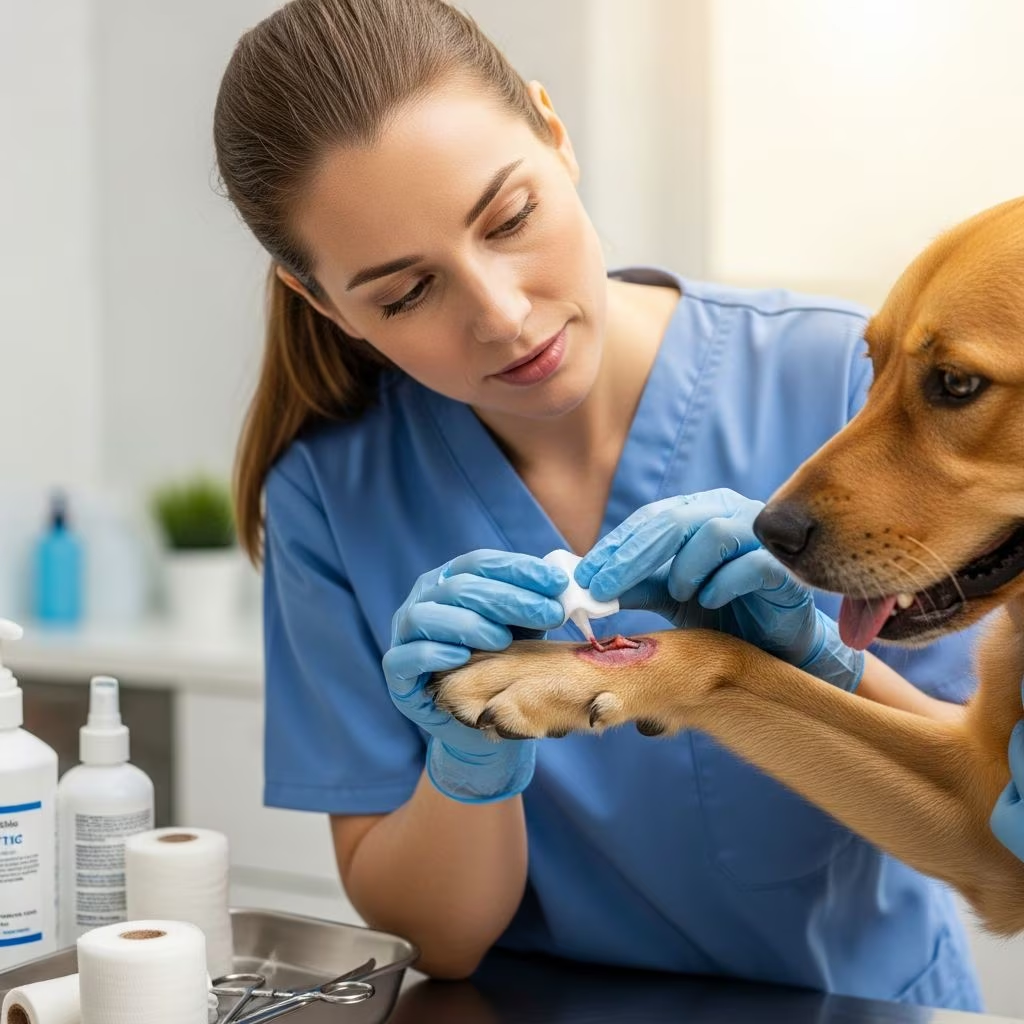
Complete Guide to Dog Open Wound Care
Open wounds in dogs require careful attention and proper management to prevent infection and promote healing. Whether your dog has suffered an injury from play, a fight, or an accident, understanding how to care for the wound at home and when to seek professional veterinary care is crucial for your pet’s recovery. This comprehensive guide covers everything you need to know about managing open wounds in dogs.
Immediate Response to Bleeding Wounds
When your dog sustains a bleeding wound, your immediate response can significantly impact the outcome. The first and most important step is to control the bleeding before transport to a veterinary clinic.
Stopping Active Bleeding: Apply direct pressure to the wound using an absorbent dressing such as dry gauze, followed by a layer of bandage material or a clean, dry cloth. These protective layers will help contain the blood and prevent further contamination of the injury during transport. If possible, attempt to raise the affected area above the level of the heart, as this helps reduce blood flow to the bleeding area and makes clotting easier.
It is absolutely critical that you do not apply ointments, creams, disinfectants, or any other chemicals to the wound unless specifically directed by your veterinarian. Many common household products can interfere with the natural healing process and may cause additional complications. Once you have controlled the bleeding with pressure and bandaging, transport your dog to the veterinary clinic as soon as possible for professional evaluation and treatment.
Understanding Why Some Wounds Are Left Open
You may be surprised to learn that not all wounds are sutured closed. There are several important reasons why veterinarians sometimes recommend leaving wounds open to heal naturally, a process known as healing by second intention.
Location and Contamination Factors: The location of the wound plays a critical role in treatment decisions. Wounds on the face or high on the leg may be impossible to surgically close or bandage effectively. Additionally, puncture wounds or trauma can force bacteria deep into the tissues, creating a contaminated wound that poses serious infection risks.
Contaminated wounds that are more than a few hours old should never be closed without surgical debridement, which involves the removal of all contaminated or dead tissue. In cases where closing the wound would result in more permanent damage than treating it medically, your veterinarian will recommend leaving the wound open. This approach allows for proper drainage, prevents abscess formation, and ultimately leads to better long-term outcomes than forced closure would provide.
Professional Wound Treatment Options
Your veterinarian will develop a treatment plan based on the wound’s characteristics, your dog’s overall health, and the location of the injury. Understanding these treatment approaches helps you make informed decisions about your pet’s care.
Abscess Management: When abscesses form, they may be lanced and carefully cleaned under heavy sedation or general anesthesia. Your veterinarian will place a latex drain in the wound to prevent premature closure and allow infection to drain properly, preventing further buildup of infected material.
Surgical Closure: Whenever possible, wounds are closed and sutured to speed up the healing process. However, if gross contamination or deep infection is present, the wound will be left open for topical treatment and drainage. Your veterinarian may need to anesthetize your dog to remove foreign material and dead tissue from the wound, ensuring that all contaminated areas are properly cleaned. If surgical closure isn’t possible, your veterinarian may apply a protective bandage and prescribe oral or injectable antibiotics to combat infection.
Daily Wound Care Guidelines
Your veterinarian will provide specific instructions tailored to your dog’s particular wound. However, certain general care practices apply to most open wounds and are essential for promoting healing and preventing complications.
Cleaning the Wound
Recommended Cleaning Solutions: Warm tap water is the standard recommendation for cleaning most open wounds. Warm saline solution (salt water) is also effective and can be easily prepared at home. To make saline, add approximately one level teaspoon (5 mL) of salt or Epsom salt to two cups (500 mL) of water. In some cases, your veterinarian may recommend using a dilute cleansing solution of chlorhexidine, a surgical soap, or an iodine solution to help remove stubborn debris.
Products to Avoid: Never use soaps, shampoos, rubbing alcohol, hydrogen peroxide, herbal preparations, or tea tree oil to clean an open wound unless explicitly instructed by your veterinarian. Many of these products are toxic if absorbed internally, while others can significantly delay healing and complicate recovery. Your veterinarian can recommend safe alternatives if these products seem necessary.
Cleaning Technique: Gently clean the wound and surrounding area to remove any debris. This careful cleaning keeps the wound edges clean, reduces the risk of reinfection, and creates an environment where new healthy tissue can develop properly.
Medication Administration
Follow your veterinarian’s medication instructions exactly as prescribed. Your veterinarian may prescribe antibiotics or antibiotic creams to apply directly to the wound. These medications are crucial for preventing and controlling infection. Never discontinue antibiotics or other prescribed medications without explicit instruction from your veterinarian, even if the wound appears to be healing well.
Preventing Self-Injury
One of the most common challenges in wound care is preventing your dog from licking or chewing at the open wound. Many dogs instinctively want to lick their injuries, which can cause serious complications including reinfection, delayed healing, and further tissue damage.
A protective collar, commonly known as an Elizabethan collar or e-collar, is often necessary to prevent your dog from accessing the wound. Depending on the wound’s location, alternative protection options include covering the wound with a bandage, stockinette, dog coat, or even a t-shirt. These solutions provide physical barriers that discourage licking while allowing the wound to remain accessible for cleaning and treatment.
Bandage Management
If your wound is bandaged, daily bandage changes may be required, and your veterinarian will demonstrate the proper technique. Regular bandage changes help prevent moisture accumulation, reduce infection risk, and allow you to monitor the wound’s progress daily.
Managing Wound Drainage and Preventing Premature Closure
When managing open wounds, proper drainage is essential to prevent complications and ensure complete healing. Preventing the wound from closing too early is particularly important for contaminated or infected wounds.
Promoting Drainage: When cleaning the wound, gently massage the surrounding skin to open the wound and promote drainage. You may observe some discharge or even minor bleeding during this process, which is normal and expected. Pay careful attention to the characteristics of this discharge, noting whether it appears thick or colored (which may indicate infection) or whether it is a clear, thin fluid (which typically indicates normal healing).
Monitoring Discharge: Remove any discharge or allow it to drain away naturally. If the discharge continues to be bloody, green, or yellow for several consecutive days, contact your veterinarian immediately for instructions. These colors may indicate an active infection that requires additional treatment or a change in your current care protocol.
Pain Management for Comfort
Wounds can be quite painful for your dog, affecting their comfort and behavior during healing. Your veterinarian may prescribe pain medications to relieve discomfort, particularly in the early stages of wound management.
Once a wound has begun the healing process, pain levels typically decrease significantly. Non-steroidal anti-inflammatory drugs (NSAIDs) are commonly prescribed for wound-related pain and discomfort. Common options include meloxicam (Metacam®), deracoxib (Deramaxx®), and carprofen (Rimadyl®). These medications provide both pain relief and anti-inflammatory benefits, promoting a more comfortable recovery.
Recognizing Signs of Infection
Understanding the signs of infection allows you to catch problems early and prevent serious complications. Watch your dog’s wound carefully for the following warning signs:
- Increased redness beyond the immediate wound area
- Swelling that worsens rather than improves
- Pus or discolored discharge (green, yellow, or brown)
- Foul odor emanating from the wound
- Warmth around the wound area
- Fever in your dog
- Lethargy or decreased activity levels
- Your dog showing increased interest in licking or chewing the wound
If you notice any of these signs, contact your veterinarian immediately. Early intervention can prevent serious complications and ensure your dog receives appropriate treatment.
Activity Restrictions During Healing
Proper activity management is crucial during the wound healing process. Your veterinarian may recommend restricting your dog’s activity for 7 to 14 days to allow the wound to begin healing properly. Keep your dog on a short leash during outdoor bathroom breaks, and keep walks brief. Do not allow your dog to jump, play with other dogs, or engage in strenuous activity that could cause excessive stretching of the wound, particularly in the first few days after injury. Excessive activity may cause the wound to reopen or bleed, setting back the healing process.
Frequently Asked Questions
Q: What should I clean my dog’s wound with?
A: Warm tap water or warm saline solution are the recommended cleaning solutions for most dog wounds. You can prepare saline by mixing one teaspoon of salt or Epsom salt with two cups of water. Avoid using soaps, alcohol, hydrogen peroxide, or herbal products unless specifically directed by your veterinarian.
Q: Why is my dog’s wound being left open instead of sutured?
A: Wounds may be left open due to their location, extensive contamination, or deep infection. Healing by second intention allows for proper drainage and prevents infection buildup. Sometimes leaving a wound open results in better long-term outcomes than forced surgical closure.
Q: How often should I change my dog’s wound bandage?
A: Your veterinarian will provide specific instructions for your dog’s wound. Many open wounds require daily bandage changes to maintain cleanliness and monitor healing progress. Your veterinarian will demonstrate the proper technique during your visit.
Q: What medications might my dog need for wound care?
A: Your veterinarian may prescribe antibiotics (oral or topical), pain medication such as NSAIDs, or other treatments depending on the wound’s severity and type. Always follow dosage instructions exactly as prescribed.
Q: How can I prevent my dog from licking the wound?
A: An Elizabethan collar (e-collar) is the most effective solution. Other options include protective bandages, stockinettes, dog coats, or t-shirts, depending on the wound location.
Q: When should I contact my veterinarian about my dog’s wound?
A: Contact your veterinarian immediately if you notice signs of infection, uncontrolled bleeding, discharge that changes color to green or yellow, fever, increased swelling, or if your dog seems to be in significant pain or distress.
References
- Care of Open Wounds in Dogs — VCA Animal Hospitals. 2024. https://vcahospitals.com/know-your-pet/care-of-open-wounds-in-dogs
- Bite Wounds in Dogs — VCA Animal Hospitals. 2024. https://vcahospitals.com/know-your-pet/bite-wounds-in-dogs
- Care of Surgical Incisions in Dogs — VCA Animal Hospitals. 2024. https://vcahospitals.com/know-your-pet/care-of-surgical-incisions-in-dogs
- Dog Wound Care: How To Treat Cuts & Scrapes — Pumpkin Pet Insurance. 2024. https://www.pumpkin.care/post/dog-wound-care
- Wound Care Dos and Don’ts — VCA Animal Hospitals. 2024. https://vcahospitals.com/shop/home/articles/wound-care-dos-and-don-ts



