

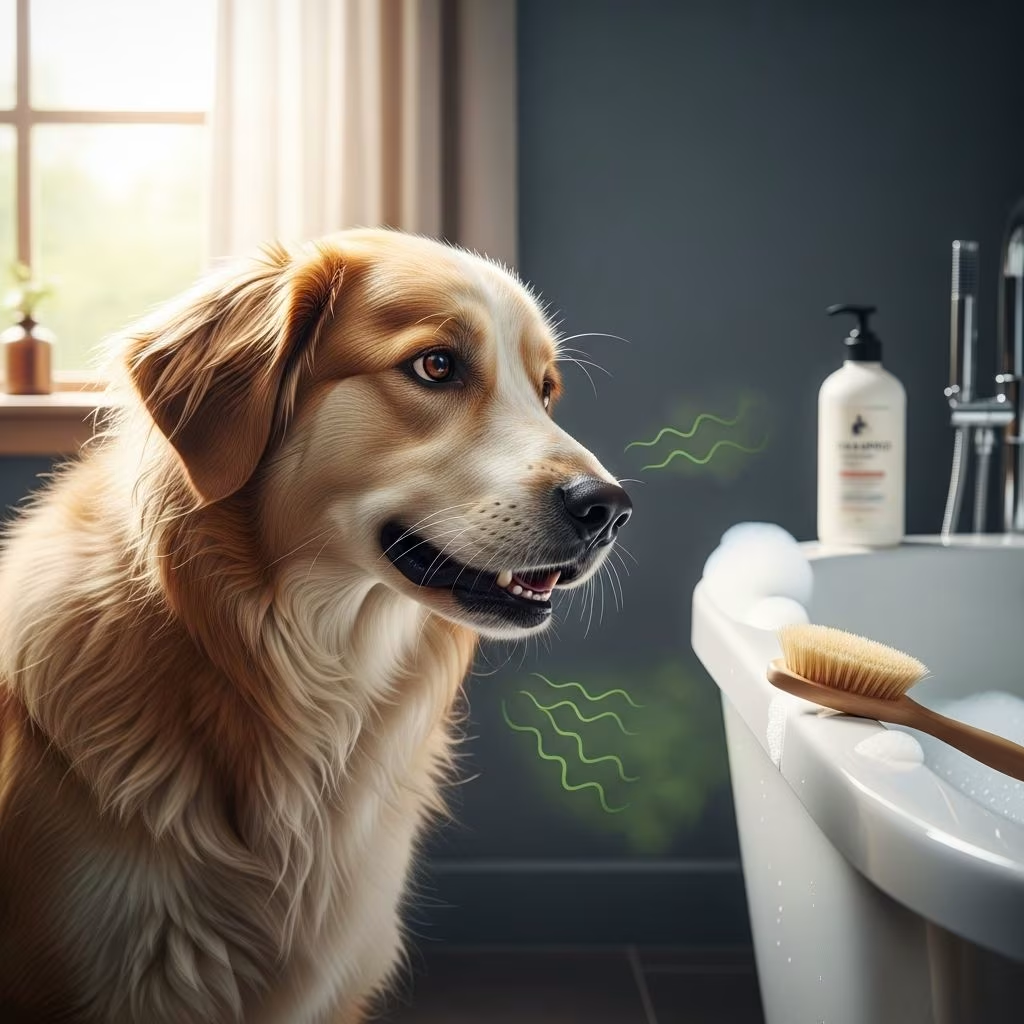
Smelly Dog? Here’s Why—and How to Get Rid of Dog Smell for Good
If your dog has developed a persistent odor that regular baths don’t seem to fix, you’re not alone. Many pet parents struggle with dog odor, and it’s one of the most common complaints brought to professional groomers and veterinarians. The good news is that understanding the root causes of dog odor is the first step toward eliminating it permanently. Whether the smell is coming from your dog’s skin, ears, mouth, or anal glands, there are proven strategies to address each source and keep your furry friend smelling fresh.
Understanding the Root Causes of Dog Odor
Dog odor isn’t just about cleanliness—it’s often a sign that something deeper needs attention. Simply bathing your dog without addressing the underlying source will only provide temporary relief. To truly eliminate dog smell, you need to identify where it’s coming from and tackle the problem at its source.
Skin and Coat Issues
One of the most common sources of dog odor is the skin and coat itself. Dogs naturally produce oils from their skin and coat that can emit a musky odor over time. When these natural oils build up combined with dirt, dander, and moisture, they create an ideal environment for bacteria and yeast to flourish. Matted or unkempt fur traps debris and moisture, becoming a breeding ground for odor-causing microbes. Dogs can develop bacteria or yeast on their skin—especially in moist areas like their ears, paws, and skin folds. These microorganisms produce strong odors if left unchecked, and according to veterinary experts, these microbial imbalances are among the leading causes of smelly dogs.
Ear Infections and Buildup
Dogs with floppy ears or those that spend time in water are particularly prone to ear infections and odor issues. The buildup of wax, debris, or moisture in the ear canal creates a perfect environment for bacteria and yeast to multiply. If you notice excessive wax, redness, or a foul smell coming from your dog’s ears, this could indicate an infection that requires veterinary attention. Regular ear cleaning using vet-recommended ear cleaners can help prevent these infections before they start and significantly reduce odor from this area.
Dental Disease and Bad Breath
A dog’s mouth can be another significant source of unpleasant odor. Bad breath isn’t just unpleasant—it’s often a sign of plaque buildup or gum disease. Without regular brushing, bacteria flourish in your dog’s mouth, causing bad breath and contributing to overall body odor. The odor from dental disease can affect your entire interaction with your pet, making cuddle time less enjoyable. Professional dental cleanings and regular at-home brushing are essential to maintaining oral health and preventing this source of smell.
Anal Gland Problems
Anal glands might be inflamed, impacted, infected, and/or oozing, which can create a particularly pungent odor. When anal glands aren’t functioning properly, they can produce a fish-like smell that’s difficult to ignore. Frightening or stressful situations may cause your dog’s anal glands to ooze or empty spontaneously, compounding the problem. If you notice persistent anal gland odor, your veterinarian may need to express them manually or investigate underlying health issues.
Underlying Health Conditions
Sometimes, persistent dog odor is a sign of underlying health problems that require professional diagnosis. Skin infections, allergies, and other medical conditions can all contribute to persistent smells. If you notice a sudden change in your dog’s odor despite regular grooming, it’s important to consult your veterinarian to rule out any health issues.
The Role of Bathing in Dog Odor Control
Proper bathing is a cornerstone of odor management, but it’s important to get it right. Bathing your dog too often or not enough can impact how they smell. Over-bathing strips their skin of natural oils, leading to dryness and potential odor, while infrequent baths allow dirt, sweat, and other debris to build up on their coat.
Choosing the Right Shampoo
Using shampoos that are not designed for dogs can throw off their skin’s pH balance, causing odors. Always use dog-specific shampoos that suit your dog’s skin type. Look for options labeled as “deodorizing” or “antimicrobial” to help combat odors more effectively. Avoid human shampoos, as they can irritate a dog’s skin and alter the natural pH balance. Additionally, counterintuitively, you might want to avoid dog shampoos with heavy perfumes, as many dogs find these smells offensive and may roll in something like dirt or poop to cover up the perfume smell.
Bathing Frequency and Technique
Most dogs need a bath every month, but active or outdoor dogs may require more frequent baths. Puppies, on the other hand, may need less frequent bathing due to their sensitive skin. The key is finding a balanced bathing routine with products specifically made for dogs to keep them fresh without overdoing it. During the bath, ensure you rinse all the shampoo out of your dog’s coat to prevent residue buildup, which can contribute to odor. Pay special attention to areas where shampoo may linger, such as under the legs and around the ears.
A proper shower and blow-dry session removes dirt, dander, excess oils, and bacteria that cling to your dog’s coat. Even persistent odors due to improper air drying or health issues can make your dog smell bad, regardless of having a bath. Ensure your dog is thoroughly dried after bathing to prevent moisture from creating an environment for bacteria and yeast growth.
Brushing and De-shedding Strategies
Regular brushing is another critical component of dog grooming that can help control odor effectively. Brushing helps eliminate loose fur, dirt, and dander that can trap odors. Consider using a de-shedding tool or grooming mitt, especially during shedding seasons, to remove the maximum amount of loose hair and debris.
Selecting the Right Brush
Different coat types require different brushes. Slicker brushes work well for long-haired breeds, while bristle brushes are ideal for short-haired dogs. Consulting with your groomer or veterinarian can help you select the best brush for your dog’s specific coat type. Some breeds have a higher risk of stronger odor due to either the type of coat or a predisposition to infections.
Brushing Frequency
Aim to brush your dog at least once a week, but more frequent brushing may be necessary for long-haired breeds or during shedding seasons. This not only reduces odor but also helps prevent matting and skin irritation. Regular brushing maintains better air circulation through your dog’s coat and prevents the accumulation of moisture and debris that contribute to odors.
Dental Hygiene for Fresh Breath
Bad breath is a significant contributor to overall dog odor, and maintaining your dog’s dental health is essential. Brush your dog’s teeth regularly with dog toothpaste, and consider dental chews to help maintain oral health. Dental water additives and professional cleanings at the veterinarian’s office can also aid in preventing dental issues that contribute to bad breath. Without proper dental care, bacteria flourish in your dog’s mouth and can affect their entire body odor.
Diet and Nutrition’s Impact on Dog Odor
A healthy diet plays a crucial role in your dog’s overall health and odor control. Quality nutrition directly influences your dog’s skin and coat condition, which in turn affects how they smell. Invest in high-quality dog food that meets your dog’s nutritional needs. Foods rich in omega fatty acids can improve skin health and reduce odor. All dogs’ dietary needs are different, so finding the right food for your dog is key, as certain foods can contribute to your dog’s smell, such as those high in fat or foods that upset your dog’s tummy.
Hydration and Digestive Health
Ensure your dog has access to fresh water, as dehydration can lead to dry skin and worsen odors. Additionally, give your dog high fiber dietary supplements to help with bulkier, firmer bowel movements, which usually help your dog’s anal glands empty on their own on a regular basis so there isn’t a buildup over time. Foods that cause soft stools or diarrhea in your dog should be avoided, as they can contribute to anal gland problems and odor issues.
Professional Grooming: When to Seek Expert Help
Professional grooming isn’t just about appearance—it’s essential to your dog’s health and hygiene. While at-home grooming is important, professional groomers have the training and experience to recognize early signs of skin infections, parasites, or inflammation—all of which contribute to bad odors if untreated. During a grooming appointment, professionals can focus on odor-prone areas including ears (to prevent infections), teeth (for fresh breath), and paws and skin folds (where bacteria thrive).
Some smells are caused by underlying health issues that require a trained eye to detect. That’s why even with regular at-home care, professional grooming is still essential for overall odor control. Professional groomers can also apply pet-friendly treatments designed to keep your pet smelling delightful for longer.
Additional Tips to Keep Your Dog Smelling Fresh Between Grooms
Even with scheduled grooming, you can take steps to prevent odors at home. Keeping your dog’s environment clean and hygienic is crucial—the vast majority of dog body odor can be avoided just by keeping your dog’s environment clean and hygienic and your dog in general good health. Spraying your dog’s coat with a doggie deodorant when you’re brushing him is an easy way to manage odors without changing your grooming routine. Additionally, avoid letting your dog accumulate dirt from not having a bath and being brushed or from rolling in something like poop, garbage, or the remains of a dead animal.
Regular vet check-ups are also essential—routine veterinary visits can help catch any underlying health issues early on. If you notice persistent odors despite grooming, consulting your veterinarian for further investigation is the best course of action.
Frequently Asked Questions (FAQs)
Q: How often should I bathe my dog to prevent odor?
A: Most dogs need a bath every month, but active or outdoor dogs may require more frequent baths. The key is using dog-specific shampoos and ensuring thorough rinsing to prevent residue buildup. Avoid over-bathing, as it strips natural oils from your dog’s skin.
Q: What type of shampoo should I use for my smelly dog?
A: Use dog-specific shampoos that suit your dog’s skin type and look for options labeled as “deodorizing” or “antimicrobial.” Avoid human shampoos and heavily perfumed formulas, as these can irritate your dog’s skin and alter their natural pH balance.
Q: Why does my dog still smell bad even after bathing?
A: Persistent odor often indicates an underlying issue such as skin infections, ear infections, dental disease, anal gland problems, or allergies. Simply bathing without addressing the source provides only temporary relief. Consult your veterinarian to identify the root cause.
Q: How can I manage my dog’s ear odor?
A: Check your dog’s ears regularly for dirt and wax buildup and use a vet-recommended ear cleaner to keep them clean. Dogs with floppy ears or those that spend time in water are more prone to ear infections. If you notice excessive wax, redness, or a foul smell, consult your veterinarian immediately.
Q: What role does diet play in dog odor?
A: A healthy diet rich in omega fatty acids can improve skin health and reduce odor. Foods high in fat or those that upset your dog’s stomach can contribute to smell. Ensure your dog has access to fresh water and consider adding high-fiber supplements to support digestive and anal gland health.
Q: Should I use perfumed dog products to mask odors?
A: While deodorizing products can help temporarily, it’s better to address the root cause of the odor rather than mask it. Additionally, many dogs find heavily perfumed products offensive and may roll in dirt or other substances to cover up the smell.
Q: How often should I brush my dog to prevent odor?
A: Aim to brush your dog at least once a week, but long-haired breeds or those with heavy shedding may need more frequent brushing. Regular brushing removes loose hair, dirt, and dander that trap odors and helps prevent matting and skin irritation.
Q: When should I see a veterinarian about dog odor?
A: If you notice a sudden change in your dog’s odor despite regular grooming, or if home care measures aren’t working, consult your veterinarian. Persistent odor can indicate skin infections, allergies, dental disease, or other health conditions that require professional treatment.
Key Takeaways for Odor-Free Dogs
Managing dog odor effectively requires a multifaceted approach that addresses the root causes rather than just masking the smell. Persistent odor in dogs may come from the skin, ears, mouth, or anal glands. Regular grooming and dental hygiene are essential to control smells. Odors caused by infection or allergies need veterinary treatment. By implementing a consistent grooming routine that includes regular bathing with appropriate products, thorough brushing, ear and dental care, and monitoring your dog’s diet and health, you can significantly reduce or eliminate dog odors.
Remember that professional grooming can complement your at-home efforts, especially for detecting early signs of health issues. Most importantly, if odors persist despite your best efforts, don’t hesitate to consult your veterinarian. Smelly Dog Syndrome doesn’t have to be an ongoing part of pet parenting. With the right grooming habits—both at home and with the help of trained professionals—even the most odor-prone pups can stay fresh and clean.
References
- Control Dog Odor with Effective Grooming Techniques — Recherche Kennels. 2025. https://recherchekennels.com/how-to-control-dog-odor-through-proper-grooming/
- How to Prevent Dog Body Odor — Wag Walking. 2025. https://wagwalking.com/wellness/how-to-prevent-dog-body-odor
- Smelly Dog Syndrome? How Regular Grooming Keeps Odors At Bay — Dog House Dubai. 2025. https://dog-house.ae/dogs-physical-health/smelly-dog-grooming-tips/
- Why Does My Dog Smell? How to Identify and Prevent It? — Supertails. 2025. https://supertails.com/blogs/posts/why-does-my-dog-smell-how-to-identify-and-prevent-it
- Smelly Dog? Here’s Why—and How To Get Rid of Dog Smell for Good — Chewy. 2025. https://www.chewy.com/education/dog/grooming/the-dog-odor-answer



