

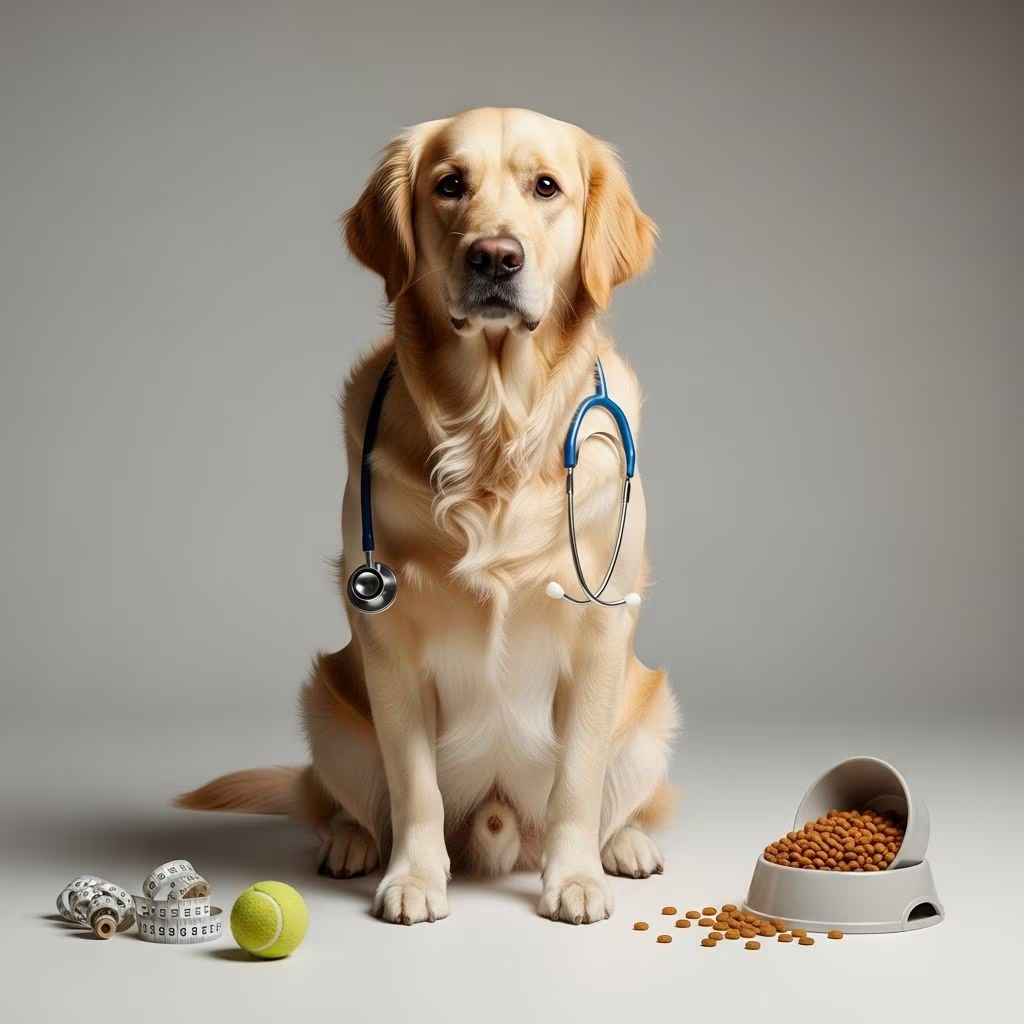
Understanding Dog Obesity: A Growing Health Concern
Dog obesity has become one of the most prevalent health issues affecting companion animals today. Just like their human counterparts, dogs can struggle with weight management, and the consequences can be severe and long-lasting. Obesity in dogs is not merely a cosmetic concern—it is a serious medical condition that significantly impacts quality of life, longevity, and overall wellness. Understanding the causes, recognizing the signs, and implementing effective management strategies is essential for responsible pet ownership and ensuring your canine companion lives a healthy, active life.
Obesity is clinically defined as an excessive accumulation of body fat that compromises health and function. When a dog carries excess weight, it places tremendous strain on virtually every body system, from the skeletal and muscular systems to the cardiovascular and endocrine systems. The good news is that with proper knowledge, commitment, and veterinary guidance, obesity in dogs is preventable and manageable.
What Causes Dog Obesity?
Understanding the root causes of canine obesity is the first step toward prevention and treatment. While the fundamental equation—consuming more calories than expended—seems straightforward, the reality involves multiple interconnected factors.
Overfeeding and Improper Nutrition
One of the most common causes of dog obesity is overfeeding. Well-intentioned owners often express affection through treats and extra portions, not realizing how quickly calories accumulate. Free-choice feeding, where food is left available throughout the day, makes it difficult for dogs to self-regulate intake. Additionally, feeding high-fat and low-fiber diets, along with excessive table scraps and treats, contributes significantly to weight gain. Dogs consuming high-fat, high-sucrose, and high-caloric diets are particularly susceptible to developing diet-induced obesity, which can lead to impaired glucose tolerance, dysplipidemia, and insulin resistance.
Sedentary Lifestyle and Lack of Exercise
A sedentary lifestyle is a major contributor to canine obesity. Dogs require regular physical activity to maintain healthy body weight and metabolism. Many modern dogs, particularly those in urban environments or with busy owners, receive insufficient exercise. The combination of excessive caloric intake and minimal physical activity creates the perfect environment for rapid weight gain.
Age and Life Stage Changes
As dogs age, their metabolic rate naturally decreases, and they become less active. Older pets tend to gain weight more easily without dietary adjustments. The transition from adolescence to adulthood and the senior years often brings weight challenges if food portions are not appropriately modified.
Breed Predisposition
Certain dog breeds are genetically predisposed to obesity. Labrador Retrievers, Beagles, and other breeds with naturally slower metabolisms are at higher risk. These breeds may require more careful dietary management and monitoring than others.
Medical Conditions and Medications
Various medical conditions can contribute to weight gain in dogs. Hypothyroidism and Cushing’s Disease are endocrine disorders that slow metabolism and promote fat storage. Neutering and spaying, while recommended for population control, can decrease a dog’s metabolic rate by up to 25-30%, making weight management more challenging post-surgery.
Certain medications can also induce obesity. Glucocorticoids and anticonvulsant drugs like phenobarbital can increase appetite and alter fat deposition patterns, leading to drug-induced weight gain. These drugs work by impairing mitochondrial beta-oxidation of fatty acids, decreasing energy expenditure, and altering hypothalamic leptin and neuropeptide Y activity.
Health Consequences of Canine Obesity
The health implications of obesity in dogs are extensive and potentially severe. Extra body weight doesn’t just cause discomfort—it fundamentally affects how every system in the body functions and can significantly shorten a dog’s lifespan.
Orthopedic Disorders and Joint Disease
The most common consequence of canine obesity is the development or worsening of arthritis and orthopedic problems. Excess body weight places tremendous pressure on joints, bones, ligaments, and muscles, accelerating joint degeneration. Obesity-related orthopedic issues include:
- Osteoarthritis
- Cruciate ligament tears and ruptures
- Intervertebral disc disease
- Fractures, particularly of the humeral condyles
At least 20% of all dogs show some evidence of osteoarthritis regardless of age, but this risk increases substantially in overweight and obese dogs. The pain and inflammation associated with these conditions significantly impact quality of life, limiting a dog’s ability to play, exercise, and engage in normal activities.
The link between obesity and joint pain is twofold. First, the mechanical stress from excess weight directly damages joints and ligaments. Second, fat tissue is biologically active and secretes hormones and inflammatory chemicals, including leptin, which causes inflammation when it enters joints and contributes to bone changes associated with osteoarthritis. Weight loss has been shown to improve the degree of lameness in dogs with obesity-related joint problems.
Diabetes Mellitus
Obesity significantly increases the risk of diabetes in dogs. Excess adipose (fat) tissue produces lower levels of adiponectin, a hormone that plays a crucial role in insulin sensitivity. This reduction in adiponectin contributes to insulin resistance, a hallmark of diabetes. Additionally, increased fat tissue produces higher levels of pro-inflammatory cytokines like TNF and IL-6, which further impair insulin function and glucose metabolism.
Respiratory and Cardiovascular Problems
Obesity compromises respiratory function in dogs. Excessive fat on the body hinders the movement of the diaphragm during respiration, leading to difficulty breathing, especially after minimal exertion. Like obese humans, overweight dogs experience decreased lung volume and restrictive ventilatory patterns. Fat accumulation in the chest cavity compresses the airways and heart, making normal breathing more laborious.
Obesity also increases the risk of cardiovascular complications. Dogs with high-fat diets often develop elevated cholesterol levels and high blood pressure, both of which stress the heart and increase the risk of cardiac disease.
Urinary and Reproductive Disorders
Increased retroperitoneal fat in obese dogs causes caudal displacement of the urinary bladder, leading to difficult and painful urination. This condition predisposes dogs to urolithiasis (stone formation) in the urinary tract. Additionally, excess abdominal pressure from obesity can increase urethral mobility and bladder pressure, resulting in stress-induced urinary incontinence.
Increased Cancer Risk and Other Conditions
Research has linked obesity to increased incidence of various cancers in dogs. Additionally, obese dogs face greater anesthetic risks should they require surgery, as excess weight compromises respiratory function during anesthesia.
Recognizing the Signs of Obesity in Your Dog
Early recognition of obesity allows for prompt intervention. Several signs indicate that your dog may be carrying excess weight:
- Visible weight gain and rounded appearance: A noticeable increase in body size and a loss of waist definition when viewed from above
- Reduced endurance and stamina: Reluctance to engage in physical activities and quick fatigue even during light exercise
- Difficulty breathing: Labored breathing, excessive panting, or shortness of breath during normal activities
- Joint problems: Limping, reluctance to move, stiffness after rest, or signs of pain during exercise
- Decreased activity level: Increased napping and lethargy compared to previous activity levels
- Slow walking pace: Moving more slowly than typical or frequently needing breaks during walks
- Excessive panting: Heavy panting even when walking at a relatively slow pace
Obesity Assessment and Body Condition Scoring
Rather than relying solely on weight, veterinarians use body condition scoring to assess whether a dog is at a healthy weight. A body condition score typically ranges from 1-9, with 4-5 representing ideal weight, 6-7 indicating overweight, and 8-9 indicating obesity. During veterinary examinations, your vet will evaluate your dog’s rib visibility, waist definition, and abdominal tuck to determine the appropriate body condition score and whether weight management is necessary.
Managing Canine Obesity: Proven Strategies
Successfully managing canine obesity requires a comprehensive, multifaceted approach involving dietary changes, increased physical activity, and ongoing veterinary monitoring.
Dietary Management
Diet plays a pivotal role in weight reduction and management. Transitioning to a high-quality, balanced diet with appropriate portion control is fundamental. Key dietary strategies include:
- Portion control: Feed measured portions based on your dog’s ideal weight, not current weight, as recommended by your veterinarian
- Specialized weight management foods: Prescription or high-quality commercial weight loss diets are specifically formulated to provide essential nutrients while restricting calorie intake
- Increased fiber: High-fiber diets promote satiety and help dogs feel fuller longer on fewer calories
- Low-fat formulations: Reducing dietary fat content helps create a caloric deficit necessary for weight loss
- Omega-3 supplementation: Diets enriched with omega-3 polyunsaturated fatty acids can reduce the production of lipid inflammatory mediators, helping manage inflammation associated with obesity
- Elimination of table scraps and excessive treats: Minimize calorie-dense human foods and limit treats to no more than 10% of daily calories
Exercise and Activity Increase
Increasing physical activity is essential for weight loss and overall health. Regular exercise helps burn calories, improves cardiovascular function, strengthens muscles and joints, and enhances mental well-being. Exercise programs should be tailored to your dog’s current fitness level and any existing health conditions. Starting gradually and progressively increasing intensity prevents injury.
Veterinary Partnership and Monitoring
Successful weight loss requires close collaboration between dog owners and veterinarians. Your veterinarian can help set realistic weight loss goals, monitor progress, and adjust strategies as needed. Regular weigh-ins and body condition checks determine when or how to adjust food portions or dietary formulations. This ongoing monitoring ensures that weight loss is progressing safely and that nutritional needs are being met.
Expected Outcomes of Weight Loss
The benefits of successful weight loss in obese dogs are substantial and often observable within weeks to months:
- Improved mobility and increased activity levels
- Reduced joint pain and decreased lameness in dogs with osteoarthritis
- Decreased serum cholesterol levels
- Reduced blood pressure
- Improved respiratory function and easier breathing
- Enhanced insulin sensitivity and reduced diabetes risk
- Improved overall quality of life and increased longevity
Preventing Obesity: Best Practices for Dog Owners
Prevention is always easier than treatment. Dog owners can implement these strategies to maintain healthy weight:
- Feed measured, portion-controlled meals rather than free-choice feeding
- Choose high-quality, balanced dog foods appropriate for your dog’s age and activity level
- Minimize treats and table scraps, using low-calorie alternatives when appropriate
- Ensure regular daily exercise suitable for your dog’s breed and age
- Monitor weight regularly and discuss any changes with your veterinarian
- Have annual veterinary wellness exams to screen for metabolic disorders
- Be aware of breed predispositions and adjust nutrition accordingly
- Consider the metabolic impact of spaying or neutering and adjust feeding accordingly
Frequently Asked Questions About Dog Obesity
Q: How quickly can my dog lose weight safely?
A: Safe weight loss in dogs is typically 1-2% of body weight per week. Slower weight loss is healthier and more sustainable than rapid weight reduction. Your veterinarian can establish an appropriate timeline based on your dog’s individual circumstances.
Q: Can obesity in dogs be reversed?
A: Yes, obesity is reversible with dedicated effort. However, some consequences, particularly joint damage from arthritis, may not be completely reversible. Early intervention is crucial to prevent permanent damage and improve outcomes.
Q: Will my dog’s metabolism permanently change after obesity?
A: Dogs that have been obese may have slightly altered metabolism, making weight management slightly more challenging long-term. However, consistent diet and exercise protocols can maintain healthy weight effectively.
Q: Are there medications to treat dog obesity?
A: There are limited pharmaceutical options for canine obesity. Dietary management and exercise remain the primary treatments. Your veterinarian can discuss any appropriate options for your specific dog.
Q: How do I know what my dog’s ideal weight should be?
A: Your veterinarian can determine ideal weight based on your dog’s breed, age, body structure, and overall health. Rather than focusing on a specific number, body condition scoring provides a more accurate assessment of whether your dog is at a healthy weight.
References
- Obesity in Canines: Issues, Causes, Treatments and Managements — Herald Open Access. 2024. https://www.heraldopenaccess.us/openaccess/obesity-in-canines-issues-causes-treatments-and-managements
- Overweight, Obesity, and Pain in Dogs: Overview — VCA Animal Hospitals. 2024. https://vcahospitals.com/know-your-pet/overweight-obesity-and-pain-in-dogs-overview
- Obesity and Weight Loss in Dogs — Cornell University College of Veterinary Medicine Riney Canine Health Center. 2024. https://www.vet.cornell.edu/departments-centers-and-institutes/riney-canine-health-center/canine-health-information/obesity-and-weight-loss-dogs
- Pet Obesity—Causes, Treatment & Prevention — RSPCA UK. 2024. https://www.rspca.org.uk/adviceandwelfare/pets/general/obesity
- Understanding, Treating, and Preventing Obesity in Dogs — Live Oak Veterinary Hospital. 2024. https://www.liveoaklubbock.com/dogs/understanding-treating-and-preventing-obesity-in-dogs/



