

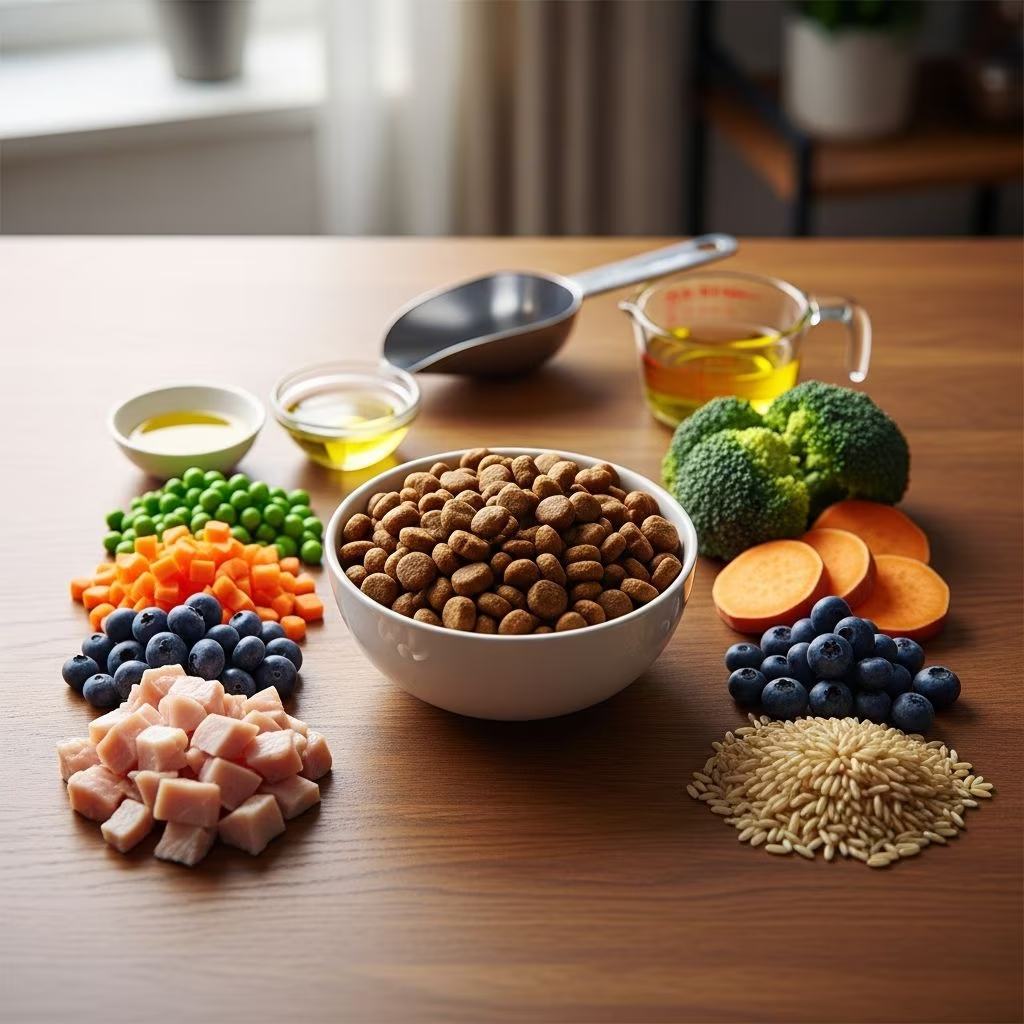
Dogs thrive on a balanced diet tailored to their unique needs, incorporating high-quality proteins, fats, carbohydrates, vitamins, minerals, and ample water to support growth, energy, and overall well-being. Understanding these components empowers pet owners to make informed choices that prevent health issues and promote longevity.
Core Nutrients Every Dog Requires
Dogs, as omnivores, need a precise mix of macronutrients and micronutrients for optimal function. Proteins form the foundation, serving as building blocks for muscles, organs, skin, and the immune system. High-quality sources like chicken, beef, or fish should dominate the diet, providing essential amino acids.
Fats deliver concentrated energy, aid in vitamin absorption, and maintain healthy skin and coat through essential fatty acids such as omega-3 and omega-6. Look for moderate levels, around 8-12% for adults, from sources like fish oil or chicken fat.
Carbohydrates, while not strictly essential, supply quick energy, dietary fiber for digestion, and additional nutrients from grains, vegetables, or fruits. They help reduce reliance on proteins and fats for calories.
Vitamins and minerals regulate metabolic processes, support bone health, immunity, and vision. Key ones include vitamin A for eyes, calcium for bones, and B vitamins for energy metabolism. Water is non-negotiable, facilitating digestion, temperature regulation, and nutrient transport—always provide fresh access.
Decoding Dog Food Labels Like a Pro
Pet food labels reveal nutritional quality if you know what to scrutinize. Start with the ingredient list, ordered by weight: prioritize named proteins like “salmon” over vague “meat by-products”.
The guaranteed analysis shows minimum crude protein (18%+ for adults, 22%+ for puppies), fat (8-12%), fiber (2-5%), and moisture levels. Compare on a dry matter basis for accuracy across wet and dry foods.
Seek the AAFCO statement confirming the food is “complete and balanced” for specific life stages, ensuring all nutrient profiles meet standards. Nutritional adequacy statements detail suitability for growth, maintenance, gestation, or lactation.
| Label Section | What to Check | Ideal for Adult Dogs |
|---|---|---|
| Ingredients | First 3-5 items | Named meat (e.g., chicken) |
| Guaranteed Analysis | Protein/Fat/Fiber | 18%+ / 8-12% / 2-5% |
| AAFCO Statement | Complete & Balanced | For all life stages or maintenance |
| Calories | Kcal per cup/kg | Match dog’s needs |
Customizing Diets by Life Stage and Lifestyle
Puppies demand higher protein (22%+) and calories for rapid growth, often fed three to four times daily with DHA for brain development. Adults focus on maintenance with balanced energy to prevent obesity, typically two meals.
Seniors benefit from joint-supporting glucosamine, reduced calories, and digestible ingredients to combat arthritis and weight gain. Pregnant or lactating dogs require 25-50% more calories, with increased protein and calcium.
Active or working dogs need elevated fats and proteins for endurance, while overweight pets prioritize low-calorie, high-fiber options. Breeds like large giants (e.g., Great Danes) need controlled growth formulas to avoid skeletal issues.
Safe Human Foods as Treats and Supplements
Occasional human foods enhance diets when chosen wisely. Proteins like plain cooked chicken, turkey, lean beef, fish (low-mercury), and eggs provide boosts—limit eggs to 1-2 weekly to avoid excess.
- Chicken/Turkey: Lean, boneless, unseasoned for digestion.
- Fish: Salmon for omega-3s, cooked thoroughly.
- Eggs: Boiled for protein, salmonella-free.
Vegetables offer fiber and vitamins: carrots for eyes, green beans for weight control, pumpkin for gut health, sweet potatoes (cooked) for antioxidants. Fruits like blueberries (immune support), apples (dental crunch, seedless), and bananas (potassium, moderated) delight without harm.
Avoid: Toxic items like grapes, onions, garlic, chocolate, xylitol, and high-fat scraps causing pancreatitis.
Calculating Calories and Portion Control
Prevent under- or overfeeding by computing daily needs. Use Resting Energy Requirement (RER): for dogs, 30 × body weight (kg) + 70, then multiply by factors: 1.6-1.8 sedentary adults, 2-5 for active/puppies.
Example: 20kg dog RER = 30×20 + 70 = 670 kcal; sedentary needs ~1,072 kcal daily. Divide into 2-3 meals, adjust for treats (10% max calories).
Monitor weight weekly: ribs palpable but not visible signals ideal body condition. Consult vets for precision, especially with health conditions.
Types of Dog Food: Pros and Cons
| Type | Pros | Cons | Best For |
|---|---|---|---|
| Dry (Kibble) | Convenient, dental benefits, long shelf life | May lack moisture, palatability varies | Most dogs, budget-friendly |
| Wet (Canned) | High moisture, flavorful, soft texture | Expensive, messy, shorter shelf life | Seniors, picky eaters |
| Fresh/Raw | Highly digestible, whole ingredients | Costly, bacterial risks if mishandled | Health-focused owners |
| Home-Cooked | Customizable, fresh | Imbalanced without vet guidance | Under supervision |
Commercial foods meeting AAFCO are safest for balance; mix types if tolerated. Transition gradually over 7-10 days to avoid tummy upset.
Common Nutrition Pitfalls and Fixes
Overfeeding leads to obesity, affecting 59% of dogs—measure portions religiously. Table scraps disrupt balance; limit to 10% intake.
Ignoring allergies (e.g., grains, chicken) causes itching—switch proteins and consult vets. Puppies overfed grow too fast, risking joint problems.
Solution: Annual vet checkups, body condition scoring, and quality food adherence ensure success.
FAQs on Dog Nutrition
What’s the best protein percentage for my adult dog?
Aim for at least 18-25% crude protein from quality sources for maintenance and health.
Can dogs eat rice or oats?
Yes, digestible carbs like these provide energy and fiber, common in balanced formulas.
How often should I feed my dog?
Adults: twice daily; puppies: 3-4 times; adjust for age and activity.
Is grain-free dog food better?
Not necessarily—grains offer benefits unless allergies exist; choose AAFCO-approved.
What if my dog is a picky eater?
Warm wet food, add toppers like broth (low-sodium), or mix types gradually.
Building Healthy Habits for Longevity
Consistent nutrition fosters vitality: pair diet with exercise, dental care, and vaccinations. Track changes in coat, energy, stool for issues. Invest in education—your dog’s lifespan hinges on these choices.
References
- Nutrition 101: Feeding Your Pet for Optimal Health — SodoVet. 2023. https://sodovet.com/blog/pet-nutrition-for-optimal-health
- What Do Dogs Eat? A Complete Guide to Canine Nutrition — Plaza Animals. 2024. https://plazaanimals.com/pet-wellness-care-in-mooresville-nc/what-do-dogs-eat-a-complete-guide-to-canine-nutrition/
- Understanding Basic Dog Nutrition: A Complete Guide for Pet Parents — Buddy Sweets. 2023. https://www.buddysweets.com/post/understanding-basic-dog-nutrition-a-complete-guide-for-pet-parents
- Nutrition – General Feeding Guidelines for Dogs — VCA Animal Hospitals. 2025-02-01. https://vcahospitals.com/know-your-pet/nutrition-general-feeding-guidelines-for-dogs
- The ABCs of Pet Nutrition: A Guide for Every Pet Parent — Rocklin Ranch Vet. 2024. https://www.rocklinranchvet.com/blog/the-abcs-of-pet-nutrition-a-guide-for-every-pet-parent/
- Dog Nutrition Tips — ASPCA. 2025. https://www.aspca.org/pet-care/dog-care/dog-nutrition-tips
- Pet Nutrition Basics — Tufts University Petfoodology. 2024. https://sites.tufts.edu/petfoodology/category/pet-nutrition-basics/



