

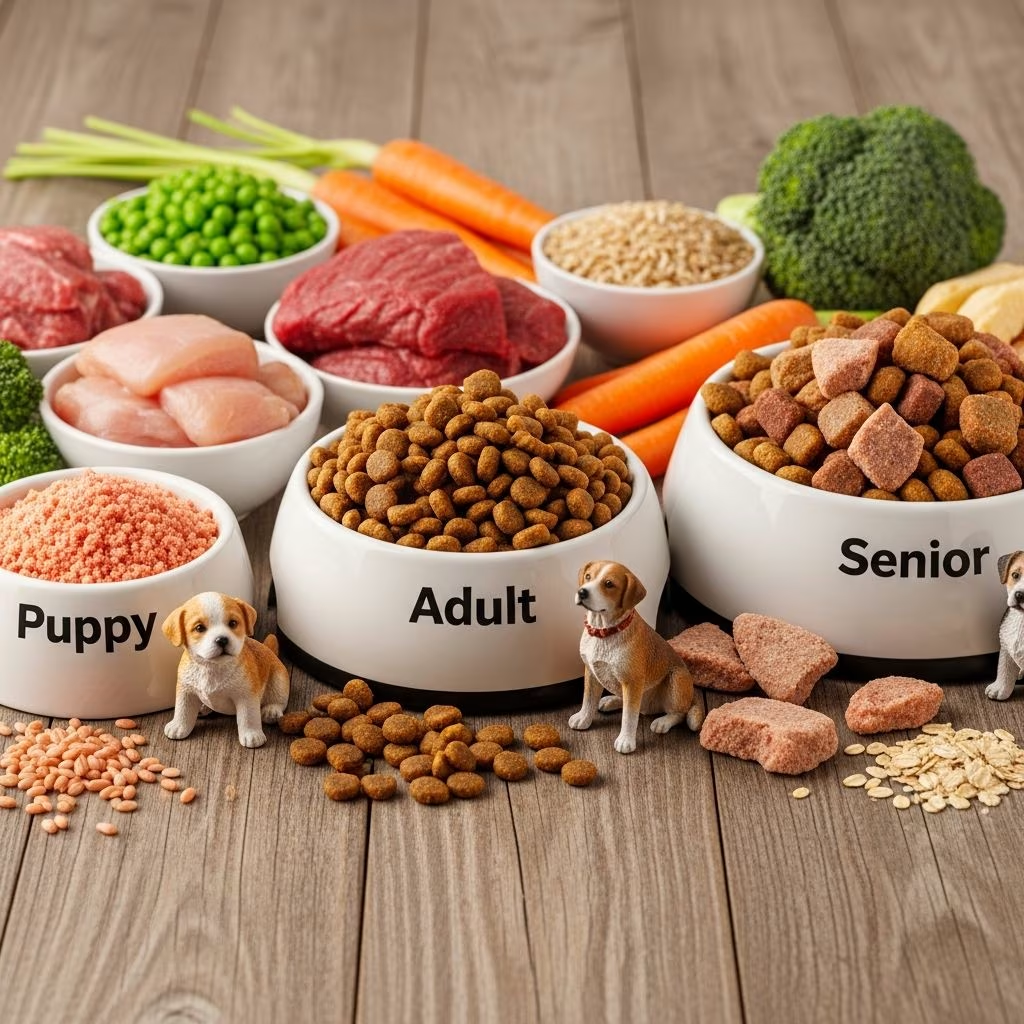
Dogs experience profound changes throughout their lives, each phase demanding distinct nutritional profiles to foster growth, sustain energy, and promote longevity. Understanding these shifts allows pet owners to select diets that align precisely with their dog’s developmental needs, preventing deficiencies and supporting overall well-being.
Essential Nutrients for Canine Health
A balanced canine diet hinges on core nutrients that fuel every bodily function. Proteins form the cornerstone, supplying amino acids vital for muscle development, tissue repair, and enzyme production. High-quality sources like chicken, beef, fish, and eggs deliver complete proteins dogs cannot synthesize independently.
Fats provide concentrated energy and aid absorption of fat-soluble vitamins such as A, D, E, and K. They also contribute essential fatty acids like omega-3s and omega-6s, which maintain skin integrity, coat shine, and inflammation control. Carbohydrates, though not strictly essential, offer quick energy via digestible sources like grains or vegetables, sparing proteins for structural roles.
Vitamins and minerals round out the profile: calcium and phosphorus for bone health, antioxidants for immune support, and B vitamins for metabolism. The Association of American Feed Control Officials (AAFCO) sets standards ensuring commercial foods meet these baselines across life stages.
Puppy Nutrition: Fueling Rapid Development
Puppies undergo explosive growth, doubling or tripling birth weight in weeks, necessitating diets richer in calories, proteins (22-32% minimum), and fats (8-20%) compared to adults. These elevated levels accommodate daily energy demands plus tissue expansion, including bones, muscles, and organs.
Key considerations include DHA (docosahexaenoic acid), an omega-3 fatty acid promoting brain and vision maturation. Puppies also require precise calcium-phosphorus ratios (1.2:1 to 1.8:1) to avert orthopedic disorders, especially in large breeds prone to hip dysplasia. Frequent meals—three to four daily—suit their small stomachs and high metabolisms, transitioning gradually to two by weaning completion around 8 weeks.
For large-breed puppies (expected adult weight over 50 lbs), controlled growth formulas limit excess calories and minerals, reducing risks of skeletal abnormalities. Consult veterinarians for breed-specific timelines; small breeds mature by 10-12 months, giants up to 24.
- Calorie needs: 2-3 times adult requirements per pound of body weight.
- Protein sources: Prioritize animal-based for bioavailability.
- Feeding frequency: 3-4 meals until 6 months.
Adult Dog Diets: Maintenance and Performance
Adulthood begins around 12 months for most breeds, shifting focus to energy maintenance, muscle preservation, and weight control. Adult formulas typically feature 18-25% protein, moderate fats (10-15%), and balanced carbs for sustained activity.
Activity level dictates adjustments: working or athletic dogs benefit from higher calories and proteins to rebuild muscle post-exercise, while sedentary pets need calorie restriction to prevent obesity, a precursor to diabetes and joint strain. Monitor body condition score (BCS)—ideal is ribs palpable without protrusion.
Nutrients like EPA (eicosapentaenoic acid) support joint mobility, crucial for active adults. Microbiome-friendly fibers enhance digestion, while antioxidants combat oxidative stress from daily exertion. Transition from puppy food over 7-10 days to avoid gastrointestinal upset.
| Activity Level | Daily Calories (per lb) | Key Focus |
|---|---|---|
| Sedentary | 20-30 kcal | Weight management |
| Moderately Active | 30-40 kcal | Balanced energy |
| Highly Active | 40-60 kcal | Muscle support |
Senior and Mature Canine Nutrition: Age-Graceful Support
Senior status varies: small breeds at 11+ years, large at 7+. Mature adults (7-10 years) bridge adulthood and seniority, often needing diets addressing subtle declines in metabolism and organ function.
Reduced calorie density (10-20% lower) counters 10-20% metabolic drop, preventing fat accumulation. Highly digestible proteins (25%+) preserve lean mass amid decreased appetite. Joint aids like glucosamine, chondroitin, and omega-3s alleviate arthritis, while increased fiber combats constipation.
Phosphorus restriction protects kidneys, common in aging dogs. Antioxidants (vitamins C, E, selenium) mitigate cognitive decline, supporting brain health. Smaller, nutrient-dense meals encourage intake; wet food options boost hydration.
- Metabolism adjustment: Lower energy, higher digestibility.
- Joint health: Supplements for mobility.
- Kidney support: Moderate protein quality over quantity.
Special Circumstances: Breeding, Gestation, and Performance
Reproductive stages amplify needs. Gestating bitches require 20-50% more calories in late pregnancy for puppy development; lactation doubles or triples intake based on litter size. Nursing dams need calcium surges to prevent eclampsia.
Performance dogs, like agility competitors, demand tailored high-protein, electrolyte-rich diets. Always vet-guided to avoid over-supplementation.
Transitioning Diets Smoothly
Abrupt changes risk diarrhea or refusal. Mix 25% new food with 75% old on day 1, increasing incrementally over 7-10 days. Monitor stool, energy, and coat for cues.
Choosing Quality Commercial Foods
Seek AAFCO statements guaranteeing complete nutrition. Prioritize named meat meals over by-products; check for life-stage labeling. Raw or home-cooked diets require veterinary nutritionist oversight to balance.
FAQs
When should I switch my puppy to adult food?
Typically at 12 months, but large breeds may need 18-24 months. Vet assessment confirms maturity.
How much should I feed my senior dog?
Base on weight, activity, and BCS; average 20-25 kcal/lb daily, split into 2-3 meals.
Are grain-free diets better for all life stages?
Not necessarily; carbs provide energy. Choose based on individual tolerances, not trends.
Can I mix wet and dry food?
Yes, for variety and hydration, ensuring total nutrient compliance.
What signs indicate poor nutrition?
Dull coat, lethargy, weight extremes, digestive issues—consult vet promptly.
Monitoring Your Dog’s Health Through Diet
Regular weigh-ins, BCS checks, and annual bloodwork track efficacy. Adjust for neuter status (20-30% calorie cut) or health conditions like allergies. Partner with vets for personalized plans maximizing lifespan and quality of life.
References
- Understanding Your Dog’s Life Stage Nutrition — Jinx. 2023. https://www.thinkjinx.com/blogs/news/understanding-your-dogs-life-stage-nutrition
- Understanding Your Dog’s Nutritional Needs for Different Life Stages — CareFirst Animal Hospital. 2024. https://www.carefirstanimalhospital.com/services/dogs/blog/understanding-your-dogs-nutritional-needs-different-life-stages
- Dog Life Stages Nutrition Guide — Nature’s Logic. 2023. https://natureslogic.com/blog/dog-life-stages-nutrition-guide/
- Discussing Life-Stage Nutrition for Dogs and Cats With Clients — Today’s Veterinary Nurse. 2022-10-01. https://todaysveterinarynurse.com/nutrition/discussing-life-stage-nutrition-for-dogs-and-cats-with-clients/
- Best Dog Food Nutrition at Each Lifestage — Hill’s Pet. 2024. https://www.hillspet.com/dog-care/nutrition-feeding/dog-nutrition-for-every-lifestage



