

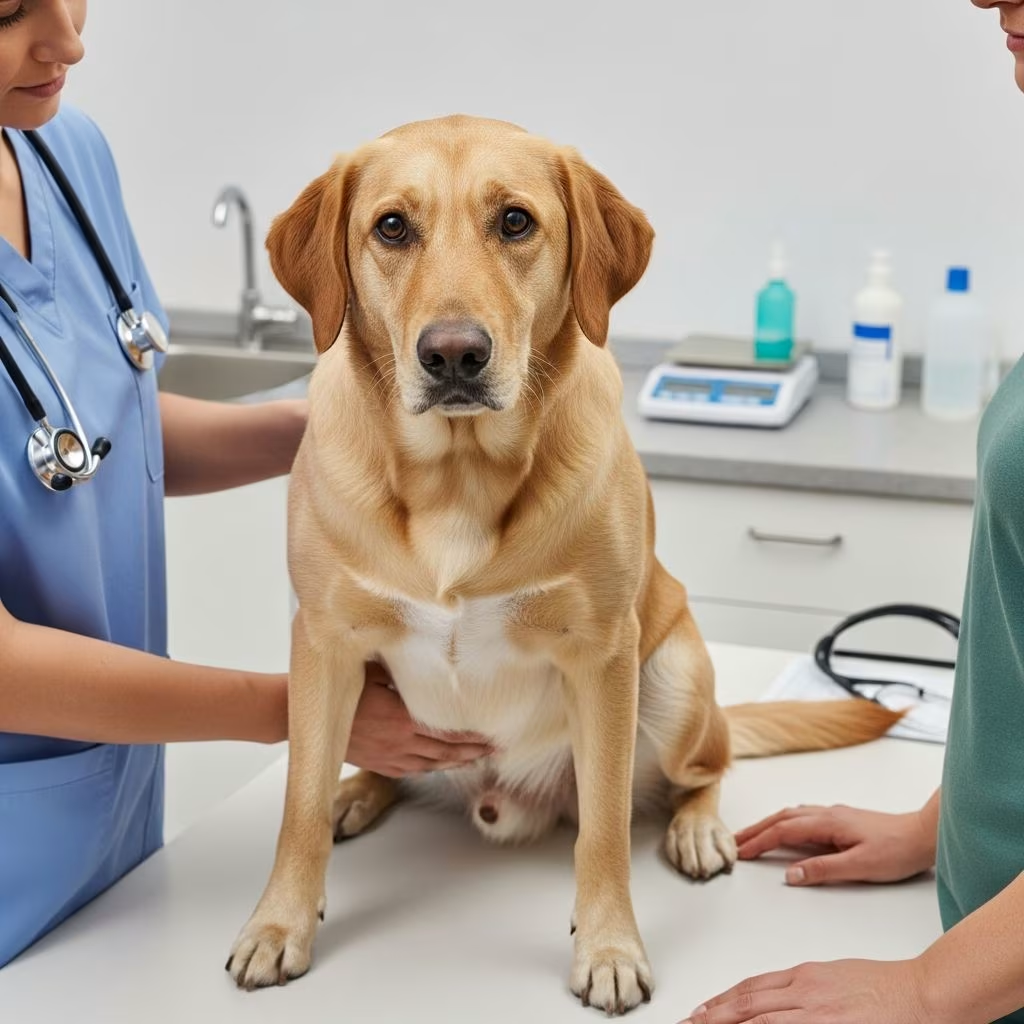
A dog that suddenly stops peeing or struggles to urinate faces a potentially life-threatening situation. This condition, known as urinary retention or anuria, demands quick recognition of symptoms and prompt veterinary intervention to avoid severe complications like kidney failure or bladder rupture.
Recognizing the Warning Signals
Observing your dog’s bathroom habits is key to early detection. Normal dogs urinate several times daily, producing a steady stream. When this changes, note these common indicators:
- Straining or squatting repeatedly without urine output
- Whining, crying, or showing discomfort during attempts to pee
- Frequent licking at the genital area
- Small dribbles of urine or blood-tinged drops
- Distended or painful abdomen upon gentle palpation
- Lethargy, weakness, vomiting, or loss of appetite
These signs often escalate quickly. A partial blockage might allow dribbles, but complete obstruction halts flow entirely, building dangerous pressure in the bladder.
Primary Causes Behind Urinary Difficulties
Several factors can prevent normal urination. Understanding them helps owners act decisively.
Infections in the Urinary System
Urinary tract infections (UTIs) top the list, especially in females due to shorter urethras. Bacteria invade the bladder or urethra, sparking inflammation that makes voiding painful. Dogs may strain futilely, pass bloody urine, or lick excessively. Untreated UTIs can ascend to kidneys, worsening outcomes.
Obstructions Blocking the Flow
Blockages are emergencies, more prevalent in male dogs with narrower urethras. Culprits include:
| Cause | Description | Risk Level |
|---|---|---|
| Bladder or Kidney Stones | Mineral buildup clogs the urethra; common and painful | High – May require surgery |
| Urethral Plugs or Clots | Mucus, crystals, or blood solidify into plugs | High |
| Tumors or Strictures | Growths narrow the pathway | Critical |
| Prostate Enlargement | Affects intact males, compressing urethra | Moderate to High |
These halt urine entirely, risking toxin buildup.
Kidney and Systemic Disorders
Kidney disease impairs urine production (anuria), stemming from chronic failure, infections, or toxins. Symptoms pair with thirst, weight loss, and vomiting. Diabetes or neurological issues like spinal trauma can weaken bladder muscles (detrusor atony), preventing squeezing.
Behavioral and Environmental Factors
Not all cases are medical. Stress from moves, new pets, or irregular schedules leads some dogs to hold urine, risking irritation or infection. Dehydration from illness or heat reduces output. Puppies or seniors may struggle due to weak control.
Why Delaying Action is Dangerous
Time is critical. Without urination, kidneys fail as waste accumulates (azotemia), progressing to uremia with high potassium causing heart arrhythmias, collapse, or death. Bladder overdistension risks rupture, spilling toxins into the abdomen. Within 24-48 hours, survival odds plummet without care.
Males face higher blockage risks; any straining in them warrants immediate vet visits. Females with UTIs need antibiotics swiftly to halt spread.
Diagnostic Steps at the Vet
Vets follow a systematic approach:
- History and Exam: Review symptoms, diet, and recent changes; check abdomen, genitals, and neurology.
- Urinalysis: If possible, analyze urine for bacteria, crystals, blood.
- Imaging: Ultrasound or X-rays detect stones, tumors, bladder position.
- Blood Tests: Assess kidney function (BUN, creatinine), electrolytes, infection markers.
- Rectal Exam: In males, probes prostate and lower urethra.
These pinpoint issues rapidly, guiding therapy.
Treatment Options Tailored to the Cause
Interventions vary by diagnosis:
- UTIs: Antibiotics, pain relief, increased water intake.
- Blockages: Catheterization relieves pressure; surgery for stones/tumors. IV fluids flush toxins.
- Kidney Issues: Supportive care like fluids, diet changes, medications to manage failure.
- Behavioral: Schedule adjustments, anxiety reducers.
Hospitalization often follows emergencies, with monitoring until stable.
Preventive Strategies for Long-Term Health
Proactive steps reduce risks:
- Encourage daily water intake with fresh bowls or fountains.
- Feed urinary health diets low in minerals if prone to stones.
- Provide 3-5 potty breaks daily, more for pups/seniors.
- Neuter males to shrink prostate risks.
- Monitor for early UTI signs during routine checkups.
- Avoid human meds or toxins like antifreeze.
Annual bloodwork screens kidney function in older dogs.
When to Rush to the Vet
Act now if:
- No urine in 12-24 hours.
- Straining with cries or blood.
- Swollen belly, vomiting, collapse.
Even mild changes merit a call; better safe than sorry.
Frequently Asked Questions (FAQs)
How long can a dog go without peeing safely?
Healthy adults manage 8-10 hours max; puppies/seniors need every 4-6. Beyond that, risks rise sharply.
Is dog not peeing always an emergency?
Complete blockages are; partial or infrequent issues need prompt checks to prevent escalation.
Can home remedies help a dog not peeing?
No – avoid forcing water or meds. Vet care is essential to prevent harm.
What breeds are prone to urinary blockages?
Males of all breeds, especially small ones like Dachshunds or Bulldogs with anatomy favoring stones.
Does age affect urination problems?
Yes; seniors face kidney decline, incontinence; pups lack control.
References
- Reasons Why Your Dog Won’t Pee — Frontier Veterinary Urgent Care. Accessed 2026. https://frontierveturgentcare.com/blog/dog-wont-pee/
- Insufficient Urine Production in Dogs: Causes, Symptoms, and Treatment — PetCareRx. Accessed 2026. https://www.petcarerx.com/article/insufficient-urine-production-in-dogs-causes-symptoms-and-treatment/6932
- Why Won’t My Dog Pee? — North Kenny Veterinary. Accessed 2026. https://northkennyvet.com/blog/why-wont-my-dog-pee/
- Dog Not Peeing? Causes and When To Call Your Vet — PetMD. Accessed 2026. https://www.petmd.com/dog/symptoms/dog-not-peeing
- Dog Not Peeing? Causes, Implications & Risks — Pawlicy Advisor. Accessed 2026. https://www.pawlicy.com/blog/dog-not-peeing/
- Urinary Retention in Dogs: Signs, Symptoms, Treatments — American Kennel Club. Accessed 2026. https://www.akc.org/expert-advice/health/urinary-retention/
- How Long Can a Dog Go Without Peeing Before It Is Dangerous? — Loveland Regional Animal Hospital. Accessed 2026. https://lovelandregional.com/blog/how-long-can-a-dog-go-without-peeing-before-it-is-dangerous/



