

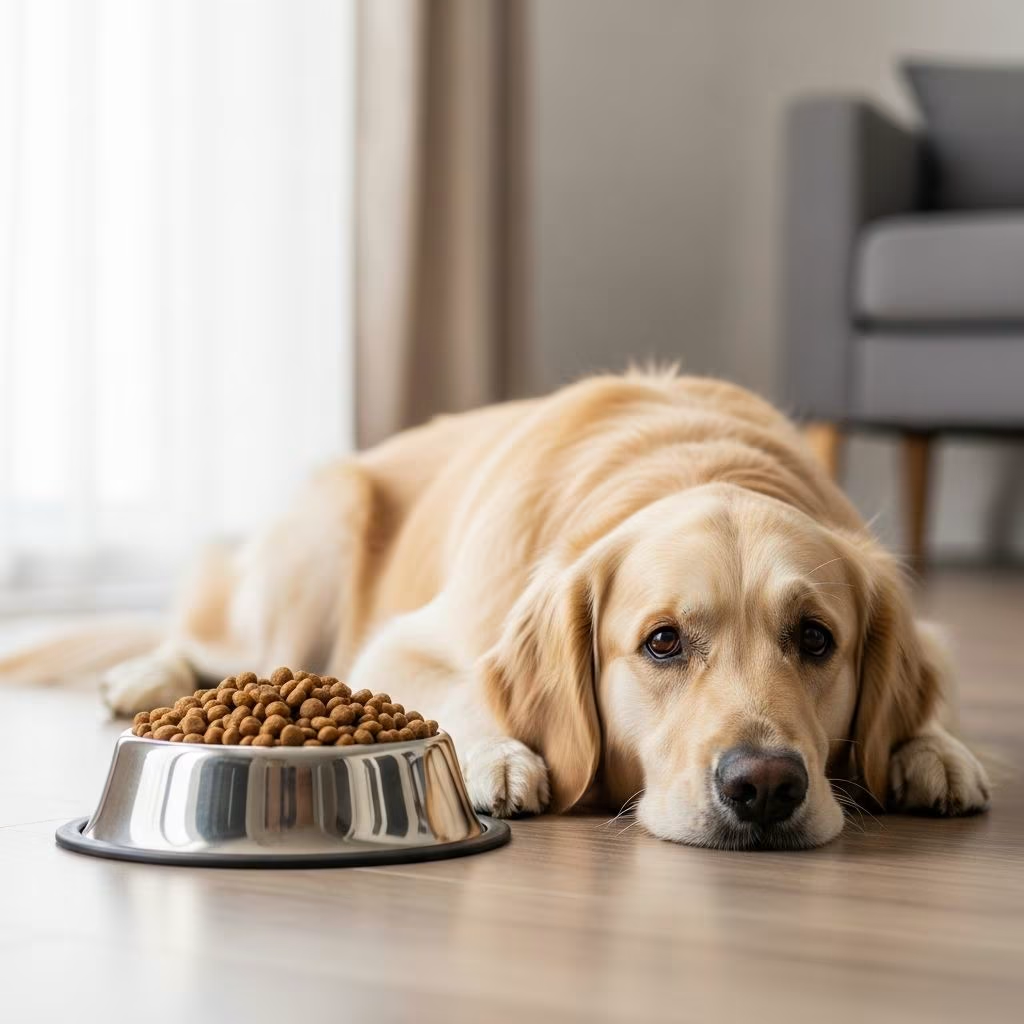
A sudden refusal to eat can alarm any dog owner, as appetite is a key indicator of a pet’s well-being. While occasional pickiness happens, prolonged inappetence often signals underlying problems ranging from minor digestive upset to serious diseases. Understanding the distinction between true anorexia—complete lack of interest in food—and pseudo-anorexia, where dogs want to eat but can’t due to pain or physical barriers, is crucial for timely intervention. This guide breaks down the primary triggers, accompanying symptoms, diagnostic approaches, and actionable steps to restore your dog’s normal eating habits.
Recognizing Appetite Loss in Dogs
Dogs typically eat enthusiastically at mealtimes, so skipping even one or two meals warrants observation. Puppies and seniors are especially vulnerable, as they can’t tolerate extended fasting; puppies risk hypoglycemia, while older dogs may have reduced reserves. Track how long the refusal lasts: adults might manage 24-48 hours, but beyond that, dehydration and nutrient deficits set in quickly.
- Duration matters: 12-24 hours is often benign if isolated; over 48 hours demands professional evaluation.
- Portion refusal: Partial eating (picky behavior) differs from total avoidance.
- Contextual clues: Note changes in water intake, stool consistency, energy levels, and behavior.
Monitor weight weekly using a pet scale or baby scale for small breeds. A 5-10% loss signals urgency, particularly if paired with lethargy or vomiting.
Common Medical Reasons Behind Refusal to Eat
Health issues top the list for appetite suppression. Gastrointestinal disturbances alone account for many cases, but systemic conditions also play roles.
Gastrointestinal Disturbances
From mild indigestion to blockages, gut problems frequently deter eating. Dietary indiscretion—like scavenging garbage—causes temporary nausea, resolving in a day. More severe culprits include inflammatory bowel disease (IBD), gastritis, or foreign object obstructions (e.g., socks or toys), leading to pain and bloating. Parvovirus in unvaccinated puppies presents with bloody diarrhea alongside anorexia, requiring immediate isolation and treatment.
- Signs: Vomiting, diarrhea, abdominal distension, straining to defecate.
- Intervention: Withhold food 12-24 hours, offer bland diet (boiled chicken/rice), but vet check for persistence.
Dental and Oral Pain
Painful mouths make chewing unbearable. Periodontal disease, fractured teeth, gingivitis, stomatitis, or abscesses cause inflammation, bad breath, and drooling. Dogs may eat soft foods only or favor one side. Advanced cases involve TMJ issues or oral tumors.
| Condition | Symptoms | Prevalence |
|---|---|---|
| Gingivitis/Stomatitis | Red gums, bleeding, reluctance to chew | Common in small breeds |
| Fractured Tooth/Abscess | Swelling, pawing at mouth, foul odor | Often from hard chews |
| Periodontal Disease | Tartar buildup, loose teeth, drooling | 80% of dogs over 3 years |
Regular brushing and dental chews prevent escalation; professional cleanings under anesthesia address roots.
Systemic and Organ Diseases
Chronic conditions like kidney failure, liver disease, pancreatitis, or heart issues induce nausea via toxin buildup or poor oxygenation. Cancer, infections (e.g., heartworm), or hormonal imbalances (hypothyroidism) further suppress hunger. Jaundice (yellowing) hints at liver trouble.
- Kidney/Liver: Increased thirst, weight loss, pale gums.
- Pancreatitis: Severe vomiting, hunched posture.
- Cancer: Gradual decline, lumps, fatigue.
Musculoskeletal and Neurological Factors
Arthritis or hip dysplasia pains bending to bowls; back injuries limit mobility. Cognitive dysfunction in seniors mimics disinterest. Neurological issues impair chewing/swallowing.
Behavioral and Environmental Triggers
Not all cases stem from illness. Stress from moves, new pets, or fireworks spikes cortisol, curbing appetite. Picky eaters reject formula changes; recent vaccines or meds cause transient side effects. High heat reduces interest, as does competition in multi-pet homes.
- Fear/Anxiety: Trembling, hiding, destructive behavior.
- Routine Disruptions: Schedule shifts, travel.
- Pickiness: Spoiled by treats; fix by meal-topper limits.
Seniors with cognitive decline forget hunger cues or lose smell acuity, vital for palatability.
Steps to Encourage Eating at Home
Before rushing to the vet, try these vetted strategies, but halt if symptoms worsen.
- Warm and Enhance: Microwave food slightly; add low-sodium broth or fish oil for aroma.
- Bland Transition: Boiled turkey/rice or prescription diets soothe stomachs.
- Elevate Bowls: For joint pain; slow-feeders prevent gulping.
- Hand-Feeding/Small Meals: 4-6 tiny portions daily build interest.
- Exercise: Short walks stimulate hunger.
Avoid human foods high in fat/salt, as they exacerbate issues.
Critical Symptoms Demanding Immediate Vet Care
Don’t delay if these appear:
- Lethargy, weakness, collapse.
- Repeated vomiting/diarrhea (especially bloody).
- Excessive thirst/urination, dehydration (skin tenting).
- Bloating, whining, pale gums.
- Weight loss >10%, puppy refusal >12 hours.
Puppies, pregnant dogs, or diabetics need same-day checks. Vets use bloodwork, imaging, and oral exams for diagnosis.
Diagnostic Process and Long-Term Management
Exams start with history and physicals, progressing to X-rays, ultrasounds, or endoscopies for obstructions. Blood panels detect organ dysfunction. Treatments vary: antibiotics for infections, surgery for masses, fluids for dehydration.
Prevent recurrence via annual checkups, dental routines, balanced diets, and stress minimization. Appetite stimulants like mirtazapine offer short-term aid under guidance.
Frequently Asked Questions (FAQs)
How long can a dog go without eating?
Healthy adults: 3-5 days with water; puppies/seniors: 24 hours max. Always consult vets sooner.
Is it okay if my dog skips one meal?
Yes, if energetic and drinking. Monitor; isolated skips often self-resolve.
What if my dog drinks but won’t eat?
Positive—avoids dehydration—but signals nausea or pain. Vet if >24 hours.
Can stress alone cause prolonged anorexia?
Rarely; persistent cases usually overlay medical issues.
Should I force-feed my dog?
No—risks aspiration. Use syringes for critical cases per vet instruction.
Preventive Strategies for Optimal Canine Appetite
Maintain routines: consistent feeding times/locations foster security. Vaccinate against parvo/distemper; parasite controls prevent GI woes. Dental diets and toys reduce plaque. Monitor seniors for cognitive signs, introducing puzzle feeders to engage minds.
Nutrition matters: Age-appropriate, AAFCO-approved kibble suits most; rotate flavors sparingly to avoid fussiness. Fresh water always; fountains encourage intake.
In multi-dog homes, separate feeding prevents bullying. Track via apps logging intake, weights, stools for trends.
References
- My dog isn’t eating properly — PDSA. 2023. https://www.pdsa.org.uk/pet-help-and-advice/pet-health-hub/symptoms/my-dog-isn-t-eating-properly
- My Dog Is Not Eating: Causes and What To Do — Cherry Creek Vet. 2024. https://www.cherrycreekvet.com/blog/my-dog-is-not-eating-causes-and-what-to-do/
- Anorexia in Dogs — VCA Animal Hospitals. 2024. https://vcahospitals.com/know-your-pet/anorexia-in-dogs
- When Your Dog Stops Eating — Goodheart Animal Health Center. 2024. https://goodheartcherrycreek.com/blog/when-your-dog-stops-eating
- Dog Not Eating? Possible Causes and Appetite Solutions — WebMD. 2024. https://www.webmd.com/pets/dogs/dog-not-eating-possible-causes-and-appetite-solutions
- Why is my dog not eating and what can I do? — Small Door Veterinary. 2024. https://www.smalldoorvet.com/learning-center/what-to-do/dog-wont-eat
- Why Is My Dog Not Eating? Causes and What To Do — PetMD. 2024. https://www.petmd.com/dog/symptoms/why-my-dog-not-eating



