
Dog Not Eating: Causes and Solutions
Discover why your dog refuses food and proven steps to restore their appetite safely at home or with vet help.
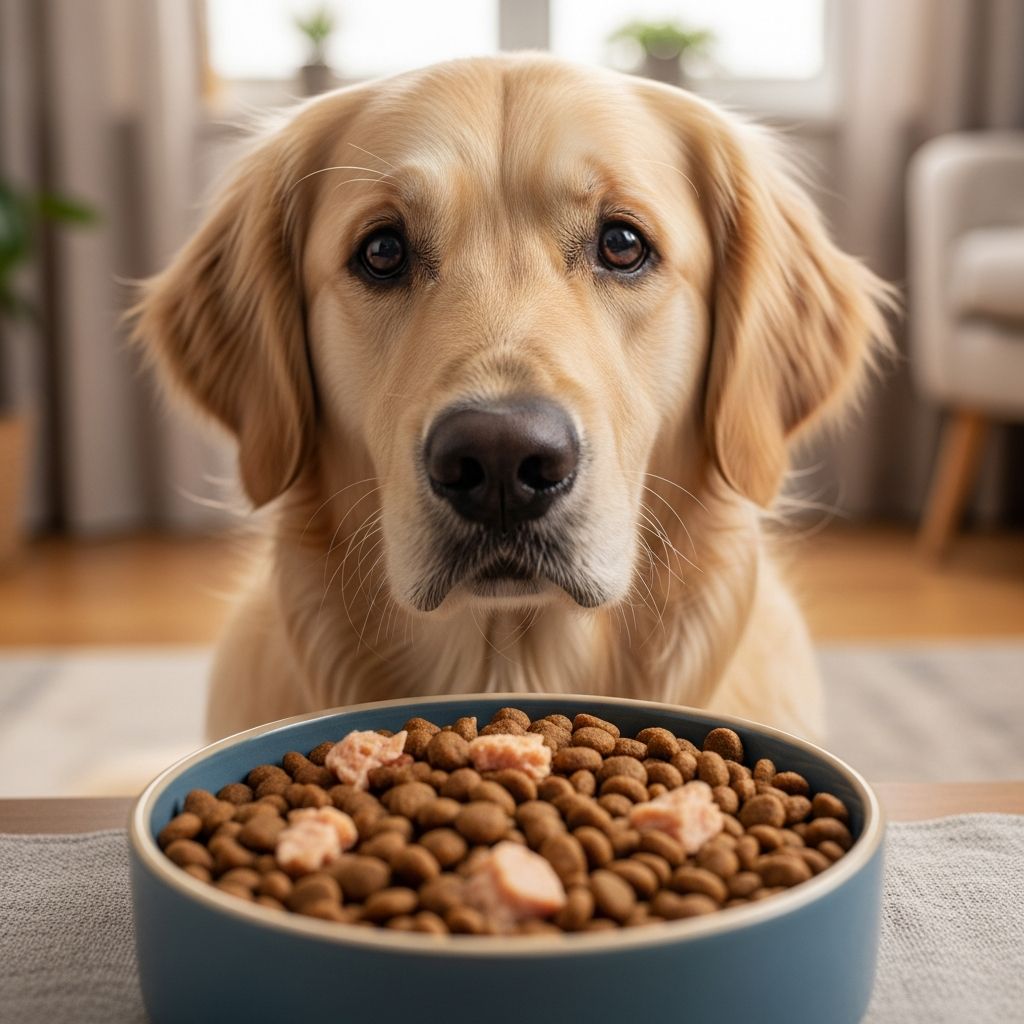
Your dog’s sudden refusal to eat can spark worry, as appetite loss often signals underlying problems ranging from minor stress to serious illness. Identifying the cause quickly allows for timely intervention, potentially preventing dehydration or weight loss that complicates recovery. This guide outlines key triggers, home strategies, and red flags requiring professional care.
Recognizing Appetite Loss in Dogs
Dogs typically eat enthusiastically at mealtimes, so skipping one or two meals warrants observation. Complete refusal for 24-48 hours, especially with other symptoms like lethargy, demands attention. Puppies and seniors face higher risks, as they dehydrate faster and have less fat reserves.
- Normal variations: Skipping a meal after heavy exercise or treats.
- Concerning signs: Persistent refusal despite hunger cues like pacing or whining.
Medical Reasons Behind Refused Meals
Health issues top the list of why dogs stop eating, often making food unappealing due to pain, nausea, or metabolic changes. Gastrointestinal disorders frequently cause temporary aversion, while systemic diseases lead to prolonged anorexia.
| Condition | Symptoms | Impact on Appetite |
|---|---|---|
| Gastrointestinal issues (e.g., parvovirus, IBD, obstructions) | Vomiting, diarrhea, bloating | Severe nausea or pain prevents eating |
| Dental problems (e.g., fractured teeth, abscesses) | Drooling, pawing at mouth, bad breath | Painful chewing leads to food avoidance |
| Organ failure (kidney, liver, pancreatitis) | Lethargy, increased thirst, jaundice | Toxins build-up suppress hunger |
| Cancer or tumors | Weight loss, lumps, persistent fatigue | Masses block digestion or cause systemic effects |
Orthopedic pain from arthritis or hip dysplasia also hinders access to bowls, as lowering the head becomes uncomfortable. Recent vaccinations or medications like antibiotics can temporarily dull appetite via side effects.
Behavioral and Environmental Factors
Not all appetite dips stem from illness; emotional states mimic physical ones. Stress from new homes, routines, or family changes triggers cortisol release, curbing hunger.
- Anxiety or fear: Separation, loud noises, or phobias cause refusal, sometimes needing anti-anxiety meds like fluoxetine.
- New environments: Adopted dogs may skip meals for 1-2 days while adjusting.
- Cognitive issues in seniors: Dementia reduces interest in food or routines.
Picky habits develop from overfeeding treats or inconsistent rules, teaching dogs to hold out for better options. Dirty bowls with soap residue or old food scents further deter eating.
Assessing the Situation at Home
Before panicking, rule out simple fixes. Track intake over 24 hours, noting stool quality, energy, and gum color (pale or sticky signals dehydration). Offer food at consistent times in a quiet spot.
Duration guidelines:
- Puppies/kittens: Vet after 12-24 hours.
- Adults: Monitor 48 hours if healthy otherwise.
- Any vomiting/diarrhea: Immediate ER.
Practical Ways to Encourage Eating
Enhance appeal without fostering pickiness. Warm food slightly to release aromas, or hand-feed small amounts to rebuild interest.
Diet Adjustments
Switch to bland boiled chicken and rice (no allergies) for 1-2 days to soothe stomachs, then taper back to regular kibble. Avoid human scraps to prevent pancreatitis.
- Top kibble with low-sodium broth.
- Elevate bowls for joint-pained dogs.
- Portion correctly per weight/activity to avoid overfeeding.
Exercise and Routine Tweaks
A 20-minute walk before meals stimulates hunger. Minimize stressors by maintaining schedules and using calming aids like pheromone diffusers.
Veterinary Interventions for Stubborn Cases
If home efforts fail, vets diagnose via exams, bloodwork, or imaging. Treatments match causes:
- Appetite stimulants: Mirtazapine or capromorelin (Entyce) boost hunger short-term.
- Anti-nausea: Maropitant (Cerenia) or ondansetron.
- Forced feeding: Syringe liquids or tubes for critical cases.
- Dental care: Cleanings or extractions resolve pain.
Prescription diets support recovery from chronic issues like kidney disease.
Preventing Future Appetite Problems
Proactive care keeps eating consistent. Annual dental checks, balanced diets, and dental chews reduce oral issues. Limit treats to 10% daily calories and rotate flavors gradually.
- Monitor weight monthly.
- Vaccinate on schedule but watch post-shot.
- Socialize early to build resilience.
When to Rush to the Vet
Don’t delay for these emergencies: refusal over 72 hours, abdominal pain (yelping, hunched posture), blood in stool/vomit, or collapse. Puppies, diabetics, or heart patients need faster action.
Frequently Asked Questions
Will my dog starve if they skip a few meals?
Healthy adults tolerate 3-5 days, but risks rise quickly—intervene early.
Is it okay to force-feed?
Avoid unless vet-guided; it stresses and risks aspiration.
How long after new food before worry?
Transition slowly over 7-10 days; sudden refusal signals issues.
Can stress alone cause prolonged refusal?
Usually resolves in 48 hours; persistent needs med check.
What if my senior dog stops eating?
Cognitive or organ decline common—vet exam essential.
References
- Dog Not Eating? Possible Causes and Appetite Solutions — WebMD. 2023. https://www.webmd.com/pets/dogs/dog-not-eating-possible-causes-and-appetite-solutions
- Why Is My Dog Not Eating? Causes and What To Do — PetMD. 2024. https://www.petmd.com/dog/symptoms/why-my-dog-not-eating
- What to Do When Your Dog Isn’t Eating — PetNest Animal Hospital. 2024-08-03. https://petnestanimalhospital.com/2024/08/03/dog-not-eating-tips/
- My Dog Is Not Eating: Causes and What To Do — Cherry Creek Vet. 2023. https://www.cherrycreekvet.com/blog/my-dog-is-not-eating-causes-and-what-to-do/
- Why Is My Dog Not Eating? — Blue Ridge Farmers Co-op. 2024. https://blueridgefarmerscoop.com/blogs/news/why-is-my-dog-not-eating
- Why is my dog not eating and what can I do? — Small Door Veterinary. 2024. https://www.smalldoorvet.com/learning-center/what-to-do/dog-wont-eat
Similar Articles








Read full bio of Sneha Tete




