

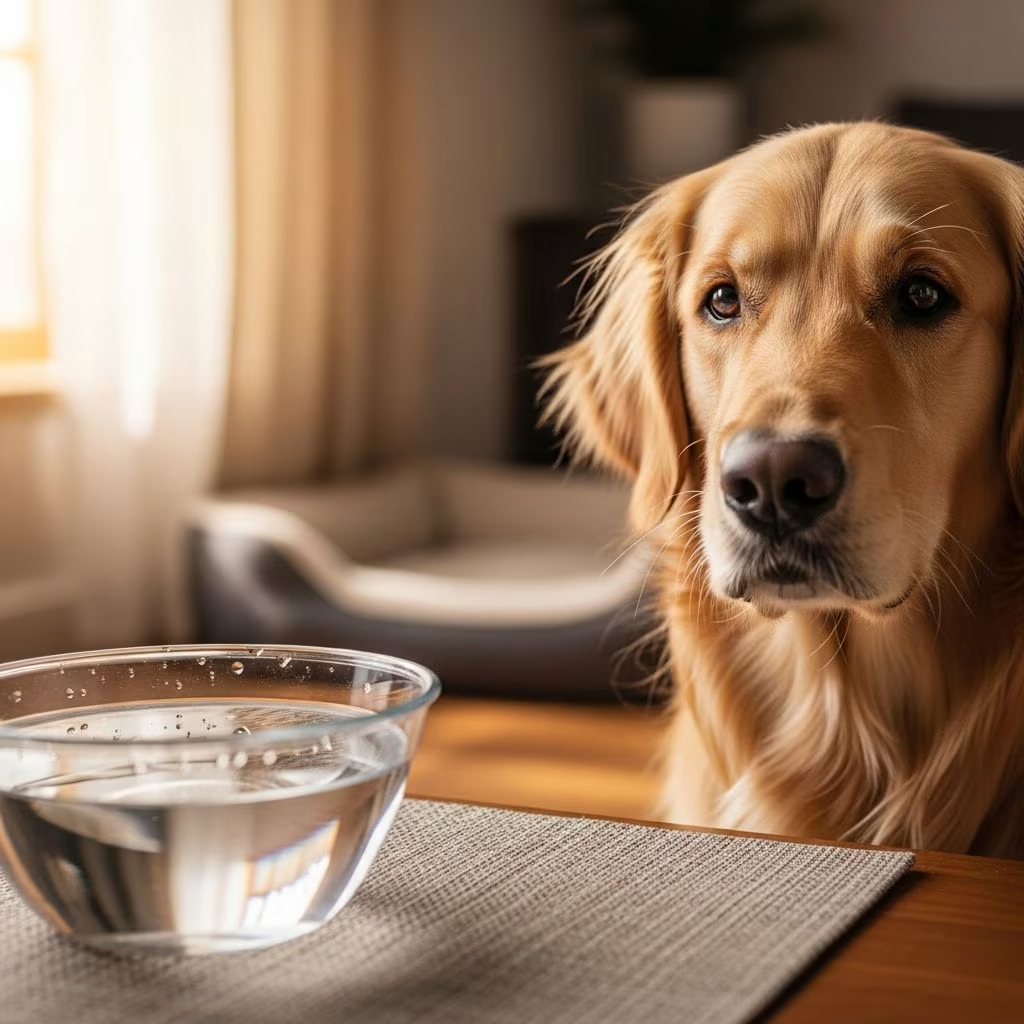
Your dog’s reluctance to drink water can signal anything from minor adjustments to serious health concerns. Understanding the underlying factors helps you respond effectively, ensuring your pet stays hydrated and healthy.
Understanding Hydration Needs in Dogs
Dogs require consistent water intake to support vital functions like temperature regulation, digestion, and organ health. On average, a healthy dog needs about one ounce of water per pound of body weight daily, though this varies with size, activity level, diet, and climate. Larger or active dogs demand more, while those on moist canned food may drink less directly from bowls.
Dehydration sets in quickly without adequate fluids—symptoms like dry gums, lethargy, and sunken eyes can appear within 24 hours, with severe risks after 72 hours. Monitoring daily intake by measuring bowl levels is key to spotting issues early.
Health-Related Causes for Reduced Water Intake
Medical conditions often suppress thirst or make drinking painful. Prompt veterinary evaluation is essential if refusal persists beyond a day, especially with other symptoms.
- Dental and Oral Pain: Tooth decay, gingivitis, or injuries cause discomfort when lapping water, particularly cold varieties. Dogs may eat solid food but skip drinks.
- Urinary and Bladder Infections: Painful urination or frequent attempts signal infections that reduce thirst and appetite. Look for accidents indoors or straining.
- Gastrointestinal Upset: Nausea from bad food, toxins, or illnesses like gastroenteritis leads to aversion. Vomiting or diarrhea often follows.
- Kidney Disease or Diabetes: These disrupt thirst signals; chronic cases in seniors warrant bloodwork.
- Arthritis and Mobility Issues: Older dogs struggle to reach bowls due to joint pain or stiffness.
Age-Specific Factors Affecting Thirst
Senior dogs frequently drink less due to diminished thirst mechanisms, reduced activity, or comorbidities like nausea. Puppies, conversely, might seem finicky during teething but rarely face chronic issues. For aging pets, vets may prescribe appetite stimulants or pain relief to restore normal patterns.
| Age Group | Common Thirst Changes | Associated Risks |
|---|---|---|
| Puppy | Teething discomfort | Dehydration from play |
| Adult | Stable, activity-driven | Infections, stress |
| Senior | Declining signals | Kidney issues, arthritis |
Environmental and Behavioral Triggers
Non-medical reasons often stem from surroundings or emotions, easily fixed with tweaks.
- Dirty or Unappealing Water: Bacterial film in bowls alters taste and smell; clean daily and dishwasher weekly.
- Bowl Changes: New materials (plastic/metal) or locations deter use—elevate for comfort or try ceramics.
- Stress and Anxiety: Moves, travel, or loud noises suppress appetite for water.
- Weather Shifts: Cooler temps reduce thirst post-exercise.
- Hidden Hydration Sources: Dogs may sip from toilets, plants, or moist food, bypassing bowls.
Practical Strategies to Boost Water Consumption
Encourage drinking through appealing options without forcing.
- Freshen Supply: Use filtered water, refresh multiple times daily, add ice cubes for appeal.
- Diet Adjustments: Mix water into kibble or switch temporarily to wet food for moisture.
- Flavor Enhancers: Add low-sodium broth or tuna water (unsalted) to entice.
- Multiple Stations: Place bowls in quiet, accessible spots around home.
- Fountains: Moving water attracts picky drinkers via natural appeal.
For stubborn cases, track intake over 24 hours: weigh bowls morning/evening. If under half normal, consult a vet.
Recognizing Dehydration and Urgency
Check gums (moist/pink = good; sticky/tacky = early dehydration). Other signs: panting, weakness, elastic skin. Act fast—IV fluids may be needed for severe cases.
- Not drinking 12+ hours + lethargy: Vet visit.
- With vomiting/diarrhea: Emergency care.
- Sudden refusal in seniors: Immediate check.
Preventive Measures for Long-Term Hydration
Build habits: Annual dental cleanings prevent pain-related refusal. Exercise maintains thirst. Monitor during heatwaves or diet changes.
Frequently Asked Questions (FAQs)
How long can a dog go without water?
Up to 72 hours max, but symptoms start at 24 hours—don’t test limits.
Why does my dog drink from the toilet but not bowl?
Toilet water is fresh/cool; clean bowls mimic this.
Is it okay if my dog eats but skips water?
No—eating without drinking risks dehydration; probe dental/GI issues.
Can medications cause less drinking?
Yes, some suppress thirst—discuss with vet.
What if my dog only drinks at night?
Possible stress or bowl access; observe patterns.
This comprehensive guide equips you to address hydration lapses swiftly. Prioritize observation and professional input for your dog’s well-being.
References
- Why is Your Dog Not Drinking Water — Bulverde Animal Hospital. 2023. https://bulverdeanimalhospital.com/blog/why-is-your-dog-not-drinking-water/
- Dog Won’t Drink Water: Top 6 Reasons Why — Emergency Veterinary Care Centers. 2023. https://evcc.com/blog/dog-wont-drink-water/
- Reasons Why Your Dog is Not Drinking Water — Whole Dog Journal. 2024-01-15. https://www.whole-dog-journal.com/health/reasons-why-your-dog-is-not-drinking-water/
- Dog Not Drinking Water? Possible Causes and When To Call Your Vet — PetMD. 2024. https://www.petmd.com/dog/symptoms/dog-not-drinking-water
- Why Is My Dog Not Drinking Water But Eating? — Yummy Combs / Pets Best Life. 2023. https://petsbestlife.com/blog/why-is-my-dog-not-drinking-water-but-eating/
- Why Is My Dog Not Drinking Water but Eating? — Mills Animal Clinic. 2024. https://millsmarietta.com/blog/why-is-my-dog-not-drinking-water-but-eating/
- My Dog is Not Drinking Water – Causes & Solutions — VEG ER for Pets. 2023. https://www.veg.com/post/dog-wont-drink-water



