Dog Not Drinking Water: Causes and Solutions
Discover why your dog might skip water, spot dehydration risks early, and learn vet-approved ways to keep them hydrated safely.
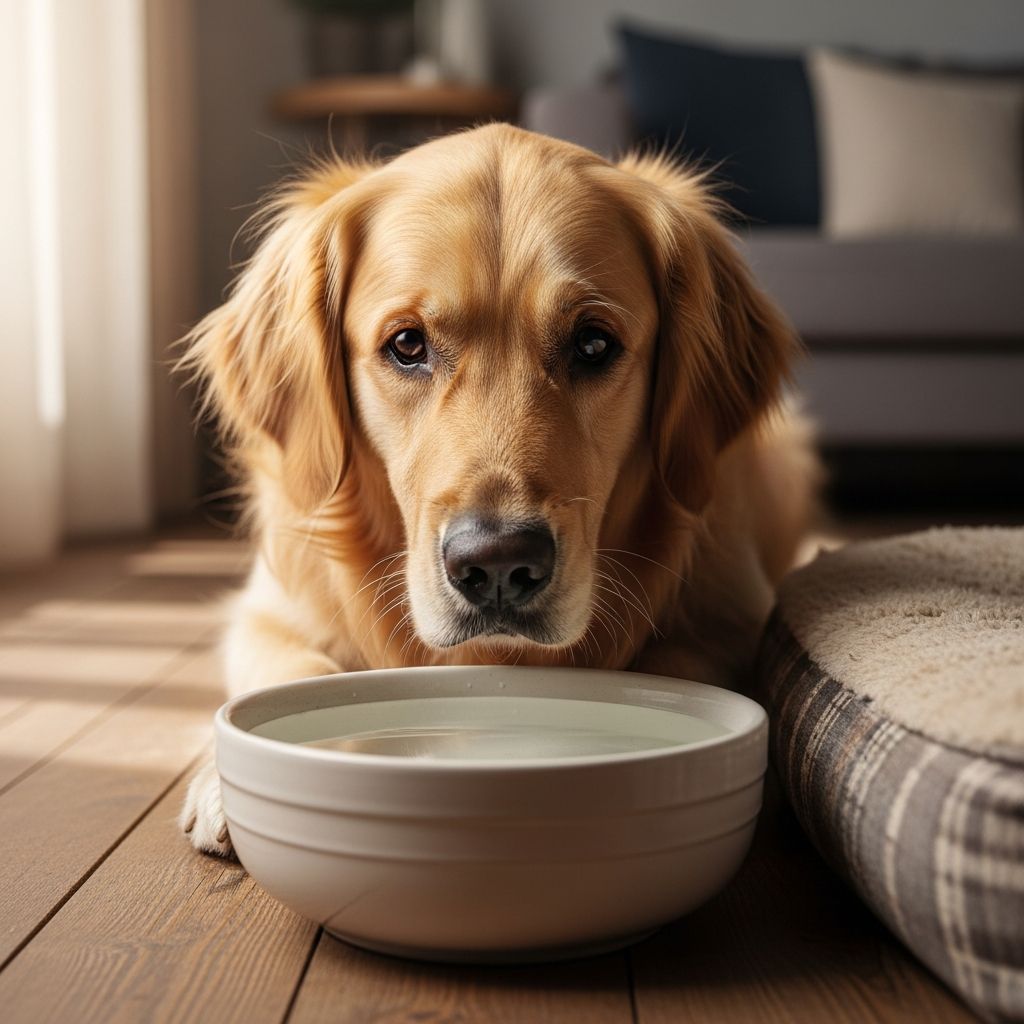
Your dog’s reluctance to drink water can signal anything from simple preferences to serious health issues. Prompt recognition of this behavior prevents dehydration, a condition that impairs organ function and electrolyte balance in canines.
Understanding Hydration Needs in Dogs
Dogs require consistent water intake to regulate body temperature, aid digestion, and support kidney function. Typically, a healthy dog drinks about one ounce of water per pound of body weight daily, though this varies with diet, activity, and climate. Canned food, with its high moisture content, reduces the need for extra drinking compared to dry kibble.
When intake drops, the body pulls fluids from cells, disrupting electrolyte levels like sodium and potassium, which are crucial for muscle and organ performance. Nursing mothers or active dogs in heat demand even more to offset losses from panting or milk production.
Common Triggers for Reduced Water Intake
Several factors can explain why a dog ignores its bowl. Identifying the root cause involves observing patterns in behavior, environment, and health.
Environmental and Routine Influences
- Cooler temperatures: Less exertion in winter naturally lowers thirst, as dogs lose less fluid through panting.
- Dirty or unappealing bowls: Stagnant water with algae, debris, or off odors discourages drinking; dogs prefer fresh, cool sources.
- Water quality or temperature: Sensitive noses reject chlorinated tap water or overly warm liquid, especially if teeth are tender.
Stress-Related Behavioral Shifts
Anxiety from travel, new homes, fireworks, or separation can suppress appetite and thirst, mimicking nausea. Depressed or stressed dogs may simply lack interest in routine activities like drinking.
Dietary Factors
Dogs on wet food diets often drink less because they meet hydration needs through meals. Recent diet switches might also cause temporary disinterest if flavors clash.
Health Conditions Causing Water Avoidance
Medical problems often underlie persistent refusal. Pain or illness makes hydration unappealing or difficult.
Oral and Dental Discomfort
Tooth decay, gum inflammation, or mouth injuries cause pain when lapping water, especially cold varieties. Dogs may eat solids but skip liquids to avoid aggravating sores.
Gastrointestinal Distress
Nausea from dietary mishaps, infections, or conditions like inflammatory bowel disease prompts water avoidance alongside vomiting or loose stools.
| Condition | Symptoms | Why It Affects Drinking |
|---|---|---|
| Dental Pain | Swollen gums, bad breath | Pain on contact with water |
| Gastroenteritis | Vomiting, diarrhea | Nausea suppresses thirst |
| Arthritis | Limping, stiffness | Difficulty reaching bowl |
Mobility Challenges in Senior Dogs
Aging joints stiffen, making it hard for older dogs to approach water bowls. Pain from arthritis leads to refusal even when thirsty.
Systemic Illnesses
Kidney disease, diabetes, cancer, or urinary infections alter thirst signals or cause discomfort. Affected dogs feel generally unwell, reducing all drives including hydration.
Spotting Dehydration Early: Key Indicators
Dehydration progresses quickly in dogs. Check these signs daily if water intake seems low.
- Skin turgor test: Pinch skin on the neck; it should snap back instantly. Slow return signals mild dehydration.
- Gum check: Moist, pink gums that blanch briefly then refill color within 2 seconds are normal. Sticky, pale, or slow-refilling gums indicate problems.
- Eye appearance: Sunken or dull eyes show fluid loss around tissues.
Advanced symptoms include excessive panting, weakness, confusion, vomiting, diarrhea, or collapse from organ stress.
Mild vs. Severe Dehydration Comparison
| Mild Signs | Severe Signs |
|---|---|
| Lethargy Sticky gums Dry nose | Collapse Dark red gums Seizures |
| Panting Thick saliva | Disorientation Difficulty breathing |
Immediate Steps to Encourage Drinking
Never force water, as it risks aspiration. Instead, try these vet-suggested tactics while monitoring.
- Offer fresh, filtered water multiple times daily in clean bowls.
- Add low-sodium broth or tuna water (no salt) for flavor.
- Provide ice cubes for licking or multiple bowls around the home.
- Elevate bowls for seniors or use pet fountains for flowing appeal.
- Incorporate wet food or mix water into kibble.
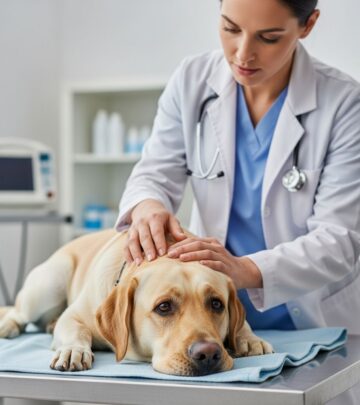
If no improvement in 24 hours or dehydration signs appear, seek veterinary care immediately.
Veterinary Interventions for Hydration
Vets diagnose via exams, bloodwork, or imaging to pinpoint causes like infections or organ issues. Treatments include:
- Subcutaneous fluids: Injections under skin for gradual rehydration.
- IV therapy: For severe cases, delivering electrolytes directly into veins.
- Medications for pain, nausea, or underlying diseases.
Early intervention prevents complications like kidney failure.
Preventing Hydration Problems Long-Term
Home Strategies
Track daily intake, refresh bowls often, and adjust for weather—more in summer. Annual dental checks prevent oral pain.
Breed and Age Considerations
Brachycephalic breeds like Bulldogs pant more, needing extra water. Puppies and seniors are prone to imbalances.
Frequently Asked Questions (FAQs)
How long can a dog safely go without water?
Dogs tolerate 24-48 hours max before severe dehydration risks organ damage. Factors like heat shorten this.
What if my dog eats but won’t drink?
This often points to mouth pain or nausea. Check gums and consult a vet promptly.
Can dehydration cause permanent harm?
Yes, prolonged cases lead to kidney strain or shock. Mild episodes resolve with fluids.
Is it okay to add flavor to water?
Yes, use vet-approved, unsalted options sparingly to entice without upsetting stomach.
When is a vet visit urgent?
If gums are tacky, skin tents, or lethargy persists, go immediately—don’t wait.
Monitoring Tools for Pet Owners
Use apps to log intake or automatic feeders with water reminders. Regular weigh-ins detect subtle fluid loss.
By staying vigilant, you ensure your dog’s vitality. Hydration underpins every bodily function, making it a cornerstone of care.
References
- Dog Not Drinking Water? Possible Causes and When To Call Your Vet — PetMD. 2023. https://www.petmd.com/dog/symptoms/dog-not-drinking-water
- What Are the Signs of Dehydration in Dogs? — Zoetis Petcare. 2023. https://www.zoetispetcare.com/blog/article/signs-dehydration-dogs
- Dehydration in Dogs: Signs, Symptoms, Treatments — American Kennel Club. 2023. https://www.akc.org/expert-advice/health/warning-signs-dehydration-dogs/
- Why Is My Dog Not Drinking Water but Eating? — Mills Animal Hospital. 2023. https://millsmarietta.com/blog/why-is-my-dog-not-drinking-water-but-eating/
- Signs Your Dog Isn’t Drinking Enough — Olde Towne Animal Hospital. 2023. https://www.oldetowneanimalhosp.com/signs-your-dog-isnt-drinking-enough/
Similar Articles




Read full bio of Sneha Tete