Dog Nosebleeds: Causes and Care
Discover the reasons behind your dog's nosebleeds, from minor injuries to serious illnesses, and learn vital steps for immediate response and long-term management.
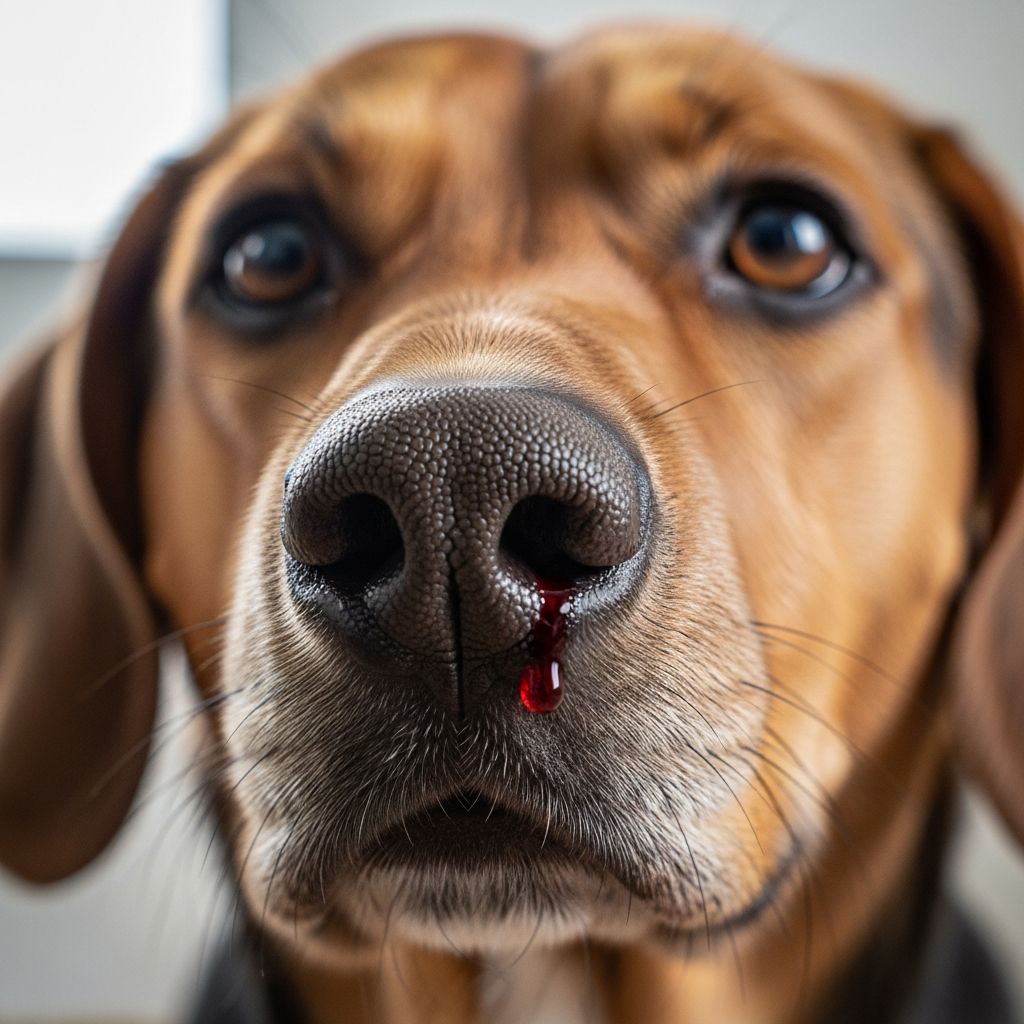
Epistaxis, the medical term for nosebleeds in dogs, occurs when blood vessels in the nasal passages rupture, leading to bleeding from one or both nostrils. This condition can range from a minor issue due to injury to a sign of severe systemic disease, requiring prompt attention to prevent complications.
Recognizing the Signs of a Nosebleed in Your Dog
Dogs cannot communicate discomfort verbally, so owners must watch for visual cues. Blood may drip steadily, spurt forcefully, or appear as dark clots. Accompanying symptoms often include sneezing, pawing at the face, restlessness, or lethargy. Note whether the bleed is unilateral (one nostril), suggesting a local problem like a foreign object, or bilateral (both nostrils), indicating possible body-wide issues such as clotting defects.
- Bright red blood: Fresh bleeding from the front of the nose.
- Dark blood: Indicates slower flow from deeper vessels.
- One-sided flow: Likely trauma, tumor, or infection in that nostril.
- Both sides: Often linked to toxins, low platelets, or hypertension.
Younger dogs tend to experience nosebleeds from playful injuries or foreign bodies, while seniors face higher risks from tumors or organ failure.
Primary Causes of Nosebleeds in Canines
Understanding the root cause is crucial for effective intervention. Causes divide into local nasal issues and systemic conditions affecting clotting or circulation.
Local Nasal Problems
Trauma tops the list, from bumps during rough play or car accidents damaging delicate nasal mucosa. Foreign objects like grass awns (foxtails) embed in the nose, causing irritation and vessel rupture. Dental infections, such as root abscesses in upper teeth, erode into nasal cavities, leading to persistent bleeding. Tumors, especially nasal adenocarcinomas in older dogs, erode tissues and vessels.
| Cause | Description | Common in Breeds/Ages |
|---|---|---|
| Trauma | Injury to nose from falls or fights | Young, active dogs |
| Foreign Bodies | Grass seeds or debris stuck inside | Hunting breeds |
| Dental Disease | Tooth root infections spreading | Small breeds, seniors |
| Tumors | Cancerous growths in nasal passages | Older dogs (8+ years) |
Systemic and Infectious Triggers
Clotting disorders prevent normal blood coagulation. Inherited conditions like von Willebrand’s disease (common in Dobermans) or hemophilia impair platelet function or factor production. Thrombocytopenia reduces platelet counts, often immune-mediated in breeds like Cocker Spaniels. Rodenticide poisoning (rat bait) destroys vitamin K-dependent factors, causing spontaneous bleeds.
Infections play a major role: fungal (e.g., aspergillosis in dolichocephalic breeds like Greyhounds), bacterial rhinitis, or tick-borne diseases (ehrlichiosis, Rocky Mountain spotted fever). Liver or kidney failure diminishes clotting protein synthesis, while hypertension bursts vessels. Medications like NSAIDs or chemotherapy can thin blood as side effects.
- Toxins: Rat poison leads to severe, recurrent episodes.
- Infections: Fungal in long-nosed dogs; ticks in endemic areas.
- Organ Failure: Liver shunts or chronic kidney disease.
- Allergies/Sinusitis: Chronic inflammation weakens vessels.
Immediate First Aid for Canine Nosebleeds
Stay calm to avoid stressing your dog, which worsens bleeding. Keep the head level or slightly elevated—do not tilt it back, as blood could enter the throat and cause aspiration.
- Gently restrain if needed; muzzle loose biters for safety.
- Apply a cold compress or ice pack wrapped in cloth to the nose bridge for 5-10 minutes to constrict vessels.
- Dab nostrils with clean gauze; avoid deep insertion.
- Monitor for 15-20 minutes; most minor bleeds stop naturally.
Avoid human remedies like hydrogen peroxide or petroleum jelly, which irritate or obstruct. If bleeding persists over 20 minutes, is profuse, or recurs, seek emergency veterinary care immediately.
Diagnostic Approaches in Veterinary Practice
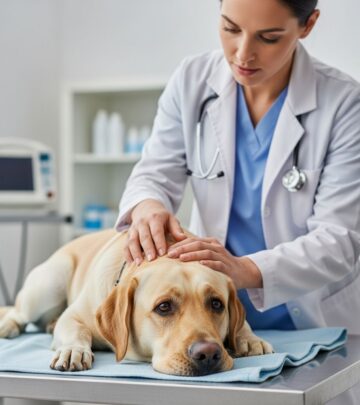
Vets start with history and physical exam, checking for trauma, toxins, or medications. Unilateral vs. bilateral flow guides suspicion.
- Blood Tests: Platelet count, clotting times (PT/PTT), toxicology screen.
- Imaging: X-rays, CT, or rhinoscopy to visualize tumors or objects.
- Biopsy: Tissue samples for cancer or infection confirmation.
- Cultures: For bacterial/fungal identification.
Advanced tools like endoscopy allow foreign body removal under sedation.
Treatment Strategies Tailored to the Cause
Treatment targets the underlying issue after stabilizing the patient.
Stopping the Bleed
Severe cases may require sedation, nasal packing with epinephrine-soaked gauze, or cauterization. Transfusions restore blood volume or clotting factors in toxicity or thrombocytopenia.
Addressing Specific Conditions
| Condition | Treatment Options |
|---|---|
| Trauma/Foreign Body | Surgery or flushing; antibiotics |
| Infection | Antibiotics (doxycycline for ticks), antifungals |
| Clotting Disorder | Vitamin K for toxins; plasma transfusions |
| Tumor | Radiation, chemo, or palliative care |
| Organ Failure | Supportive therapy, diet changes |
Long-term management for allergies includes antihistamines or immunotherapy. NSAIDs should be discontinued if implicated.
Preventing Future Nosebleeds in Dogs
Proactive steps reduce risks: supervise play to prevent injuries, use tick preventives, secure rodenticides, and schedule dental cleanings. Annual bloodwork for seniors detects clotting issues early. Breeds prone to genetic disorders benefit from screening.
- Regular vet checkups.
- Avoid NSAIDs without prescription.
- Manage allergies seasonally.
- Neutering may lower tumor risks in some cases.
When to Worry: Red Flags for Owners
Not all bleeds are emergencies, but watch for pale gums (anemia), collapse, breathing difficulty, or multiple episodes. Older dogs with unilateral bleeds warrant urgent tumor checks.
Frequently Asked Questions (FAQs)
Can a dog nosebleed be fatal?
Rarely from the bleed alone, but untreated causes like tumors or poisoning can be life-threatening. Seek vet help promptly.
Why does my dog have nosebleeds only from one side?
Often local issues like foreign bodies or tumors; bilateral suggests systemic problems.
Is it okay to let a minor dog nosebleed stop on its own?
Yes, for small, short episodes after first aid, but monitor and consult a vet if it repeats.
Do certain breeds get nosebleeds more often?
Dobermans (von Willebrand’s), long-nosed breeds (fungal), small dogs (dental).
How much does diagnosing a dog nosebleed cost?
Basic exam: $100-200; imaging/bloodwork: $300-1000+; varies by location.
Long-Term Prognosis and Home Monitoring
Outcomes depend on cause: trauma recovers fully; tumors have guarded prognosis despite aggressive therapy. Home monitoring involves tracking bleed frequency, appetite, energy, and nasal discharge. Report changes immediately.
(Word count: 1678)
References
- Nosebleed in Dogs – Causes, Treatment and Associated Symptoms — Vetster. 2023. https://vetster.com/en/symptoms/dog/nosebleed
- Nosebleeds in Dogs: What You Need to Know — American Kennel Club (AKC). 2024-01-15. https://www.akc.org/expert-advice/health/dog-nosebleed/
- Nosebleeds in Dogs — PetMD. 2025-02-20. https://www.petmd.com/dog/symptoms/nosebleeds-in-dogs
- Dog Nose Bleed: 13 Causes (And How To Stop the Bleeding) — ToeGrips. 2024. https://toegrips.com/dog-nose-bleed/
- Why is My Dog’s Nose Bleeding? A Vet Explains — VEG ER for Pets. 2023-11-10. https://www.veg.com/post/dog-nosebleed-6-causes
- Dog and Cat Nose Bleeds: Epistaxis — Pet Health Network. 2024. https://www.pethealthnetwork.com/dog-health/dog-diseases-conditions-a-z/dog-and-cat-nose-bleeds-epistaxis
- Nose Bleeds (Epistaxis) in Dogs — VCA Animal Hospitals. 2025. https://vcahospitals.com/know-your-pet/nose-bleeds-or-epistaxis-in-dogs
Similar Articles






Read full bio of Sneha Tete