

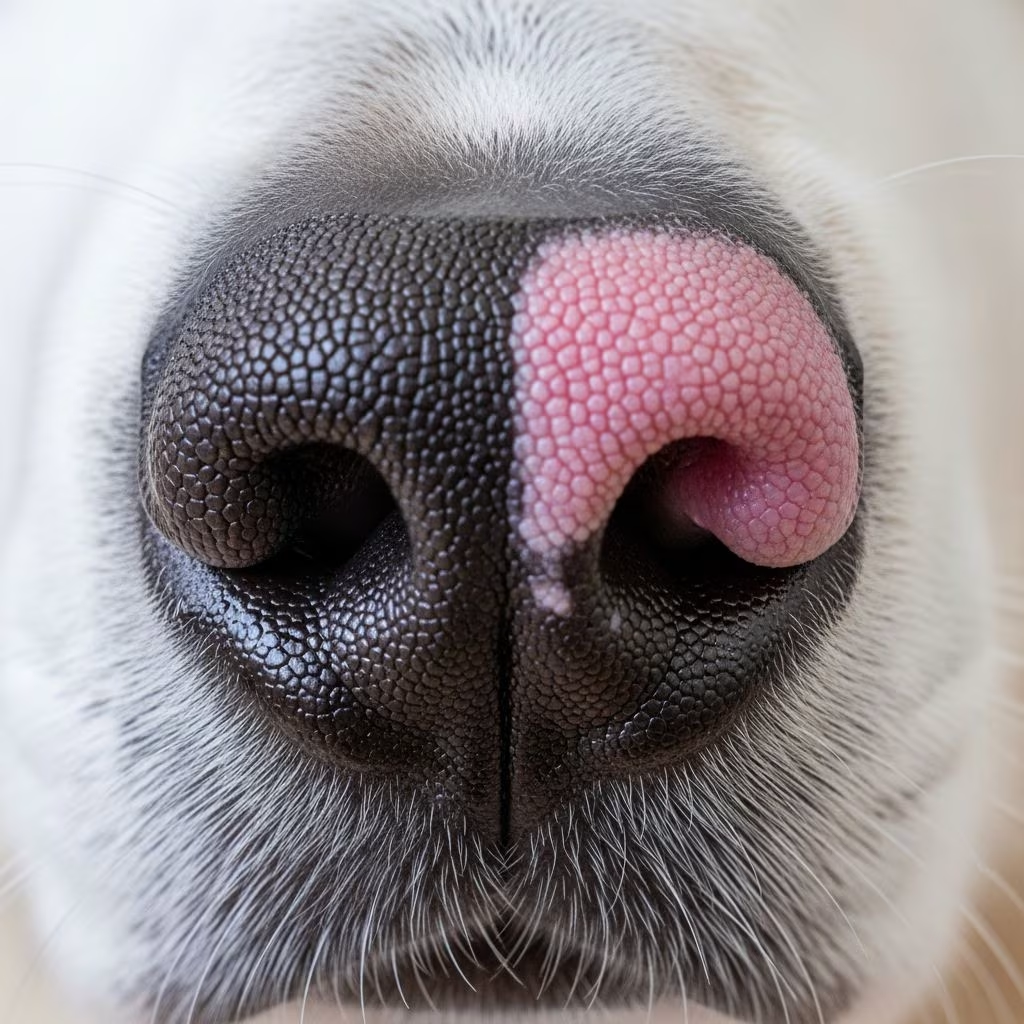
A dog’s nose changing from its typical black or dark brown to a lighter pink hue can alarm many pet owners. This phenomenon, while sometimes harmless, warrants attention to distinguish between normal variations and signs of underlying problems. Understanding the biology of canine nasal pigmentation helps owners respond appropriately.
The Science Behind Canine Nose Pigmentation
Dogs’ noses derive their color primarily from melanin, a pigment produced by specialized cells called melanocytes. The enzyme tyrosinase plays a crucial role in melanin synthesis. Disruptions in this process—due to environmental factors, genetics, or disease—can lead to depigmentation, resulting in a pink appearance.
In healthy dogs, the nose maintains a moist, cool surface with consistent pigmentation. Changes often reflect fluctuations in melanin production rather than structural damage, though accompanying symptoms like crusting or ulcers signal more serious concerns.
Common Benign Reasons for Pink Noses
Many cases of nose color lightening pose no health risk and resolve naturally. Recognizing these helps avoid unnecessary worry.
- Snow Nose: This seasonal condition causes the nose to fade in winter, reverting in spring. Linked to cold sensitivity of tyrosinase and reduced daylight, it commonly affects Siberian Huskies, Labrador Retrievers, and Golden Retrievers. No treatment is needed, as pigment returns with warmer weather and more sunlight.
- Genetic Factors like Dudley Nose: A hereditary trait from TYRP1 gene mutations prevents new pigment formation, leading to lifelong pink noses. Seen in breeds such as yellow Labradors, Irish Setters, and Pointers, it’s purely cosmetic and harmless, though disqualifying in some show standards.
- Age-Related Fading: Older dogs may experience gradual lightening as tyrosinase naturally declines, mimicking snow nose effects without seasonality.
When Pink Noses Signal Health Issues
Not all color changes are innocuous. Persistent or sudden shifts, especially with other symptoms, may indicate medical conditions requiring veterinary intervention.
Autoimmune and Inflammatory Disorders
- Discoid Lupus Erythematosus (DLE): An immune-mediated disease causing depigmentation, ulcers, and crusting on the nose, often extending to lips and eyes. Unlike snow nose, it features texture changes and may bleed if untreated. Topical treatments manage it effectively post-biopsy confirmation.
- Vitiligo: The immune system attacks melanocytes, creating pink or white patches not just on the nose but also eyes, mouth, and body. It’s progressive but non-painful.
- Uveodermatologic Syndrome (VKH-like): Involves eye inflammation alongside pigment loss around the nose and mouth. Prompt treatment prevents vision loss.
Infections and Trauma
Infections can erode pigment through inflammation. Bacterial pyoderma leads to red, crusty noses, often allergy-related. Fungal issues like ringworm cause scaly patches near the muzzle. Trauma from rubbing or injury temporarily pinkens healing tissue, but chronic cases from allergies prevent repigmentation.
Serious Conditions Including Cancer
Rare but critical, cutaneous lymphoma presents with swelling, ulcers, and pigment loss on the nose, lips, and eyelids. Squamous cell carcinoma or other nasal tumors alter color amid growths and discharge. Biopsy is essential for diagnosis.
Breeds Prone to Nose Color Changes
Genetics influence susceptibility. The table below highlights breeds and common associated conditions.
| Breed | Common Condition | Notes |
|---|---|---|
| Siberian Husky | Snow Nose | Seasonal, returns in summer |
| Labrador Retriever | Snow Nose, Dudley Nose | Especially yellow/chocolate varieties |
| Golden Retriever | Snow Nose | Benign hypopigmentation |
| Irish Setter | Dudley Nose | Genetic, permanent |
| Bernese Mountain Dog | Snow Nose | Winter-related fading |
Diagnosing the Cause: What to Watch For
Monitor for red flags beyond color change:
- Crusting, scaling, or ulcers
- Swelling, bleeding, or sores
- Eye redness, squinting, or discharge
- Hair loss, itchiness, or behavioral changes like pawing at the face
- Systemic signs: lethargy, weight loss, or fever
A vet exam may include skin scrapes, biopsies, blood tests for thyroid or autoimmune markers, and imaging for tumors. Early detection improves outcomes.
Treatment Options by Cause
Tailored therapies address root issues:
- Benign Cases: Observation only; moisturizers like pet-safe balms prevent dryness.
- Infections: Antibiotics or antifungals, e.g., for pyoderma or ringworm.
- Autoimmune: Topical steroids, immunosuppressants, or vitamin E supplements for DLE.
- Trauma/Allergies: Address underlying itch with hypoallergenic diets or meds.
- Cancer: Surgery, chemo, or radiation depending on type and stage.
Never use human products on a dog’s nose, as they can irritate sensitive skin.
Preventive Care for Healthy Nose Pigmentation
- Protect from sun: Use dog-safe sunscreen on light noses to prevent burns and further fading.
- Maintain hydration: Ensure fresh water access; dry noses from dehydration mimic pigment loss.
- Balanced diet: Foods rich in antioxidants support skin health.
- Regular check-ups: Annual vet visits catch issues early.
- Avoid irritants: Limit exposure to harsh chemicals or excessive rubbing.
FAQs
Is snow nose dangerous?
No, it’s a temporary, harmless condition tied to seasons and not linked to illness.
Will my dog’s pink nose turn black again?
For snow nose or trauma, yes, with time and proper care. Genetic cases like Dudley nose are permanent.
Should I worry if only part of the nose is pink?
Partial changes are often snow nose, but combined with texture issues, consult a vet.
Can diet affect nose color?
Indirectly, via allergies causing rubbing or poor nutrition impacting skin health.
How do I clean a crusty pink nose safely?
Gently wipe with warm water and vet-approved saline; avoid soaps.
Conclusion: Stay Vigilant for Your Dog’s Well-Being
While a pink dog nose often signals nothing serious, vigilance ensures timely care for potential problems. Regular monitoring and professional advice safeguard your pet’s health.
References
- Why Your Dog’s Nose Changes Color: Is It Serious? — Rover.com. 2023. https://www.rover.com/blog/why-dogs-nose-change-color/
- Snow Nose in Dogs: A Veterinarian Explains — ToeGrips. 2024-01-15. https://toegrips.com/snow-nose-dog/
- Why is My Dog’s Nose Crusty and Losing Pigment — PetPlace.com. 2023-05-10. https://www.petplace.com/article/dogs/pet-health/why-is-dogs-nose-crusty-and-losing-pigment
- Why Is My Dog’s Nose Turning Pink? — Chewy. 2024. https://www.chewy.com/education/dog/health-and-wellness/why-is-my-dogs-nose-turning-pink
- Snow Nose: What Is It and Why Is My Dog’s Nose Turning Pink? — PetMD. 2024-02-20. https://www.petmd.com/dog/general-health/snow-nose-dog
- Loss Of Pigmentation In Dogs — American Kennel Club. 2023-12-01. https://www.akc.org/expert-advice/health/loss-of-pigmentation-in-dogs/



