

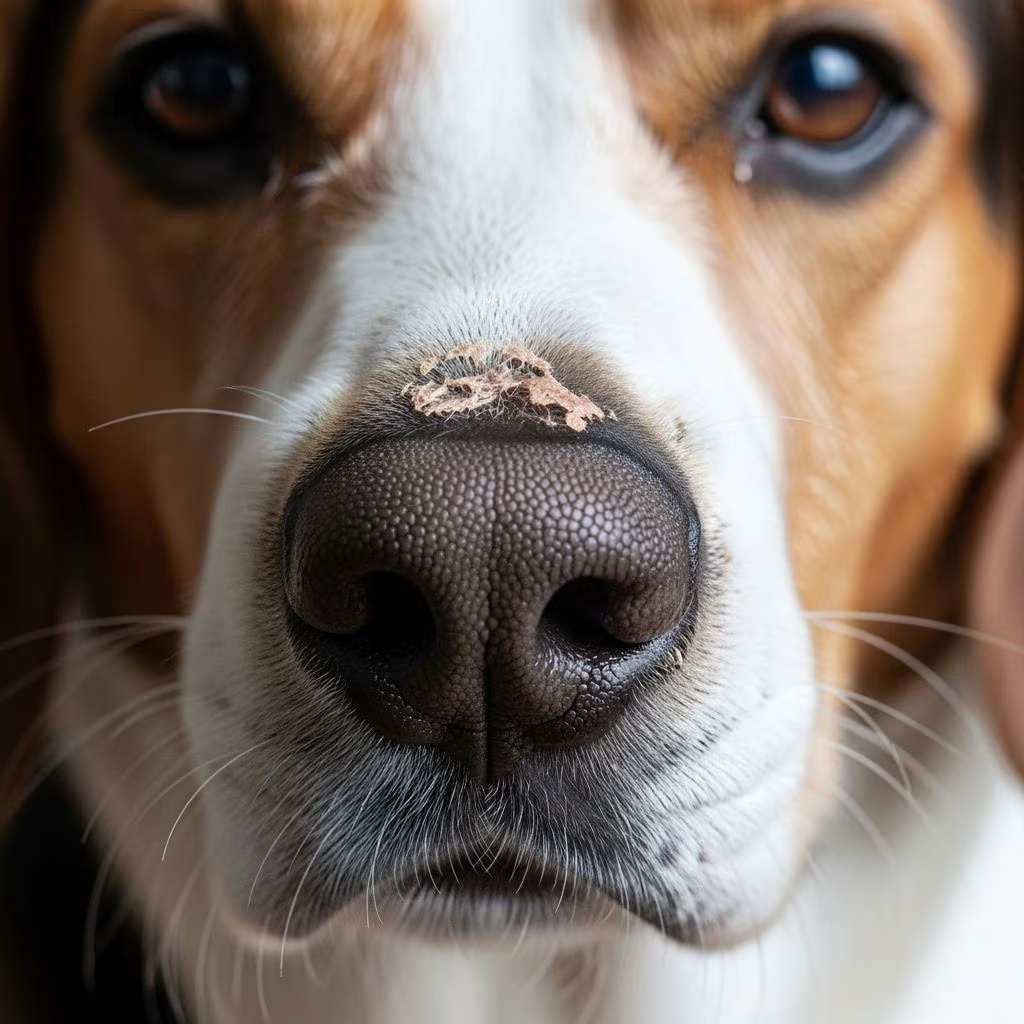
Hair loss on a dog’s nose, medically termed nasal alopecia, signals potential underlying health issues affecting the sensitive skin around the muzzle and nasal planum. This condition disrupts the normal texture and appearance of the nose, often leading to discomfort for the pet. Owners frequently notice bald patches, dryness, or scaling first, prompting concern about their dog’s well-being. Understanding the root causes is crucial for timely intervention, as early veterinary care can prevent progression to more severe problems like infections or chronic irritation.
Recognizing the Signs of Nasal Hair Loss in Dogs
Spotting hair loss on the nose early allows for prompt action. Common indicators include patchy baldness specifically on the bridge or tip of the nose, where fine hairs normally cover the skin. The affected area may appear smooth, shiny, or leathery due to lost follicles. Accompanying symptoms often intensify the issue:
- Flaky or crusty skin buildup around the nostrils.
- Redness, swelling, or inflammation on the muzzle.
- Cracks, ulcers, or open sores that may bleed or ooze.
- Loss of the typical cobblestone texture and pigmentation on the nose leather.
- Nasal discharge, which could be clear, mucoid, or even bloody.
- Sneezing, pawing at the face, or rubbing the nose on surfaces.
These signs vary by cause; for instance, allergic reactions might involve intense itching, while infections produce foul odors or pustules. Any dog breed can be affected, but certain patterns emerge based on age and lifestyle. Puppies might show congenital issues, while outdoor adults face environmental triggers more often.
Primary Causes Behind Nose Hair Loss
Nasal hair loss stems from diverse origins, broadly categorized into genetic, immune-mediated, infectious, and environmental factors. Pinpointing the exact trigger requires professional evaluation, as symptoms overlap significantly.
Genetic Predispositions
Some breeds inherit vulnerabilities that compromise nasal skin integrity. Herding dogs like German Shepherds, Border Collies, and Siberian Huskies often exhibit idiopathic nasal depigmentation or dermatoses due to genetic flaws in skin barrier function. These conditions manifest as progressive hair thinning and lightening of the nose, sometimes without other symptoms.
Allergic Reactions and Atopic Dermatitis
Allergies rank among the top culprits, where the immune system overreacts to environmental allergens like pollen, dust mites, or food proteins. Contact allergies from plastics in bowls or harsh shampoos directly irritate the nose. Flea allergy dermatitis, though typically affecting the back, can extend to the face if the dog grooms excessively. Intense itching leads to self-trauma, rubbing off hair and creating bald spots.
Infections: Bacterial and Fungal Culprits
Bacterial overgrowth, especially Staphylococcus species, thrives on compromised skin, causing crusting and hair loss. Fungal infections like blastomycosis invade deeper tissues, leading to ulceration. Parasitic mites, such as Demodex, burrow into follicles, resulting in flaky, scabby noses common in young or immunocompromised dogs.
Autoimmune and Hormonal Disorders
Conditions like pemphigus foliaceus or discoid lupus erythematosus (DLE) prompt the immune system to attack nasal skin cells, causing blisters, scaling, and alopecia. Endocrine imbalances, including hypothyroidism or Cushing’s disease, alter skin metabolism, thinning hair across the body but often starting at the nose.
Nutritional and Environmental Influences
Zinc-responsive dermatosis, prevalent in Huskies and Malamutes, stems from poor mineral absorption, yielding cracked, crusty noses. Sun exposure triggers actinic dermatitis in light-pigmented noses, while harsh weather dries out the skin. Insect bites exacerbate all these.
How Veterinarians Diagnose Nasal Alopecia
Diagnosis begins with a thorough history and physical exam, focusing on the nose’s appearance and progression timeline. Vets employ several tools:
| Method | Purpose | What It Reveals |
|---|---|---|
| Skin Scraping | Detects mites or bacteria | Parasites like Demodex or infectious agents |
| Cytology/Swab | Analyzes cells and discharge | Bacterial/fungal overgrowth or inflammation |
| Biopsy | Examines tissue under microscope | Autoimmune diseases, cancer, or genetic issues |
| Blood Tests | Checks hormone levels, nutrients | Zinc deficiency, thyroid problems |
| Allergy Testing | Intradermal or serum | Specific environmental/food triggers |
Intranasal endoscopy or imaging rules out deeper issues like tumors. The process ensures targeted treatment, avoiding trial-and-error.
Treatment Strategies for Restoring Nasal Hair
Treatments address the underlying cause, often combining therapies for symptom relief. Duration varies from weeks for infections to lifelong management for genetics.
- Topical Therapies: Medicated shampoos, antibiotic/steroid ointments soothe and heal. Emollients like petroleum jelly protect cracks.
- Systemic Medications: Antibiotics for bacteria, antifungals for yeast, immunosuppressants like cyclosporine for autoimmune cases.
- Allergy Management: Antihistamines, Apoquel, or Cytopoint injections reduce itch; hypoallergenic diets trial for food issues.
- Nutritional Supplements: Zinc or fatty acid supplements for deficiencies.
- Parasite Control: Ivermectin or milbemycin for mites; flea preventives year-round.
Follow-up exams monitor regrowth, which may take months. Avoid home remedies like human creams, as they irritate further.
Preventing Recurrence of Nose Hair Loss
Proactive steps minimize risks:
- Use stainless steel or ceramic bowls to avoid plastic allergies.
- Apply pet-safe sunscreen on light noses during peak sun hours.
- Maintain flea prevention and regular grooming to spot issues early.
- Feed balanced diets; consider hydrolyzed protein foods for allergy-prone dogs.
- Shield from extreme weather with moisturizers or balms.
Annual vet checkups catch predispositions early.
When to Seek Immediate Veterinary Help
Rush to the vet if hair loss spreads rapidly, involves bleeding/ulcers, fever, lethargy, or appetite loss. These signal infections, cancer, or systemic disease needing urgent care.
Frequently Asked Questions (FAQs)
Is hair loss on my dog’s nose always serious?
Not always, but it warrants a vet visit to rule out treatable issues like allergies versus chronic conditions.
Can diet fix my dog’s bald nose?
Diet helps in zinc deficiency or food allergies, but confirm with tests first.
How long until hair regrows on the nose?
Typically 4-12 weeks with proper treatment, depending on cause.
Are certain breeds more prone?
Yes, Huskies, Shepherds, and Collies due to genetics.
Can I treat it at home?
Gentle cleaning yes, but meds require prescription.
References
- Nasal Dermatoses in Dogs: What Are They and How Are They Diagnosed — PetMD. 2023. https://www.petmd.com/dog/conditions/skin/nasal-dermatoses-dogs-what-are-they-and-how-are-they-diagnosed
- Diseases of the Skin on the Nose in Dogs — WagWalking. 2023. https://wagwalking.com/condition/diseases-of-the-skin-on-the-nose
- Dog Hair Loss from Allergies: Causes & Solutions — Jinx. 2023. https://www.thinkjinx.com/blogs/news/dog-hair-loss-from-allergies-causes-solutions
- Hair Loss in Dogs: Causes, Symptoms, and Treatment — PetMD. 2023. https://www.petmd.com/dog/conditions/skin/hair-loss-dogs-causes-symptoms-and-treatment
- Hair Loss Patches in Dogs – Causes & What To Do — VRCC. 2023-01-15. https://www.vrcc.com/site/blog/2023/01/15/hair-loss-dog



