

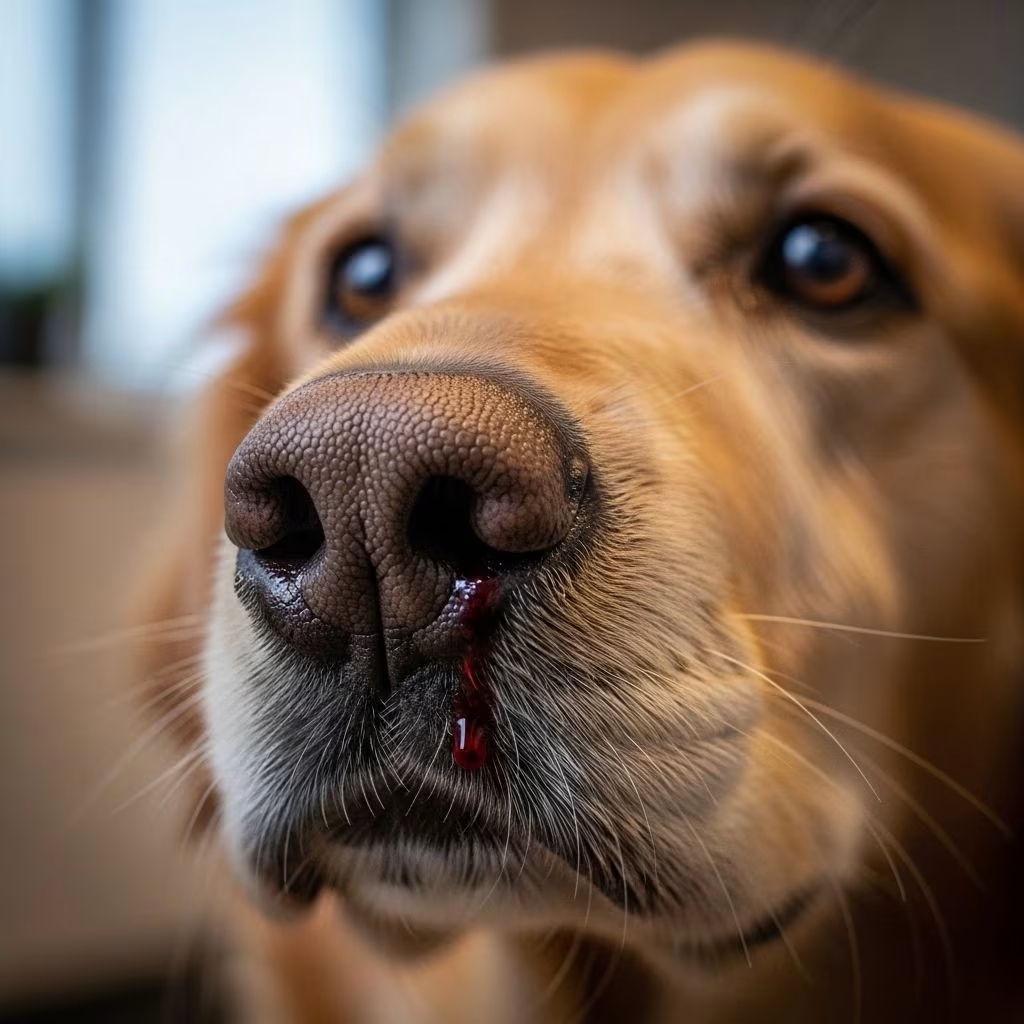
Nosebleeds in dogs, medically termed epistaxis, represent a concerning symptom that demands prompt attention from pet owners. Blood flowing from one or both nostrils can arise from minor incidents or signal deeper health problems. Understanding the distinction between harmless events and emergencies is crucial for your dog’s well-being.
Recognizing the Signs of a Nosebleed in Dogs
A dog’s nosebleed typically appears as fresh red blood dripping steadily from the nostrils. It may affect one side, suggesting a local issue, or both, indicating a systemic problem. Accompanying signs include sneezing, pawing at the face, swelling around the nose, lethargy, or difficulty breathing. Observe if the bleeding stops quickly or persists beyond 10-15 minutes, as prolonged flow requires immediate veterinary intervention.
Younger dogs often experience these due to playful injuries, while seniors face higher risks from tumors or chronic diseases. Breeds prone to immune thrombocytopenia, like certain small breeds, may show bruising alongside bleeding.
Primary Causes of Nasal Bleeding in Canines
Dog nosebleeds stem from diverse origins, broadly classified into local nasal issues and body-wide conditions. Here’s a breakdown:
- Trauma: The leading cause, from collisions, fights, or rough play. Puppies and active dogs are especially vulnerable.
- Foreign Objects: Grass seeds or debris lodged in the nose irritate tissues, causing unilateral bleeding.
- Infections: Bacterial, fungal, or viral invasions lead to inflammation and vessel rupture. Fungal cases like aspergillosis are common in certain regions.
- Tumors: Nasal cancers, more frequent in older dogs, erode tissues and provoke bleeding. One study highlights tumors as a top cause alongside trauma.
- Clotting Disorders: Conditions like thrombocytopenia or Von Willebrand’s disease prevent proper blood thickening.
| Category | Examples | Common in |
|---|---|---|
| Local | Trauma, foreign bodies, dental roots | Young/active dogs |
| Systemic | Clotting issues, hypertension, toxins | Older dogs |
Less Obvious Triggers for Epistaxis
Beyond basics, dental diseases allow root abscesses to invade nasal areas, causing persistent bleeds. High blood pressure strains vessels, often linked to kidney problems. Toxins like rat poison disrupt clotting, leading to spontaneous epistaxis; even NSAIDs can thin blood if overdosed. Tick-borne illnesses such as ehrlichiosis impair coagulation. Allergies or sinusitis rarely cause bleeds but can through severe inflammation. Liver failure hinders clotting factor production.
In rare cases, bone marrow suppression from chemotherapy or genetic hemophilia contributes. Always note recent medications, pesticides, or tick exposure when consulting a vet.
First Aid: Stabilizing Your Dog at Home
While racing to the vet, apply these steps to control bleeding:
- Stay calm to avoid stressing your dog, which worsens flow.
- Gently dab nostrils with a clean cloth; do not plug the nose.
- Apply a cold compress or ice pack wrapped in cloth to the nose bridge for 5-10 minutes.
- Encourage rest in a quiet, cool area; keep head elevated slightly.
- Avoid aspirin or human meds.
Sedation might be needed for frantic dogs, but only under vet guidance. Severe cases with pale gums or weakness demand emergency care, possibly including transfusions.
Veterinary Diagnosis Process
Vets start with history: onset, duration, medications, toxins. Physical exams check for facial swelling or dental issues. Key tests include:
- Bloodwork for clotting times, platelet counts, anemia, toxins.
- Blood pressure measurement.
- Imaging: X-rays, CT, or ultrasound for tumors/internal bleeds.
- Nasal scopes, biopsies, or cultures for infections/objects.
Unilateral bleeds often prompt endoscopy; bilateral suggest systemic checks.
Treatment Strategies by Cause
Tailored plans address roots:
- Trauma: Cauterization under sedation, ice, rest.
- Infections: Antibiotics (e.g., doxycycline for ticks), antifungals, nasal flushes.
- Toxins/Rodenticide: Vitamin K1, transfusions, hospitalization.
- Clotting Disorders: Transfusions, steroids like prednisone.
- Tumors: Surgery, radiation, chemo; prognosis varies.
- Hypertension: Pressure meds while probing causes.
Supportive care includes pain relief, fluids, oxygen.
Preventing Future Nosebleeds
Minimize risks by supervising play, using tick preventives, securing rodenticides, and scheduling dental checks. Monitor seniors closely for tumors. Genetic screening aids predisposed breeds. Regular bloodwork catches clotting issues early.
When to Rush to the Vet
Seek immediate help if bleeding lasts over 20 minutes, recurs, accompanies collapse, or shows pale gums/dark tarry stools. One-sided persistent bleeds signal tumors/objects. Better safe than sorry—early intervention saves lives.
Frequently Asked Questions (FAQs)
Is a little blood from my dog’s nose normal?
No, any visible bleeding warrants a vet visit to rule out serious issues.
Can I give my dog aspirin for a nosebleed?
Never— it worsens clotting. Use vet-approved care only.
Why does my old dog’s nose bleed from one side?
Often tumors or dental roots; diagnostics confirm.
How long before a dog nosebleed stops?
Most minor ones halt in minutes; persistent needs pro help.
Are certain breeds more prone?
Yes, those with clotting gene issues like Von Willebrand’s.
References
- Nosebleed in Dogs – Causes, Treatment and Associated Symptoms — Vetster. 2023. https://vetster.com/en/symptoms/dog/nosebleed
- Nosebleeds in Dogs — PetMD. 2024-01-15. https://www.petmd.com/dog/symptoms/nosebleeds-in-dogs
- My Dog’s Nose is Bleeding: What Do I Do? — Frontier Vet Urgent Care. 2023-05-20. https://frontierveturgentcare.com/blog/dogs-nose-is-bleeding/
- Why is My Dog’s Nose Bleeding? A Vet Explains — VEG ER for Pets. 2024. https://www.veg.com/post/dog-nosebleed-6-causes
- Nose Bleeds (Epistaxis) in Dogs — VCA Animal Hospitals. 2023-11-10. https://vcahospitals.com/know-your-pet/nose-bleeds-or-epistaxis-in-dogs
- Nosebleeds in Dogs: What You Need to Know — AKC. 2024-02-28. https://www.akc.org/expert-advice/health/dog-nosebleed/



