

Understanding Dog Nipples: A Complete Health Guide
Dog nipples are a natural part of canine anatomy that many pet owners don’t fully understand. Whether you have a male or female dog, understanding the structure, function, and potential health concerns related to nipples is an important aspect of responsible pet ownership. This comprehensive guide explores everything you need to know about dog nipples, from their basic anatomy to warning signs that warrant veterinary attention.
Do Dogs Have Nipples?
Yes, both male and female dogs have nipples. This is a fundamental characteristic of mammals, and dogs are no exception. While many people associate nipples primarily with females, the presence of nipples in male dogs is completely normal and expected. Male dog nipples are considered a vestigial feature—a rudimentary appendage inherited from evolutionary ancestry that serves no functional purpose in males.
Dog Nipple Anatomy and Structure
How Many Nipples Do Dogs Have?
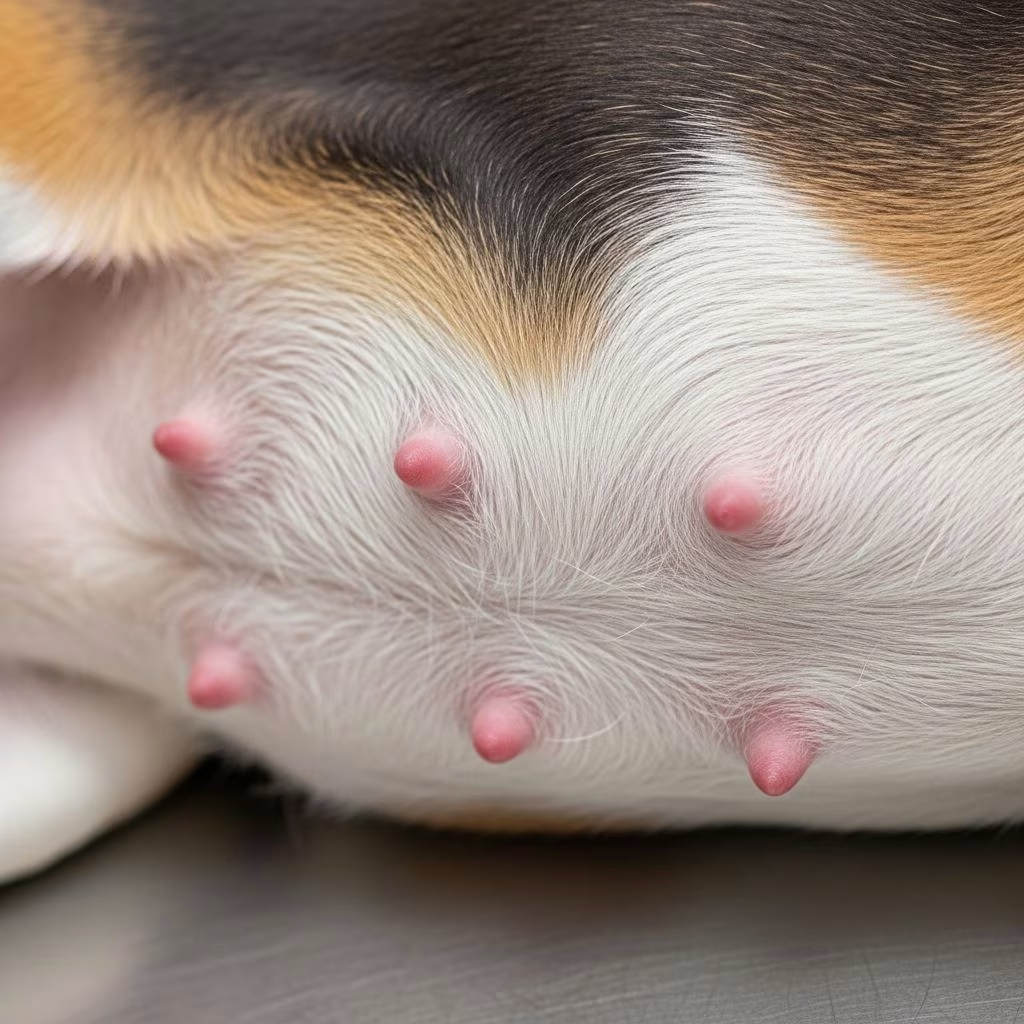
On average, dogs typically have between 8 and 10 nipples in total, though some dogs may have as few as 6 or as many as 10 or more. These nipples are arranged in two symmetrical rows running down the underside of the abdomen, starting near the groin area and extending toward the chest between the front legs. This means there are typically 4 to 5 nipples on each side of the body.
It’s important to note that the number of nipples is unique to each individual dog and is not determined by sex, breed, age, size, or health status. Some dogs may have an odd number of nipples, with the rows not matching exactly. This is completely normal and nothing to worry about—it doesn’t pose any health risks.
Nipple Appearance and Color
Dog nipples are small, round bumps that appear in a line from your dog’s genital sheath up the stomach. Nipples can be pigmented—ranging in color from pink or tan to brown or black—or they may simply be the color of your dog’s skin. Both variations are considered completely normal. The appearance of nipples can change depending on hormonal status and reproductive history. Female dogs that are pregnant or nursing puppies will have more pronounced and darker nipples than females without a litter or male dogs.
Nipple Location
While most dogs have nipples arranged in orderly lines down their belly, nipples can occasionally develop in unexpected locations. These nipples develop along invisible lines called milk lines or ridges that extend from the groin to the armpits, making it possible for nipples to appear in other places along these lines.
The Function of Nipples in Dogs
Female Dogs
Female dog nipples serve a critical biological function: they provide nourishment to puppies through lactation after giving birth. During pregnancy and nursing, the mammary glands enlarge and produce milk to feed offspring. This is an essential maternal function that ensures puppies receive proper nutrition during their earliest weeks of life.
Male Dogs
In contrast, male dog nipples serve no functional purpose. They are present as a remnant of evolutionary development but do not play any role in reproduction, lactation, or any other biological function. This doesn’t make them abnormal or concerning—it simply reflects the complexity of mammalian biology and development.
Changes in Nipple Appearance
Pregnancy and Nursing
One of the most notable changes in dog nipple appearance occurs during pregnancy and lactation. Dog nipples become more prominent, larger, darker, and pinker when a dog is pregnant or currently feeding puppies. This enlargement may make it seem like a female dog has grown more nipples, but this is not the case. The number of nipples remains constant throughout a dog’s life—dogs cannot grow new nipples after birth, nor can they lose existing ones.
Recognizing Normal vs. Abnormal Changes
While some changes in nipple appearance are normal and expected, other changes can indicate underlying health problems. It’s important to understand what constitutes normal variation versus what warrants veterinary attention.
Health Issues Related to Dog Nipples
Distinguishing Nipples from Other Skin Features
Pet owners often mistakenly identify dog nipples as ticks, bug bites, pimples, or cysts. Depending on your dog’s breed and coat color, nipples can range from very subtle to more pronounced. If you’re unsure whether a bump on your dog is a nipple or something concerning, check during grooming sessions and note whether you find similar bumps in orderly rows along the belly—this pattern indicates nipples rather than parasites or skin lesions.
Common Health Problems
Mammary Gland Tumors
While rare, both male and female dogs can develop mammary gland tumors. If you notice a lump under your dog’s skin near a nipple, contact your veterinarian for evaluation. The majority of mammary gland tumors in male dogs have been found in dogs over the age of 10. Fortunately, most mammary tumors are benign and can be treated and removed through surgery.
Infections and Inflammation (Mastitis)
Mastitis is inflammation and infection in a mammary gland, a very painful condition that causes swelling, redness, and often discharge from the nipple. This condition can occur in both male and female dogs, though it’s more common in females. Mastitis can develop due to various causes including poor hygiene, trauma, physical injuries, fight wounds, or underlying infections. Signs of infection or inflammation include redness, swelling, discharge, and discomfort.
Mammary Gland Enlargement
If a dog’s nipples become enlarged or swollen, it could indicate an underlying health issue. Swollen nipples can occasionally be due to parasites, allergies, or dermatitis. In rare cases, swollen and discolored nipples in male dogs can be caused by elevated levels of estrogen—a condition called hyperestrogenism—which is associated with testicular tumors and should be brought to your veterinarian’s attention.
Allergic Reactions and Skin Irritations
Allergic reactions and skin irritations are the least dangerous but most common nipple-related problems. Some shampoos, grooming products, or diet changes can trigger flare-ups that may be more pronounced around the nipples. These conditions are generally manageable with proper identification and elimination of the triggering factor.
Tick and Parasite Infestation
Ticks can burrow into the skin around nipples and other areas. If you discover an embedded tick, it will have a firm, round body with visible legs. Professional veterinary intervention is recommended for tick removal.
What to Look for During Health Checks
Normal Nipple Characteristics
Healthy dog nipples should:
- Be smooth and consistent in appearance
- Never be swollen, red, oozing, or tender
- Show no signs of discharge, lumps, or hard masses
- Not cause excessive licking or biting behavior
- Remain free of scabs, crusting, or sores
Warning Signs Requiring Veterinary Attention
Contact your veterinarian immediately if you notice any of the following:
- Unusual lumps or swelling: Sudden growth, redness, or swelling is suspicious and requires professional evaluation
- Signs of irritation: Inflamed, scabbed, or sore-looking nipples, especially if your dog is licking or scratching excessively
- Discharge: Any fluid leaking from the nipple—whether pus or blood—is a significant cause for concern
- Lumps or hard masses: While rare, these can indicate mammary tumors and need immediate attention
- Excessive licking or biting: This behavior indicates itchiness, irritation, or pain caused by infection
- Scabs, crusting, or sores: These are possible signs of dermatitis, fungal infections, or other skin conditions
- Significant size difference: If one nipple appears significantly larger than others, contact your veterinarian
Monitoring Your Dog’s Nipples
Regular Health Checks
Pet parents should conduct regular checks on their dog’s nipples as part of grooming and health maintenance routines. This involves gently examining the nipple area during normal grooming sessions to catch any unusual changes before they become serious. A quick visual inspection during bathing or brushing is sufficient for most situations.
What Not to Do
If your dog’s nipples appear abnormal, do not attempt to touch, squeeze, or manipulate them, as this may cause pain or worsen the condition. Instead, schedule a veterinary appointment for proper evaluation and treatment.
Keeping Records
If you notice changes in your dog’s nipples, it can be helpful to take photos or note the date and nature of any changes. This information can assist your veterinarian in diagnosis and treatment planning.
When to See a Veterinarian
Book a veterinary appointment as soon as possible when you notice any warning signs, especially lumps, discharge, or rapid changes. Early detection is key to resolving most nipple-related issues. During your appointment, your veterinarian may:
- Perform a physical examination of the affected nipple
- Run diagnostic tests if hormonal imbalances are suspected
- Take samples or cultures if infection is suspected
- Recommend imaging studies if tumors are a concern
- Prescribe appropriate treatment based on the underlying cause
Spaying and Mammary Health
Spaying female dogs at an appropriate age significantly reduces the risk of mammary gland problems, including tumors. This is one of many health benefits associated with spaying. Discuss the timing and health implications of spaying with your veterinarian.
Frequently Asked Questions
Q: Why does my male dog have nipples if they don’t serve a purpose?
A: Male dog nipples are a vestigial feature inherited from evolutionary ancestry. All mammals, including males, develop nipples during fetal development, and male dogs retain these structures throughout life even though they serve no functional purpose.
Q: Is it normal for a dog to have an odd number of nipples?
A: Yes, absolutely. The number of nipples on a dog is unique to that individual and is not determined by sex, breed, age, or size. Odd numbers of nipples are completely normal and pose no health risks.
Q: Can male dogs develop nipple infections?
A: Yes, male dogs can develop infections or inflammation in their nipples, similar to females. These can occur due to poor hygiene, trauma, or underlying skin conditions. Any signs of infection require veterinary attention.
Q: Why do my dog’s nipples look pink and enlarged?
A: If your dog is female, enlarged and darker nipples can indicate pregnancy or current nursing. However, if this is unexpected or accompanied by other symptoms, contact your veterinarian to rule out infection or other health issues.
Q: How often should I check my dog’s nipples?
A: Incorporate a quick nipple check into your regular grooming routine—approximately once a month or during regular bathing sessions. This helps you become familiar with what’s normal for your dog and allows early detection of any changes.
Q: Should I be concerned if my dog’s nipple looks different from the others?
A: Minor variations between nipples are normal. However, if one nipple appears significantly larger, is leaking discharge, or looks or feels abnormal compared to the others, contact your veterinarian.
Q: Can dogs lose their nipples?
A: No. Dogs cannot lose nipples or grow new ones. The number of nipples a dog has remains constant throughout their life from birth.
Conclusion
Dog nipples are a normal, natural part of canine anatomy in both males and females. While they serve an important lactation function in females, male nipples are vestigial remnants that require no special care. Most dogs go through life without experiencing any nipple-related health issues. However, understanding normal nipple anatomy and regularly monitoring your dog’s nipples during grooming sessions enables early detection of potential problems. By knowing what warning signs to watch for and seeking prompt veterinary care when concerns arise, you can help ensure your dog’s continued health and well-being. Remember that any significant changes in nipple appearance, discharge, swelling, or signs of discomfort warrant professional veterinary evaluation.
References
- Do Male Dogs Have Nipples? — Basepaws. Retrieved January 2026. https://basepaws.com/blog/do-male-dogs-have-nipples
- Do Male Dogs Have Nipples, Too? — BARK. Retrieved January 2026. https://bark.co/blogs/health/do-male-dogs-have-nipples
- How Many Nipples Does A Dog Have? — The Pet Lab Co. Retrieved January 2026. https://thepetlabco.com/learn/dog/health-wellness/dog-nipples
- Do Male Dogs Have Nipples? — PetMD. Retrieved January 2026. https://www.petmd.com/dog/general-health/do-male-dogs-have-nipples
- Mammary (Breast) Problems in Dogs: An Overview — PDSA. Retrieved January 2026. https://www.pdsa.org.uk/pet-help-and-advice/pet-health-hub/symptoms/mammary-problems-in-dogs-an-overview
- Do Male Dogs Have Nipples? — American Kennel Club. Retrieved January 2026. https://www.akc.org/expert-advice/health/male-dogs-nipples/
- 9 Vet-Reviewed Facts About Dog Nipples — Dogster. Retrieved January 2026. https://www.dogster.com/dog-health-care/dog-nipples



