

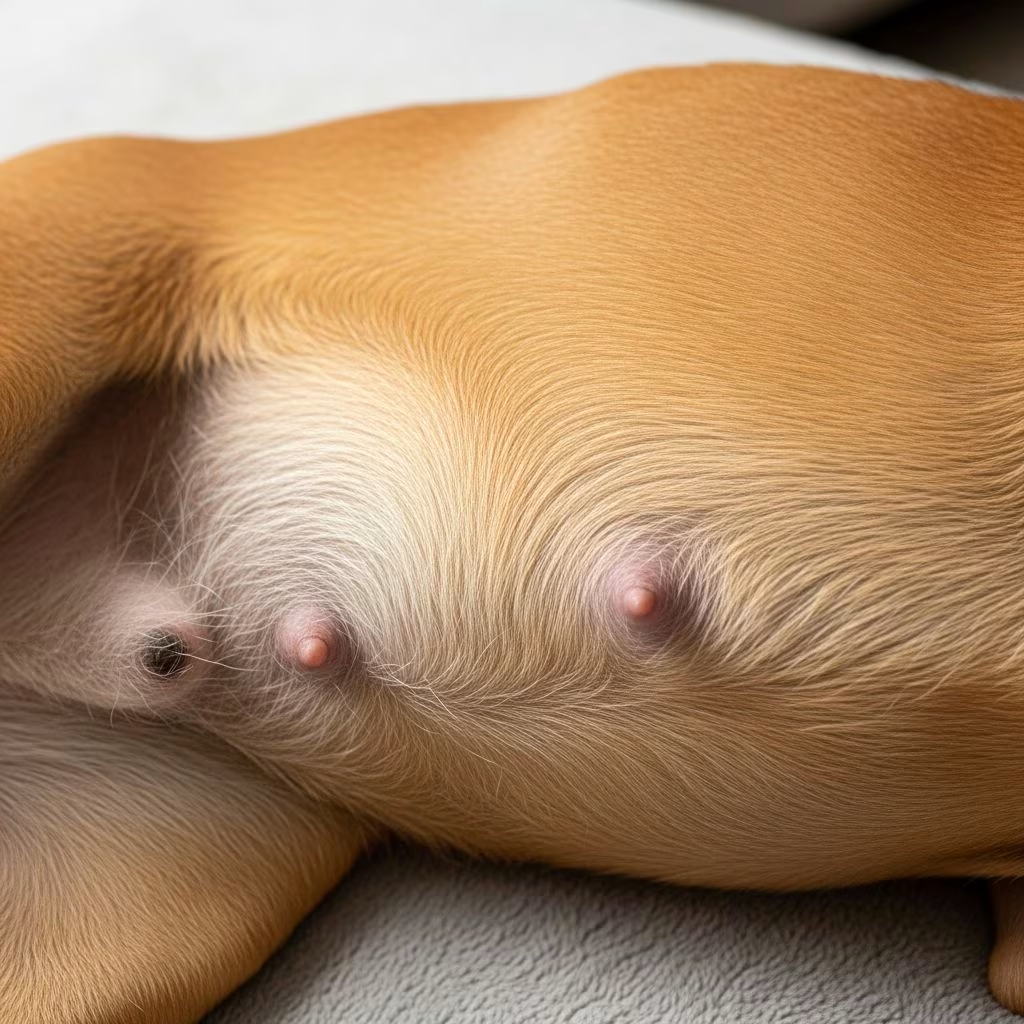
Canine nipples, part of the mammary system, play a vital role in nursing puppies and signal reproductive health changes. Understanding their structure, variations, and potential problems helps owners monitor pet well-being effectively.
The Anatomy of Canine Mammary Glands
Dogs possess mammary glands arranged in two parallel rows along the ventral abdomen, extending from near the groin to the chest area. These glands, known as teats or nipples, connect to underlying mammary tissue responsible for milk production during lactation. Typically, female dogs have 8 to 10 nipples, with 4 to 5 on each side, though males have rudimentary versions that remain non-functional.
Each nipple features a small opening for milk ejection and is surrounded by sensitive skin. The glands develop along embryonic milk lines, which explain occasional anatomical quirks. Milk production is triggered by hormonal shifts post-pregnancy, ensuring puppies receive colostrum initially, rich in antibodies, followed by nutrient-dense milk.
- Key structural features: Paired rows for balanced nursing access.
- Milk ducts: Internal channels delivering milk to nipple tips.
- Vascular supply: Abundant blood flow supports gland enlargement during lactation.
Variations in Nipple Number and Position
Not every dog fits the standard mold; nipple counts can range from 2 to 10 or more, and positions may deviate. An odd number, such as 9 nipples, occurs naturally without health implications. Nipples usually align symmetrically, but some appear slightly uneven or positioned higher/lower along the milk lines.
These variations stem from genetic factors during fetal development. Owners often notice them during grooming or baths. No intervention is needed unless asymmetry accompanies lumps or discharge, warranting a vet check.
| Common Variations | Description | Health Impact |
|---|---|---|
| 8-10 nipples | Standard bilateral pairs | None |
| Odd count (e.g., 9) | One side has extra or fewer | Harmless |
| Atypical position | Along extended milk lines to armpits/groin | Normal unless painful |
Nipple Changes During Canine Pregnancy
Pregnancy induces visible mammary transformations around 2-3 weeks post-conception. Nipples enlarge, darken in color, and may protrude more, particularly rear ones near hind legs. These adaptations prepare for lactation, increasing blood flow and gland size.
Hormones like progesterone and prolactin drive these shifts. Owners might spot pinkish hues turning reddish-brown. Such changes confirm pregnancy but require monitoring to rule out false pregnancies, where similar symptoms mimic gestation without fetuses.
Nursing Behaviors and Puppy Preferences
Puppies nurse voraciously from birth, latching onto any accessible nipple without fixed preferences, unlike kittens or piglets with teat orders. This flexibility ensures even milk distribution across glands, preventing overload in specific areas.
Mothers encourage nursing by lying on sides, exposing the full row. Sessions last 5-60 minutes multiple times daily. Vigorous suckling stimulates oxytocin release for milk let-down, fostering bonding.
Common Disorders: Mastitis and Infections
Mastitis, mammary gland inflammation often bacterial, strikes nursing dogs postpartum. Causes include milk stasis from abrupt weaning, puppy death, or trauma allowing bacterial entry via ducts.
Symptoms emerge rapidly: swollen, hot, discolored glands; pus/bloody discharge; maternal neglect; fever; lethargy. Untreated, it spreads systemically, risking sepsis.
- Types: Bacterial (most common), sterile (from trauma/milk buildup).
- Risk factors: Large litters, poor hygiene, unsanitary whelping areas.
Identifying and Addressing Sore Nipples
Sore nipples arise from friction during frequent nursing, especially with large litters. Signs include redness, cracking, reluctance to nurse, and maternal discomfort.
Distinguish from mastitis: soreness lacks pus/fever but may progress if ignored. Daily inspections catch early issues.
Treatment Options for Mammary Issues
Veterinary care is essential. Outpatient antibiotics target infections; pain relievers ease discomfort. Hand-milking every 4-6 hours clears infected milk, reduces swelling—perform gently post-vet demo.
Home aids: Clean with vet-approved antiseptics, apply cool compresses. Supplement puppies with formula to rest teats temporarily. Severe cases need drainage or surgery.
| Treatment Method | Purpose | Frequency |
|---|---|---|
| Oral antibiotics | Fight infection | As prescribed |
| Hand-milking | Drain glands | Every 4-6 hours |
| Cool compresses | Reduce swelling | 2-3 times daily |
| Pain meds | Comfort mother | Vet-dosed |
Preventive Measures for Healthy Mammary Function
Proactive steps minimize risks. Maintain whelping area hygiene: frequent bedding changes, dry fur around nipples. Monitor weights/nursing to avoid engorgement.
Spaying before first heat slashes mammary tumor/mastitis risks. For breeders, balanced nutrition supports lactation.
- Daily teat exams for swelling/discharge.
- Clean environment reduces bacteria.
- Gradual weaning prevents stasis.
Long-Term Mammary Health Monitoring
Beyond nursing, check nipples monthly for lumps, common in unspayed females. Early tumor detection improves outcomes. Note changes like inversion or ulceration.
Annual vet exams include mammary palpation. Nutrition with omega-3s aids skin health around teats.
FAQs on Dog Nipple Health
Is it normal for male dogs to have nipples?
Yes, rudimentary nipples are standard in males, serving no function but mirroring female anatomy.
How many nipples do dogs usually have?
Most have 8-10, but variations from 4-12 occur harmlessly.
What if my dog has swollen nipples but isn’t pregnant?
Phantom pregnancy or mastitis possible; vet evaluation needed.
Can mastitis harm puppies?
Yes, infected milk transmission risks; separate if severe.
When to worry about nipple discharge?
Any pus, blood, or odor post-nursing requires immediate vet care.
References
- Treating Sore Nipples In Mother Dogs: A Complete Guide — Arkansas Department of Energy and Environment. 2023. https://tap-app-api.adeq.arkansas.gov/post/treating-sore-nipples-in-mother
- 9 Vet-Reviewed Facts About Dog Nipples — Dogster. 2023. https://www.dogster.com/dog-health-care/dog-nipples
- Mammary (breast) problems in dogs – an overview — PDSA. 2020-10-01. https://www.pdsa.org.uk/pet-help-and-advice/pet-health-hub/symptoms/mammary-problems-in-dogs-an-overview
- Mastitis in Dogs – Symptoms, Causes & Treatments — Pacific Santa Cruz Vet. 2023-07-17. https://www.pacificsantacruzvet.com/site/blog/2023/07/17/mastitis-in-dogs
- Mastitis in Dogs — VCA Animal Hospitals. 2023. https://vcahospitals.com/know-your-pet/mastitis-in-dogs
- Structure and Function of the Mammary System in Dogs — PetPlace. 2023. https://www.petplace.com/article/dogs/pet-health/structure-and-function-of-the-mammary-system-in-dogs



