

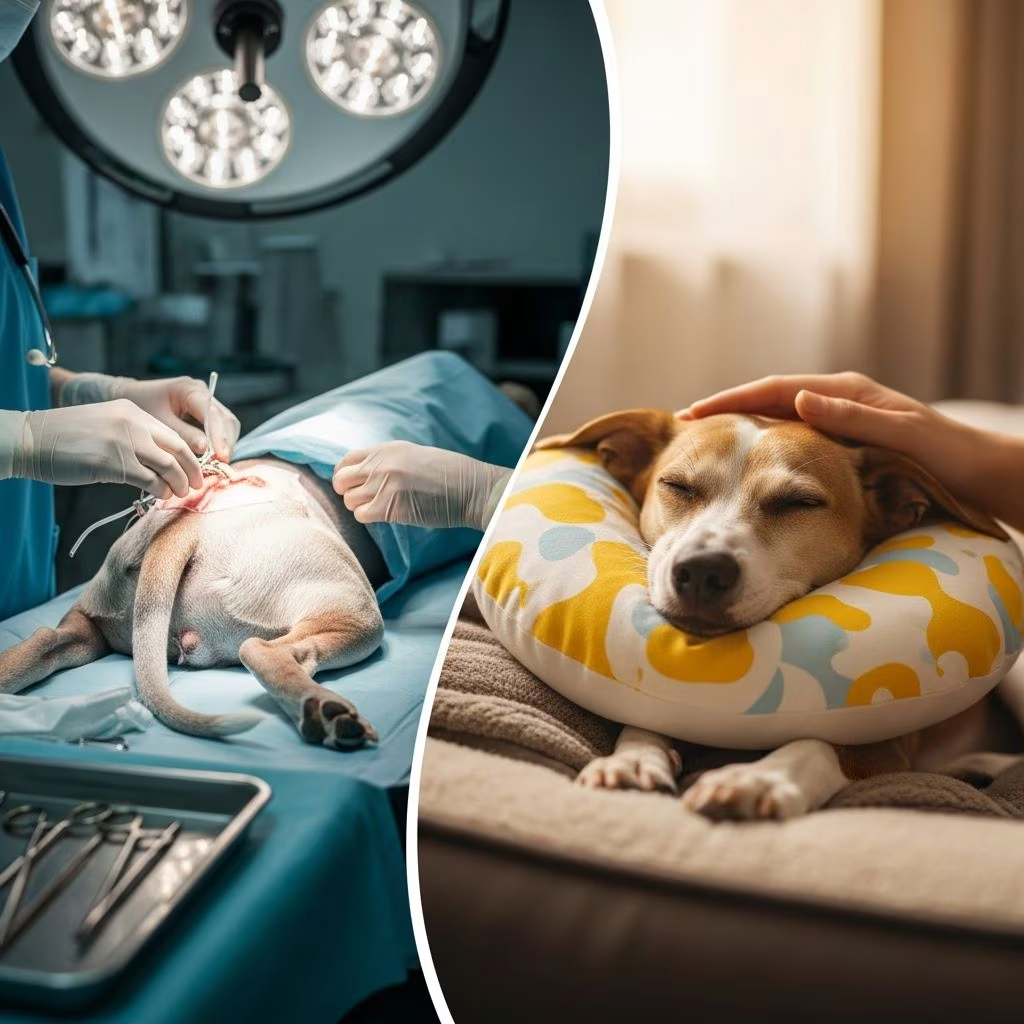
Neutering a male dog is a routine veterinary procedure that removes the testicles to prevent reproduction and offer health benefits. The entire process, from preparation to full recovery, spans several weeks, with the surgery itself lasting 30 to 60 minutes and healing typically requiring 10 to 14 days.
Why Consider Neutering Your Dog?
Neutering provides multiple advantages, including reduced risks of testicular cancer, prostate issues, and unwanted litters. It also curbs behaviors like roaming or aggression linked to hormones. Veterinarians often advise this surgery for population control and pet well-being.
Optimal Age for Neutering Males
Timing depends on breed size and health. Small breeds can often undergo the procedure at 4 to 6 months, while larger ones benefit from waiting until 9 to 18 months to support bone and joint development. Consult your vet for personalized advice based on your dog’s growth.
Pre-Surgery Preparations
Before the day of surgery, withhold food for 12 hours to minimize anesthesia risks, but allow water until a few hours prior. A pre-op exam checks for underlying conditions. Arrive at the clinic early, as dogs are usually sent home the same day.
The Neutering Surgery Explained
Under general anesthesia, the vet makes a small incision in front of the scrotum to remove the testicles. The site is closed with absorbable sutures, staples, or glue. Monitoring ensures stable vitals throughout. The procedure’s brevity—usually under an hour—makes it low-stress for most dogs.
Immediate Post-Op Phase: First 24-48 Hours
Your dog will feel groggy from anesthesia, with possible nausea or lethargy. Keep him in a quiet, confined space indoors, avoiding stairs or jumps. Offer small amounts of water first, then light food. Administer prescribed pain meds and watch for excessive panting or restlessness.
Week-by-Week Recovery Guide
Healing progresses in stages. Use this timeline to track progress:
| Timeframe | Expected Changes | Care Actions |
|---|---|---|
| Days 1-3 | Grogginess fades; mild swelling at site | Strict rest, short leash walks only |
| Days 4-7 | Incision swells slightly then improves; scabs form | Monitor twice daily; prevent licking |
| Days 8-10 | Edges seal; sutures removable if present | Gradual activity increase if vet approves |
| Day 14+ | Full healing; normal energy returns | Resume routines after vet check |
This structured approach, drawn from veterinary guidelines, helps prevent setbacks.
Essential Home Care During Recovery
- Prevent Licking and Scratching: Use an Elizabethan collar (cone) or recovery suit to protect the incision from tongue or paws.
- Monitor the Site: Check daily for redness, pus, or gaping. Mild bruising is normal, but contact your vet for concerns.
- Control Activity: No running, playing, or swimming for at least 10 days. Leash walks for potty only.
- Hygiene Rules: Keep the area dry; skip baths until healed. Clean gently with vet-approved wipes if needed.
- Diet and Meds: Stick to regular food; give pain relievers as directed to manage discomfort.
- Social Separation: Isolate from intact females for 30 days due to lingering sperm.
Recognizing and Handling Complications
Most recoveries are uneventful, but watch for infection signs like fever, foul discharge, or lethargy. Swelling should peak early and subside. Rare issues include seromas (fluid pockets) or hernias. Seek immediate care if symptoms worsen.
Factors Affecting Recovery Speed
Puppies heal faster than seniors but need close supervision to avoid overexertion. Larger dogs may take longer due to incision size. Adhering to rest protocols speeds things up significantly.
Long-Term Benefits Post-Neuter
Beyond recovery, neutered dogs often gain weight, so adjust diet. They show calmer demeanors and lower disease risks, enhancing lifespan and quality of life.
Common Myths About Dog Neutering
- Myth: Neutering changes personality drastically. Fact: It reduces hormone-driven behaviors without altering core traits.
- Myth: Dogs feel no pain. Fact: Pain management ensures comfort during healing.
- Myth: Recovery is always tough. Fact: With care, most bounce back in under two weeks.
Frequently Asked Questions
How long does the neuter surgery itself take?
Typically 30 to 60 minutes, depending on the dog’s size.
Can my dog sleep alone after surgery?
No—supervise for the first 24 hours due to anesthesia effects.
When can my dog play normally again?
After 14 days, with vet clearance. Start slow.
Is neutering safe for all dogs?
Yes, when timed right and health-screened.
What if my dog removes the cone?
Replace it immediately or use alternatives like a t-shirt to guard the site.
Choosing a Vet for Neutering
Select a clinic with experienced surgeons and post-op support. Ask about anesthesia protocols and follow-up visits for peace of mind.
References
- Dog Neutering 101: A Guide for Pet Parents — Loveland Regional Animal Hospital. 2023. https://lovelandregional.com/blog/dog-neuter/
- How long does it take a male dog to recover from neutering? — Penny Paws Animal Clinic. 2023. https://pennypaws.com/blog/how-long-does-it-take-a-male-dog-to-recover-from-neutering/
- What to Expect After Your Dog’s Spay or Neuter Surgery — Bliss Animal Hospital. 2023. https://blissanimalhospital.com/blog/what-to-expect-after-your-dogs-spay-or-neuter-surgery/
- How Long Does a Dog Need to Rest After Being Neutered? — Ark Animal Hospital. 2023. https://www.arkvh.com/dog-recovery-and-rest-after-neutering/
- Dog Neuter Recovery: How To Care For Your Pup After Surgery — PetMD. 2023. https://www.petmd.com/dog/general-health/dog-neuter-recovery
- Essential Guide to Pet Recovery After Spaying or Neutering — Watsons Friends. 2023. https://www.watsonsfriends.com/what-to-expect-after-spaying-or-neutering/



