

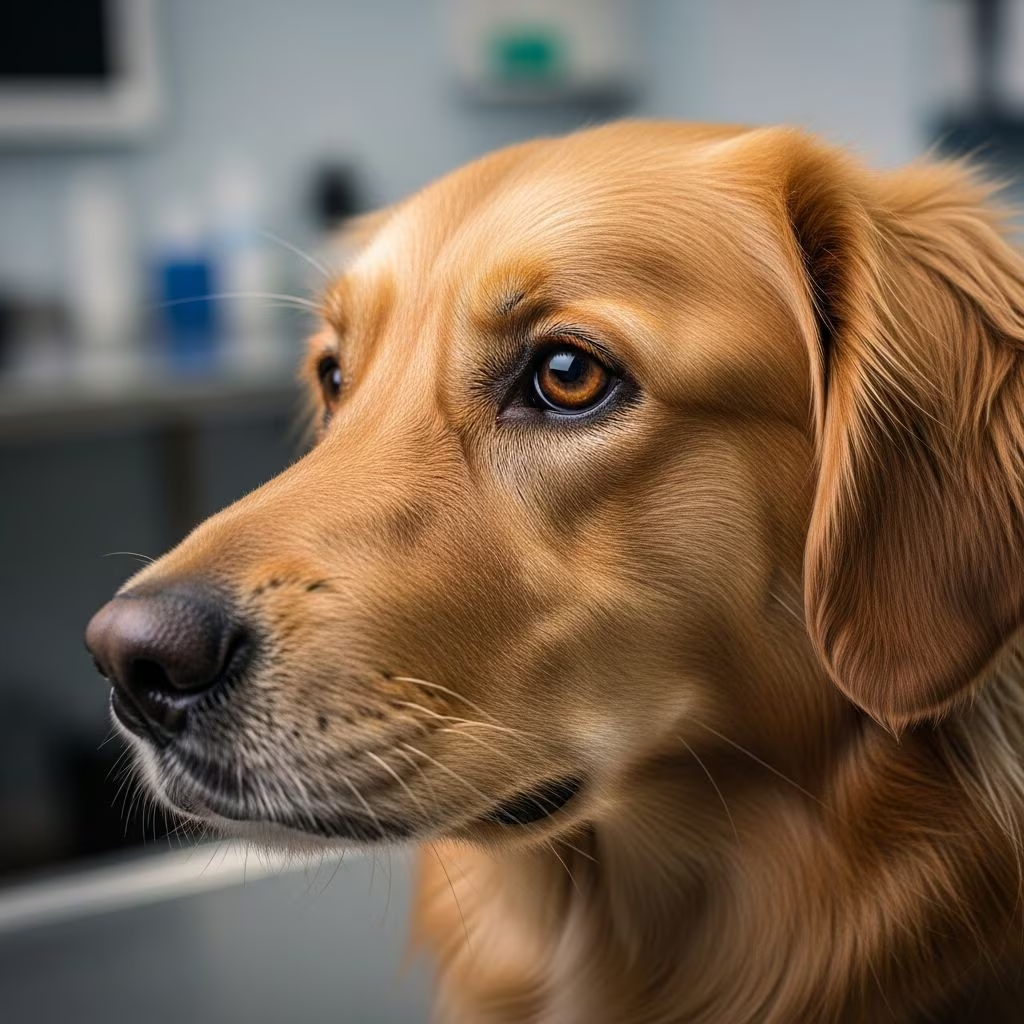
Dog neurological problems encompass a range of conditions affecting the brain, spinal cord, and nerves, leading to symptoms like coordination loss, seizures, and weakness. Early recognition and veterinary intervention are crucial for managing these disorders effectively.
Signs of Neurological Problems in Dogs
Neurological issues in dogs often manifest through observable changes in behavior, movement, and coordination. Common **signs** include:
- Lack of coordination (ataxia): Dogs may stumble, wobble, or have difficulty navigating obstacles.
- Knuckling over of the feet: Toes drag or flip under while walking, indicating nerve or spinal cord dysfunction.
- Seizures: Sudden convulsions, drooling, or loss of consciousness, which require immediate attention if lasting over 5 minutes.
- Head tilt or circling: Often linked to vestibular or brain issues.
- Weakness or paralysis: Particularly in hind limbs, progressing from subtle dragging to inability to stand.
- Abnormal eye movements (nystagmus): Rapid, involuntary jerking of the eyes.
- Behavioral changes: Confusion, aggression, or depression signaling brain involvement.
- Loss of reflexes or sensation: Reduced response to touch, pain, or proprioception (awareness of limb position).
These symptoms can vary by disorder location—brain, spinal cord, or peripheral nerves—and severity. A veterinary neurologic examination assesses gait, cranial nerves, posture, and reflexes to pinpoint the issue.
Causes of Neurological Problems in Dogs
Neurological disorders arise from multiple factors, often breed-specific or age-related:
- Genetic predispositions: Certain breeds like German Shepherds (degenerative myelopathy) or small dogs (IVDD) are prone.
- Trauma: Car accidents or falls causing brachial plexus avulsion or spinal injuries.
- Toxins: Ingestion of chocolate, antifreeze, or xylitol leading to seizures and ataxia.
- Infections/Inflammation: Bacterial, viral, fungal, or parasitic causes of meningitis/encephalitis.
- Cancer: Brain or spinal tumors mimicking other conditions with seizures or paresis.
- Degenerative diseases: Progressive nerve or myelin loss in older dogs.
- Idiopathic/Epilepsy: Recurrent seizures without identifiable structural cause.
Understanding the cause guides diagnosis and prognosis; for instance, trauma may be acute, while degenerative conditions worsen over time.
Common Neurological Disorders in Dogs
Several disorders dominate canine neurology, each with distinct symptoms and treatments.
Intervertebral Disc Disease (IVDD)
**IVDD** occurs when spinal discs bulge or rupture, compressing the cord and causing pain, ataxia, or paralysis. Common in Dachshunds, French Bulldogs, and other chondrodystrophic breeds.
- Symptoms: Back pain, hind limb weakness, dragging toes, incontinence.
- Grades: From mild pain (Grade 1) to paralysis without deep pain sensation (Grade 5).
- Treatment: Strict rest (4-6 weeks), NSAIDs like carprofen, gabapentin for nerve pain; surgery for severe cases.
Early intervention improves outcomes; prognosis is fair for Grades 1-4 but guarded for Grade 5.
Vestibular Disease
This sudden-onset disorder disrupts balance due to inner ear or brainstem issues, often in senior dogs (“old dog vestibular syndrome”). Peripheral (ear-related) cases resolve faster than central (brain) ones.
- Symptoms: Head tilt, circling, nystagmus, falling, nausea/vomiting.
- Causes: Idiopathic, infections, tumors.
- Treatment: Supportive—anti-nausea meds (maropitant), motion sickness drugs; most peripheral cases improve in 1-2 weeks.
Owners should ensure hydration and prevent injury during acute phases.
Degenerative Myelopathy (DM)
A progressive spinal cord disease causing hind limb ataxia and paralysis, prevalent in German Shepherds, Boxers, and Pembroke Welsh Corgis over age 8.
- Symptoms: Hind weakness, crossing legs, knuckling, muscle atrophy; front limbs spared initially.
- Diagnosis: Genetic testing (SOD1 mutation), MRI.
- Treatment: No cure; physical therapy, wheelchairs, bladder management prolong quality of life.
Progression to full paralysis takes 6-12 months; euthanasia often considered for welfare.
Seizure Disorders (Epilepsy)
Recurrent seizures from brain irritation or idiopathic epilepsy, starting at 6 months to 6 years.
- Phases: Pre-ictal (anxiety), ictal (convulsions, 1-2 minutes), post-ictal (confusion).
- Treatment: Phenobarbital, levetiracetam; emergency diazepam for clusters.
- Status epilepticus (>5 min or clusters) risks brain damage—seek ER care.
50-80% of cases are idiopathic; control aims for seizure-free intervals.
Meningitis, Encephalitis, Encephalomyelitis
Inflammatory conditions of brain/spinal meninges from infections, immune issues, or unknown causes.
- Symptoms: Fever, neck pain, seizures, tremors, blindness.
- Treatment: Antibiotics, antifungals, immunosuppressants (prednisone).
Prognosis varies by cause; early antibiotics improve infectious cases.
Other Disorders
- Brain Tumors: Cause seizures, behavior changes; MRI-guided surgery/radiation.
- Peripheral Neuropathies: Weakness, laryngeal paralysis in breeds like Rottweilers; corticosteroids may help.
- Wobbler Syndrome: Cervical instability compressing cord; surgery for young/large breeds.
Diagnosis of Neurological Problems
Veterinarians start with a **neurologic exam** evaluating:
- Head/cranial nerves: Vision, menace, pupillary light reflex.
- Gait/Proprioception: Circling, hopping, wheelbarrow tests.
- Reflexes: Patellar, withdrawal.
- Spinal palpation: Pain localization.
Advanced diagnostics include:
| Test | Purpose |
|---|---|
| CBC/Chemistry Panel | Rule out metabolic causes. |
| Cerebrospinal Fluid Tap | Detect inflammation/infection. |
| MRI/CT | Visualize tumors, herniations. |
| Electrodiagnostics | Nerve conduction for polyneuropathies. |
Localization (forebrain, brainstem, etc.) directs further tests.
Treatment and Management
Treatments are disorder-specific:
- Medical: Pain relief (NSAIDs, gabapentin), anti-seizure meds, antibiotics.
- Surgical: Disc herniation decompression, tumor resection.
- Supportive: Physical therapy, slings, carts for mobility; acupuncture, hydrotherapy.
- Home Care: Non-slip surfaces, harnesses, scheduled bladder expression.
Multimodal approaches improve outcomes; monitor for side effects like phenobarbital hepatotoxicity.
Prevention and When to See a Vet
Prevent via breed screening (DM genetic tests), toxin avoidance, trauma prevention (leashes, crates). See a vet **immediately** for acute ataxia, prolonged seizures, paralysis, or trauma. Routine wellness exams catch early signs.
Board-certified veterinary neurologists offer specialized care for complex cases.
Frequently Asked Questions (FAQs)
Q: What is the most common neurological disorder in dogs?
A: Intervertebral disc disease (IVDD) is among the most prevalent, especially in small breeds.
Q: Can neurological problems be cured?
A: Some like vestibular disease resolve spontaneously; others like DM are managed but progressive.
Q: How much does treatment for dog neurological issues cost?
A: Varies—exams $200-500, MRI $1500-3000, surgery $3000-8000+. Pet insurance helps.
Q: Are seizures always epilepsy?
A: No; causes include toxins, tumors, metabolic issues. Diagnostics differentiate.
Q: What breeds are prone to degenerative myelopathy?
A: German Shepherds, Corgis, Boxers; genetic testing available.
References
- Neurological Disorders in Dogs — PetMD. 2023. https://www.petmd.com/dog/conditions/neurological/neurological-disorders-dogs
- The Neurologic Evaluation of Dogs — MSD Veterinary Manual. 2024-02-28. https://www.msdvetmanual.com/dog-owners/brain-spinal-cord-and-nerve-disorders-of-dogs/the-neurologic-evaluation-of-dogs
- Disorders of the Peripheral Nerves and Neuromuscular Junction in Dogs — Merck Veterinary Manual. 2024. https://www.merckvetmanual.com/dog-owners/brain-spinal-cord-and-nerve-disorders-of-dogs/disorders-of-the-peripheral-nerves-and-neuromuscular-junction-in-dogs
- Common Neurological Disorders in Dogs — PASE Vet. 2024. https://www.pase.vet/blog/common-neurological-disorders-in-dogs.html
- Dog Neurological Disorders: Common Signs — BrightCare Vet. 2024. https://brightcarevet.com/animal-neurology/what-are-signs-of-neurological-disorders-in-dogs/



