

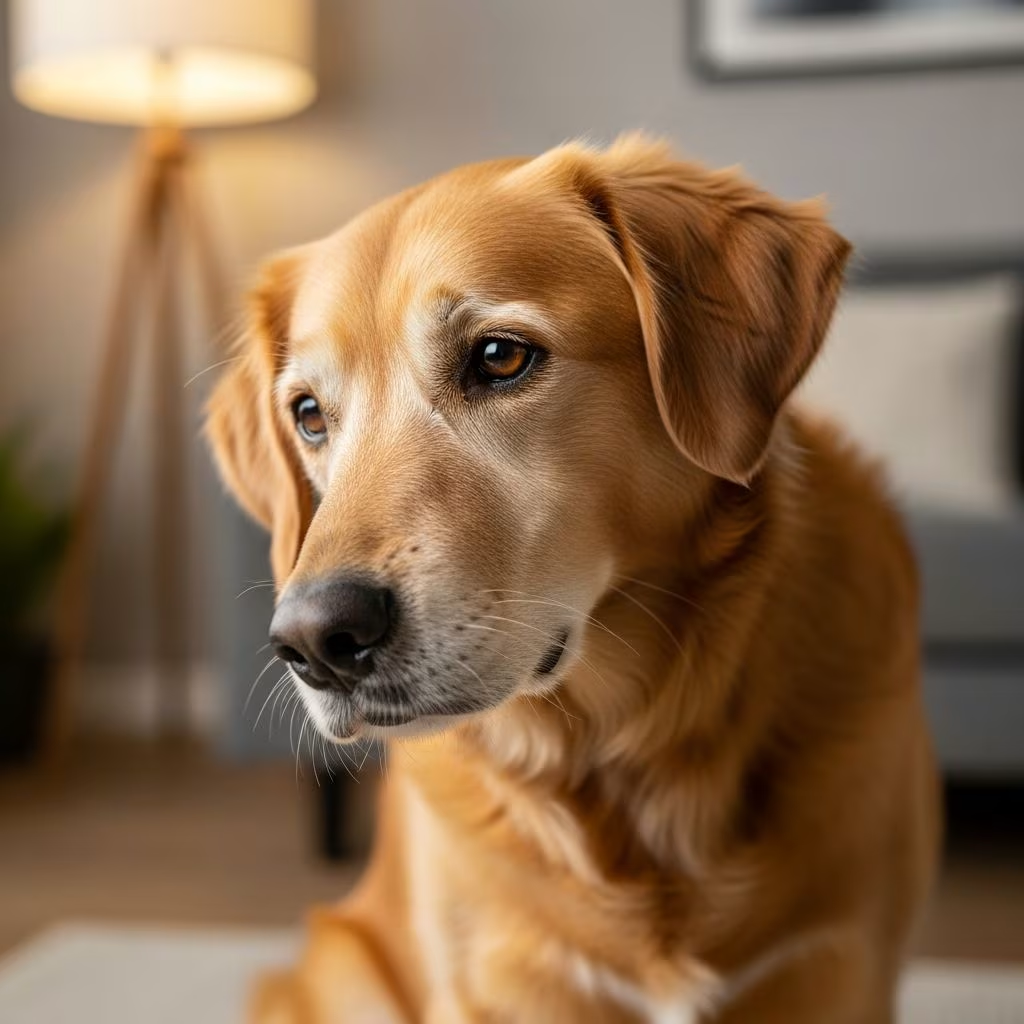
Neck pain affects many dogs, stemming from issues like disc disease, injuries, or infections, requiring prompt veterinary attention for relief and recovery.
Recognizing the Signs of Neck Discomfort in Canines
Dogs cannot verbalize pain, so owners must observe behavioral and physical changes. Common indicators include a lowered head position, reluctance to move the neck, yelping during turns, or guarding the area when touched. Affected pets often adopt a stiff gait, show ataxia in all limbs, or exhibit weakness, particularly in cases tied to spinal involvement.
- Postural shifts: Extended neck to avoid flexion, hunched back.
- Mobility issues: Stumbling, delayed reflexes, or tetraparesis without mental alterations.
- Behavioral cues: Reduced appetite, irritability, or avoidance of play.
These signs, especially if sudden or worsening, signal potential C1-C5 or C6-T2 spinal segment problems, distinguishing from milder muscle strains.
Primary Causes Behind Canine Cervical Pain
Neck pain arises from inflammation, compression, or structural damage to vertebrae, discs, nerves, or meninges. Intervertebral disc disease (IVDD) tops the list, where disc material herniates, pressing on the spinal cord—a frequent issue in chondrodystrophic breeds like Dachshunds.
| Cause | Description | Common Breeds/Ages |
|---|---|---|
| IVDD | Disc herniation compressing nerves/spinal cord | Chondrodystrophic, middle-aged |
| Trauma | Falls, collisions causing sprains/fractures | All breeds, any age |
| Congenital Issues | Atlantoaxial instability, Chiari-like malformation | Small/toy breeds, young |
| Infections/Inflammation | Meningitis, abscesses | Young dogs |
| Degenerative/Neoplasia | Cervical spondylomyelopathy, tumors | Large breeds, seniors |
Trauma from accidents leads to immediate stiffness, while degenerative conditions like spondylomyelopathy cause progressive incoordination and subtle pain. Infections or malformations often present in puppies.
Step-by-Step Veterinary Diagnostic Process
A structured approach ensures accurate identification. Start with signalment (breed, age) and history: acute vs. chronic onset, trauma history narrows differentials.
- Physical/Neurological Exam: Check mentation, gait, postural reactions, reflexes. Palpate neck last to avoid distress; note low head carriage or pain on flexion.
- Localization: Deficits suggest cervical myelopathy (C1-C5: ataxia all limbs; C6-T2: thoracic limb weakness).
- Imaging/Differentials: Use VITAMIN D mnemonic (Vascular, Infectious, Traumatic, etc.) for lists. Radiographs, CT, MRI confirm IVDD, fractures, or syringomyelia.
Young dogs lean toward inflammatory/malformative causes; adults toward discs/trauma. Advanced imaging like MRI reveals Chiari-like issues in breeds like Cavaliers.
Effective Treatment Strategies for Relief
Treatment targets the cause while managing pain. Conservative options suit mild cases; surgery for severe compression.
Medical Management
NSAIDs reduce inflammation; muscle relaxants ease spasms. Strict rest (crate confinement) prevents worsening. Pain meds provide immediate relief if vet access is delayed, but never self-medicate long-term.
Rehabilitation Therapies
Physical therapy rebuilds strength: controlled exercises, hydrotherapy, massage. Laser therapy and acupuncture promote healing, endorphin release, and mobility.
- Hydrotherapy: Low-impact swimming supports weight, improves range.
- Laser: Reduces swelling, accelerates tissue repair.
- Acupuncture: Targets pain points for natural relief.
Surgical Interventions
For IVDD or instabilities, procedures like discectomy or stabilization halt progression. Nearly all spondylomyelopathy cases need surgery, though mild ones manage with therapy.
Preventive Measures and Home Care Tips
Avoid high-impact activities; use harnesses over collars to minimize strain. Maintain ideal weight to lessen spinal load. Regular vet checks catch early degeneration.
At home, create a quiet recovery space. Apply cold packs initially for swelling (10-15 mins), then warm for circulation. Monitor for fever or neurological decline.
When to Seek Emergency Veterinary Care
Rush to ER if paralysis, incontinence, or severe yelping occurs—delays risk permanent damage. Acute trauma or unrelenting pain demands imaging pronto.
FAQs on Dog Neck Pain
What breeds are prone to neck pain?
Chondrodystrophic types (Dachshund, Beagle) for IVDD; small breeds for atlantoaxial issues; Cavaliers for malformations.
Can neck pain resolve without vet visit?
Mild strains might with rest, but persistent signs need professional evaluation to rule out serious issues.
Is surgery always required for IVDD?
No, mild cases respond to meds/rest; severe benefit from surgery.
How long does recovery take?
Weeks to months, depending on cause/therapy adherence.
Are natural remedies safe?
Some herbs aid circulation, but consult vets to avoid interactions.
Long-Term Management for Chronic Cases
Chronic pain from degeneration requires ongoing rehab, weight control, and periodic imaging. Adjunctive therapies like photobiomodulation sustain comfort and function.
Owners play a key role: consistent routines, environmental ramps for seniors, and pain journals track progress. Collaborate with neurologists for tailored plans.[10]
References
- Treating neck pain in dogs – neurological five-step approach — Vet Times (Johnny Plessas). 2016-01-18. https://www.vettimes.com/clinical/small-animal/treating-neck-pain-in-dogs-neurological-five-step-approach-cpdneurology
- How to Effectively Alleviate Dog Neck Pain in 4 Easy Steps — Franklin TN Vet. N/A. https://franklintnvet.com/how-to-alleviate-dog-neck-pain-in-4-easy-steps/
- Neck Pain in Pets: Treating Discomfort in Dogs & Cats — Alpha Animal Rehabilitation and Fitness. N/A. https://www.alpharehabandfitness.com/blog/neck-pain-in-dogs-and-cats-understanding-and-treating-your-pets-discomfort-alpha-animal-rehabilitation-and-fitness
- A Pain in the Neck – Back and Neck Problems Affect Dogs, Too — Morris Animal Foundation. N/A. https://www.morrisanimalfoundation.org/article/dog/neck-and-back-pain
- Dog neck pain: symptoms and when to seek treatment — Fetch Pet. N/A. https://www.fetchpet.com/the-dig/dog-neck-back-pain
- Alleviating Neck and Back Pain — PetLight Therapy Center. N/A. https://petlight.vet/neck-back-pain/



