

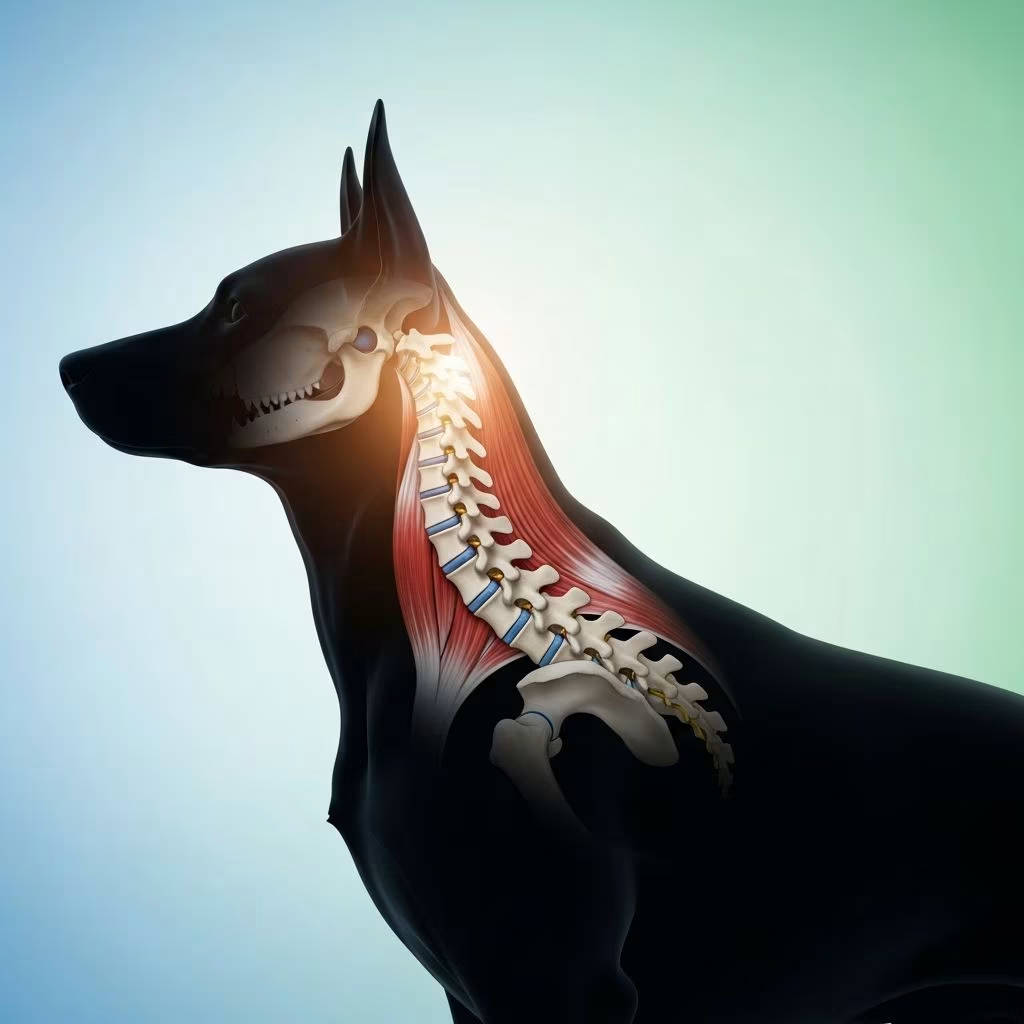
Spinal discomfort in dogs often stems from conditions like intervertebral disc disease (IVDD), where spinal discs degenerate and press on nerves, causing significant pain. This guide covers recognition, underlying factors, diagnostic steps, management strategies, and prevention to help pet owners respond effectively.
Common Indicators of Spinal Distress in Canines
Dogs in pain exhibit behavioral and physical changes that signal neck or back issues. Owners frequently observe a lowered head position, indicating reluctance to raise the neck due to discomfort. Stiff movements, such as an inability to turn the head side to side, accompany muscle spasms along the spine.
- Arched or hunched posture to protect the affected area
- Vocalizations like whining or yelping during touch or movement
- Reluctance to jump, climb stairs, or engage in play
- Limping, staggering, or slow, cautious gait
- Reduced appetite, especially if bending to eat causes pain
- Trembling, panting, or restlessness from chronic ache
- Weakness in limbs, potentially progressing to dragging paws or partial paralysis
These signs vary by severity; mild cases might show only subtle stiffness, while acute episodes lead to dramatic immobility. Early detection improves outcomes, as untreated pain can escalate to neurological deficits.
Primary Causes Behind Canine Spinal Pain
Several factors contribute to neck and back discomfort, with degenerative conditions leading the list. IVDD occurs when the cushioning discs between vertebrae harden, bulge, or rupture, compressing the spinal cord—a frequent issue in breeds with elongated spines.
| Condition | Description | At-Risk Breeds |
|---|---|---|
| Intervertebral Disc Disease (IVDD) | Disc material extrudes, irritating nerves; can affect cervical (neck) or thoracolumbar (back) regions | Dachshund, Beagle, Shih Tzu, Pekingese |
| Osteoarthritis | Joint cartilage breakdown leading to inflammation and stiffness | Large breeds, seniors |
| Trauma | Injuries from falls, fights, or accidents damaging tissues or cord | All breeds, active dogs |
| Infections (e.g., Discospondylitis) | Bacterial/fungal spread causing spinal inflammation | Variable |
| Tumors or Cancer | Growths pressing on spine; rare but serious | German Shepherds for some types |
| Degenerative Lumbosacral Stenosis | Nerve compression at lower spine | German Shepherds, large males |
Genetic predispositions play a role, particularly in chondrodystrophic breeds prone to early disc degeneration. Other contributors include obesity straining the spine, congenital malformations, or inflammatory diseases like polyarthritis.
When Neck Pain Signals Serious Cervical Issues
Cervical IVDD specifically targets the neck, producing signs like head lowering, forelimb lameness, or tetraparesis (weakness in all legs). Severity depends on extrusion speed and pressure; rapid onset may cause breathing difficulties if near shoulders. VCA Hospitals notes muscle spasms and pain on palpation as hallmarks, with 10% of cases showing four-limb involvement. Prompt intervention prevents permanent damage.
Diagnostic Process for Accurate Identification
Veterinarians start with a thorough history and physical exam, testing neck flexion, gait, and reflexes. Neurological assessments check for pain localization and proprioception loss. Imaging confirms diagnoses:
- X-rays reveal disc spaces, fractures, or tumors
- MRI or CT scans detail soft tissue, cord compression—gold standard for IVDD
- Cerebrospinal fluid analysis rules out infections/meningitis
Bloodwork screens for systemic issues like infections. Differential diagnoses ensure non-spinal mimics (e.g., abdominal pain) are excluded.
Treatment Approaches: From Conservative to Surgical
Management tailors to cause and severity. Mild cases respond to strict crate rest (4-6 weeks), NSAIDs for inflammation, and muscle relaxants. Physical therapy builds strength post-acute phase.
Severe IVDD or stenosis often requires surgery like hemilaminectomy to remove extruded material, restoring cord function. Post-op rehab includes controlled walks and hydrotherapy. For arthritis, weight management, joint supplements (glucosamine), and alternative therapies like acupuncture aid comfort.
Prognosis excels with early surgery (90%+ recovery in non-paralyzed dogs); delays reduce success. Chronic cases may need lifelong pain control.
Prevention Strategies for a Healthier Spine
Maintain ideal weight to lessen spinal load—obesity exacerbates all conditions. Use ramps for furniture access, harnesses over collars for walks, and avoid high-impact activities in predisposed breeds. Regular vet checkups catch degeneration early. Neutering timing may influence risk in some studies, though evidence varies.
FAQs on Canine Neck and Back Pain
What is the leading cause of back pain in dogs?
IVDD tops the list, especially in long-backed breeds like Dachshunds, due to disc herniation.
How can I tell if my dog has neck pain?
Look for lowered head, stiff turns, yelping on touch, or reluctance to eat from floor bowls.
Is surgery always needed for spinal pain?
No, conservative care suffices for mild cases; surgery is for cord compression or paralysis.
Can older dogs recover from IVDD?
Yes, with prompt treatment; rehab improves mobility even in seniors.
How does obesity contribute to back issues?
Excess weight stresses discs and joints, accelerating degeneration.
Long-Term Care and Monitoring
Post-treatment, monitor for recurrence via gait checks and pain cues. Annual spinal exams benefit at-risk dogs. Holistic supports like laser therapy reduce inflammation without drugs. Owners play a key role in compliance, ensuring rest and follow-ups.
References
- Dog neck pain: symptoms and when to seek treatment — Fetch Pet. 2023. https://www.fetchpet.com/the-dig/dog-neck-back-pain
- A Pain in the Neck – Back and Neck Problems Affect Dogs, Too — Morris Animal Foundation. 2023. https://www.morrisanimalfoundation.org/article/dog/neck-and-back-pain
- Alleviating Neck and Back Pain — PetLight Therapy Center. 2023. https://petlight.vet/neck-back-pain/
- What Are Signs of Neck Pain in Dogs? — Southeast Veterinary Neurology. 2023. https://sevneurology.com/blog/signs-neck-pain-in-dogs
- Neck and Back Pain in Dogs – Symptoms, Causes, Diagnosis — WagWalking. 2023. https://wagwalking.com/condition/neck-and-back-pain
- 7 Common Reasons For Dog Back Pain — PetMD. 2023. https://www.petmd.com/dog/general-health/back-pain-in-dogs
- Cervical Intervertebral Disk Disease in Dogs — VCA Animal Hospitals. 2023. https://vcahospitals.com/know-your-pet/cervical-intervertebral-disk-disease-in-dogs



