

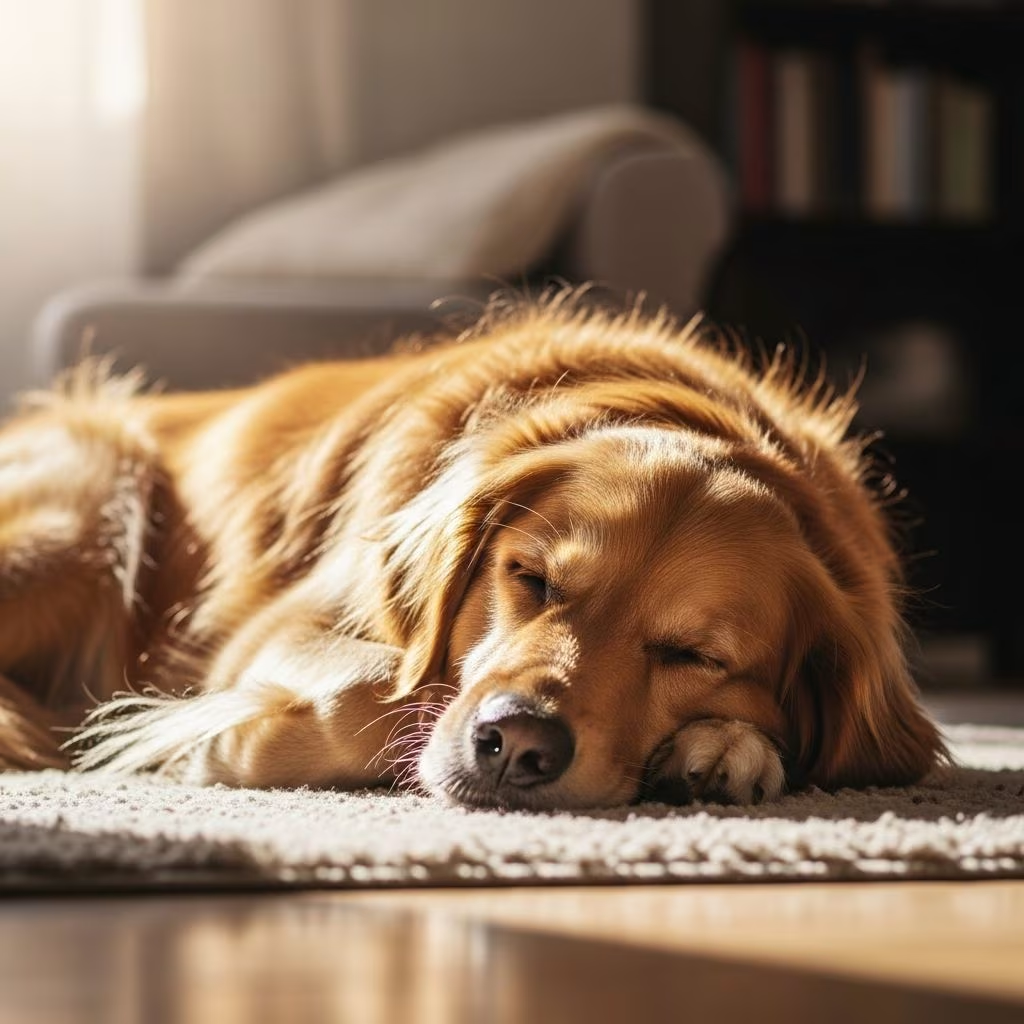
Dogs are renowned for their love of napping, often curling up for hours throughout the day. On average, dogs sleep 12 to 14 hours per day, combining nighttime rest with daytime naps. This natural behavior supports their physical growth, mental processing, and overall well-being, varying significantly by age, breed, and health status.
Why Do Dogs Nap So Much?
Dogs nap frequently due to their evolutionary roots as pack animals that conserve energy between hunts or activities. Unlike humans, who typically sleep in one consolidated block, dogs are polyphasic sleepers, meaning they take multiple short naps daily. This pattern allows them to remain alert for potential threats or play opportunities while recharging efficiently.
Sleep is crucial for neuronal development and information processing in dogs, especially during puppyhood when brains are rapidly maturing. Naps help consolidate learning from training sessions or new experiences, similar to how human sleep aids memory. Physical growth spurts in young dogs also demand extra rest, as energy is diverted to muscle and bone development.
Adult dogs nap to recover from exercise, maintain immune function, and regulate emotions. Studies show that quality sleep influences mood and behavior; dogs with poor rest may exhibit irritability or lethargy the next day. Senior dogs nap more as metabolism slows and conditions like arthritis reduce activity levels.
How Much Should Dogs Sleep?
Sleep needs differ by life stage. Puppies require the most rest, often 18 to 20 hours daily, to fuel explosive growth and learning. As they mature into adulthood around 1-2 years, sleep drops to 12-14 hours. Seniors may nap 14-18 hours again due to decreased energy and health issues.
| Life Stage | Average Daily Sleep | Key Factors |
|---|---|---|
| Puppies (0-12 months) | 18-20 hours | Growth, brain development, learning consolidation |
| Adults (1-7 years) | 12-14 hours | Activity level, breed size |
| Seniors (8+ years) | 14-18 hours | Reduced mobility, health conditions |
Breeds influence sleep too: large breeds like Great Danes nap more (up to 16 hours) due to higher energy recovery needs, while active breeds like Border Collies may sleep 10-12 hours if highly exercised.
Dog Sleep Cycles and Patterns
Dogs cycle through non-REM (light and deep sleep) and REM (dreaming) stages multiple times daily. Naps typically last 30 minutes to 2 hours, with deeper sleep at night. During REM, you might notice twitching, whining, or paddling—signs of dream processing recent events.
Research from a Hungarian study demonstrated dogs consolidate training memories during naps, showing sleep-wave patterns akin to humans. Poor daytime experiences lead to faster sleep onset but reduced deep sleep quality, potentially causing next-day fatigue.
- Light sleep: Ears twitch, easy to wake; prepares for alertness.
- Deep sleep: Slow breathing, limp muscles; essential for physical repair.
- REM sleep: Eye movements, vocalizations; supports emotional and memory processing.
Benefits of Dog Naps
Naps offer profound benefits. They boost immunity, aid muscle repair, and enhance cognitive function. For puppies, naps facilitate rapid physical growth and learning integration. Adults benefit from mood stabilization via feel-good hormones like oxytocin released during restful states.
Co-napping with owners strengthens bonds, releasing dopamine and oxytocin for mutual emotional uplift. It can improve human mental acuity and reduce anxiety, making shared naps a win-win for pet parents. Physically, dog warmth provides comfort, easing insomnia and promoting deeper human sleep in some cases.
For dogs, naps prevent overstimulation, reducing stress from busy days. Well-rested dogs are happier, more trainable, and less prone to behavioral issues like chewing or barking.
Signs Your Dog’s Napping Is Excessive or Insufficient
While napping is normal, extremes signal problems. Excessive sleep (beyond age norms) may indicate hypothyroidism, depression, pain, or boredom. Lethargy with appetite loss warrants a vet visit.
Insufficient naps lead to hyperactivity, irritability, or accidents. Causes include poor diet, lack of exercise, or environmental stress like loud noises.
- Too much napping: Sudden increase, weakness, weight gain—check for illness.
- Too little napping: Restlessness, pacing, aggression—ensure routine and comfort.
- Other red flags: Snoring, gasping (sleep apnea), nightmares (trauma).
How to Improve Your Dog’s Sleep Quality
Create an optimal sleep environment: quiet, dark, cool space with comfy bedding. Establish routines—same nap and bedtime daily—to regulate circadian rhythms.
Exercise is key: 30-60 minutes daily promotes deeper sleep without exhaustion. Avoid stimulating play before naps. Nutrition matters—balanced diets with omega-3s support brain health and rest.
For co-sleeping, weigh pros like security and bonding against cons. A NIH study found co-sleeping with dogs linked to poorer human sleep quality and more insomnia, especially from movement disruptions. Cats may disrupt less. If allergies or light sleeping apply, use separate beds.
| Tip | Benefit |
|---|---|
| Consistent schedule | Regulates internal clock |
| Pre-nap walks | Reduces energy buildup |
| Calm bedroom | Minimizes disturbances |
| Quality bed/crate | Supports joint health |
Do All Breeds Nap the Same?
No—small breeds like Chihuahuas nap in quick bursts (10-12 hours total), while giants like Mastiffs log 16-18 hours. Working breeds nap less if active but crash harder post-work. brachycephalic breeds (e.g., Bulldogs) nap more due to breathing issues affecting rest.
Puppy Naps vs. Adult Naps
Puppies nap in 30-45 minute bursts frequently, often after feeding or play, totaling 18+ hours. Adults consolidate into longer 1-2 hour naps plus 8-hour nights. Transition occurs around 6-12 months as energy stabilizes.
Sleeping with Your Dog: Pros and Cons
Pros: Enhanced security, warmth, bonding; 40% report better sleep from companionship. Alerts to health issues like itching or nightmares.
Cons: Disruptions from movement (dogs more than cats), allergies, partner conflicts. No link to separation anxiety—it’s correlational, not causal.
Women often report improved sleep quality with pets. Choose based on your sleep style; light sleepers may prefer floor beds.
Frequently Asked Questions (FAQs)
Is it normal for my dog to sleep 16 hours a day?
Yes, especially for puppies, seniors, or large breeds. Monitor for sudden changes or accompanying symptoms like lethargy.
Should I wake my sleeping dog?
Avoid unless necessary—deep sleep is vital. Gently rouse if prolonged and unresponsive.
Why does my dog nap more in winter?
Shorter days and less activity reduce stimulation, prompting more rest. Ensure indoor exercise.
Can naps cure my dog’s bad behavior?
Indirectly—better sleep improves mood and focus, aiding training. Combine with exercise and stimulation.
Is co-napping with my dog healthy?
Often yes for bonding and security, but studies show potential sleep disruptions for humans, particularly with dogs.
References
- Why Napping With Your Pet Is Actually Good for You — Kinship. 2023. https://www.kinship.com/dog-lifestyle/take-naps-with-pets
- The Effects of Your Dog Sleeping in Your Bed: Pros and Cons — Kinship. 2023. https://www.kinship.com/dog-behavior/effects-sleeping-with-dogs
- 13 Reasons You Should Let Your Dog Sleep in Your Bed — Kinship. 2023. https://www.kinship.com/dog-lifestyle/13-scientific-benefits-sleeping-your-dog
- Co-sleeping with pets, stress, and sleep in a nationally representative U.S. sample — NIH/PMC. 2024-03-07. https://pmc.ncbi.nlm.nih.gov/articles/PMC10918166/
- My Dog Sleeps All Day—Is That Normal? — Kinship. 2023. https://www.kinship.com/dog-behavior/my-dog-sleeps-all-day-normal



