
Dog Nail Trimming Guide
Master the art of safe dog nail care with expert tips on frequency, techniques, and avoiding injuries for healthier paws.
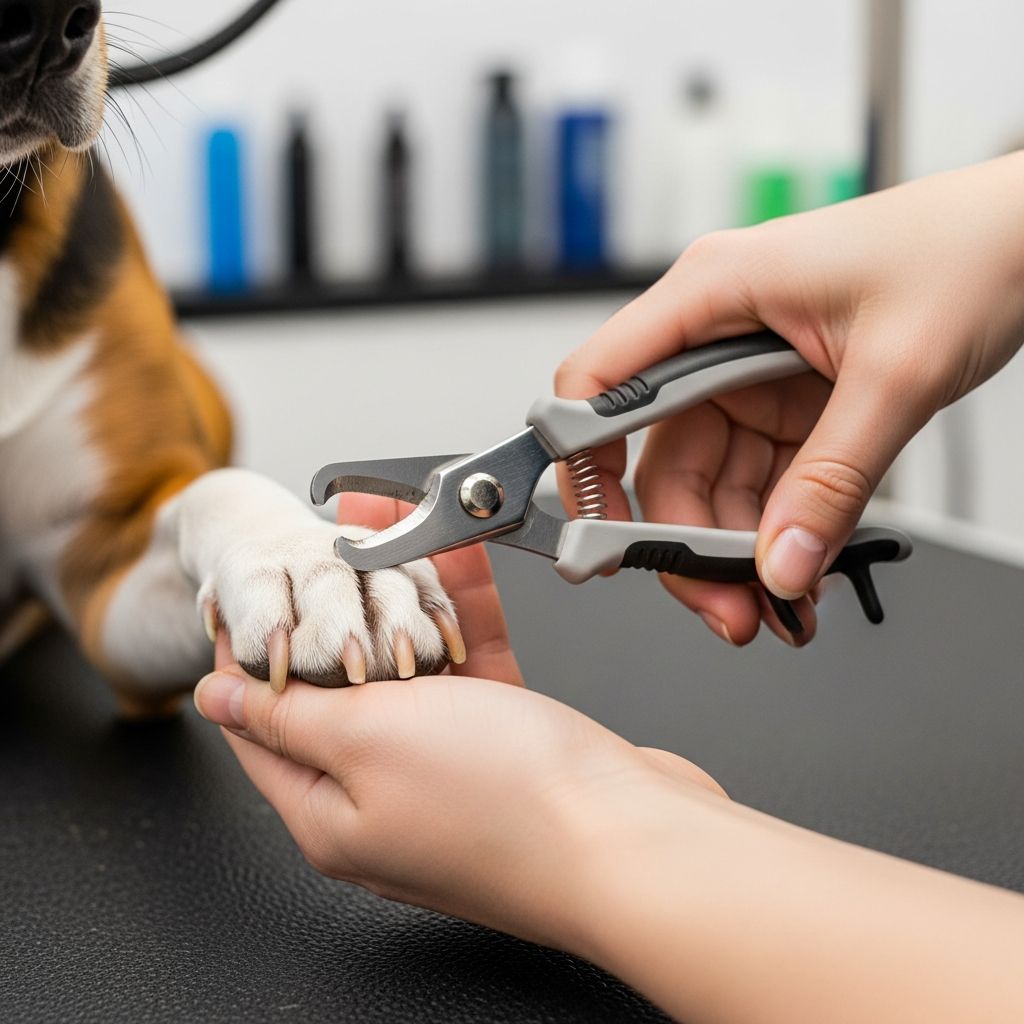
Proper nail maintenance is a cornerstone of canine wellness, preventing discomfort, mobility issues, and potential injuries. Overgrown nails can lead to pain during walks, altered gait, and joint strain over time. This comprehensive guide explores optimal trimming schedules, identification of ideal nail length, safe techniques, and strategies to make the process enjoyable for your dog.
Understanding Nail Growth in Dogs
Dogs’ nails continuously grow throughout their lives, much like human fingernails, but their length directly impacts paw health and overall movement. Factors such as breed genetics, age, diet, and daily activities influence growth speed. For instance, larger breeds or those with slower metabolisms may experience quicker nail elongation compared to smaller, highly active counterparts.
Nails consist of a hard outer keratin layer encasing a sensitive inner core called the quick, which contains blood vessels and nerves. Cutting into the quick causes bleeding and sharp pain, potentially creating a lifelong aversion to grooming. Light nails reveal the pink quick easily, while dark ones require cautious, incremental cuts.
Signs Your Dog Needs a Nail Trim
Rather than adhering to a rigid calendar, observe physical and auditory cues to determine trim timing. Key indicators include:
- Clicking sounds: Nails tapping audibly on hard floors signal excessive length.
- Ground contact: When standing, nails touching or curving past the toe pad indicate overgrowth.
- Posture changes: Reluctance to walk, limping, or splayed toes suggest discomfort from long nails.
- Snagging: Nails catching on fabrics, carpets, or during play.
- Visual inspection: Nails extending beyond the fur tuft on the toe bottom or forming hooks.
Regular checks, ideally weekly, catch issues early, avoiding emergencies.
Factors Influencing Trimming Frequency
No universal schedule fits all dogs; tailor based on lifestyle and environment. Consider these variables:
| Factor | Impact on Frequency | Examples |
|---|---|---|
| Activity Level | High activity wears nails naturally | Daily pavement walks: every 4-6 weeks |
| Surface Types | Abrasive surfaces file nails | Concrete/gravel: less frequent; grass/carpet: every 3 weeks |
| Indoor vs. Outdoor | Indoor dogs grow faster | Mostly indoors: bi-weekly |
| Breed Traits | Some grow/split faster | Breeds like Labradors may need monthly trims |
| Age | Puppies/seniors vary | Slow-growing in youth; faster in old age |
Active dogs on rough terrain might go longer between sessions, while sedentary indoor pets require more attention. Aim for nails just above ground contact when bearing weight.
Recommended Trimming Schedules
General guidelines provide a starting point:
- Standard recommendation: Every 3-4 weeks for most dogs.
- Monthly average: Suitable for moderately active pets.
- Bi-weekly or weekly: For rapid growers or indoor lifestyles; frequent light trims recede the quick over time.
- Every 4-6 weeks: Outdoor adventurers on hard surfaces.
Establish a routine: set calendar reminders and inspect paws during play or baths. Consistency shortens nails gradually without quick hits.
Tools for Effective Nail Care
Invest in quality equipment for safety and precision:
- Guillotine or scissor clippers: Classic for straight cuts; choose size based on dog breed.
- Rotary grinders: Buff nails smoothly, ideal for dark nails or anxious dogs; quieter models reduce fear.
- Nail files: Smooth sharp edges post-trim.
- Styptic powder/pens: Stops bleeding if quick is nicked (e.g., cornstarch alternative).
- Treats and restraints: High-value rewards; soft mats for comfort.
Avoid dull blades, which crush nails painfully. Clean tools after use to prevent infections.
Step-by-Step Guide to Trimming Nails at Home
Follow this process for safe, efficient sessions:
- Prepare the environment: Quiet space, good lighting, all tools ready. Acclimate with gentle paw massages days prior.
- Secure your dog: Sit on floor or use a table; have helper hold if needed.
- Expose one paw: Press gently on pad to extend nail.
- Identify cut line: For light nails, stop before pink quick; dark nails, trim 2mm at a time, checking pulp.
- Clip or grind: Angle at 45 degrees following natural curve; remove hook tip first.
- Smooth edges: File or grind to prevent splits.
- Repeat for all nails: Include dewclaws if present.
- Reward lavishly: Praise, pets, treats immediately after.
Initial sessions: Trim one paw per day to build tolerance. Full trims take 10-15 minutes with practice.
Training Your Dog for Nail Trims
Desensitization prevents struggles. Progressive plan over 7 days:
- Days 1-2: Touch paws, squeeze pads, reward heavily.
- Day 3: Handle clippers near paws without cutting.
- Day 4: “Clip” air near nails with sound.
- Day 5: Trim tiniest tip from one nail.
- Days 6-7: Add nails daily until full set; practice handling weekly.
Positive reinforcement links grooming to joy. Start young for lifelong ease; adults improve with patience.
Risks of Overgrown Nails and Quick Hits
Unchecked growth causes:
- Painful walking and torn nails.
- Joint/muscle strain from poor posture.
- Infections from splits or ingrown nails.
If quick is cut:
- Apply styptic immediately; pressure stops most bleeding.
- Darken quick faster? No myth—frequent trims recede it naturally.
- Seek vet if heavy bleed or limping.
Prevent by small, regular cuts.
Professional vs. Home Grooming
Home trims save money and build bonds but require skill. Pros offer:
- Expertise for tough cases (e.g., grinders, sedation).
- Breed-specific knowledge.
- Quick service for busy owners.
Hybrid: Home maintenance, pro every 2 months. Consult vets for health checks.
FAQs
How often should I trim my indoor dog’s nails?
Every 2-3 weeks, as soft surfaces don’t wear them down.
What if my dog hates nail trims?
Use gradual training, distractions, or vet sedation.
Can I use human clippers?
No; too sharp/thin, risk crushing dog nails.
Do black nails bleed easier?
Not inherently, but harder to see quick—trim conservatively.
Puppy nails: How soon to start?
From 2-3 weeks; tiny tips weekly.
Conclusion
Routine nail care enhances your dog’s comfort and mobility. Monitor cues, adjust for lifestyle, and train patiently for paw-perfect results. Healthy nails mean happy adventures.
References
- How to Trim a Dog’s Nails — VCA Animal Hospitals. Accessed 2026. https://vcahospitals.com/know-your-pet/how-to-trim-a-dogs-nails
- How Often Should You Trim Your Dog’s Nails? — Multipet. 2022-10-28. https://www.multipet.com/how-often-should-you-trim-your-dogs-nails/
- How Often Should You Trim Your Dog’s Nails? A Complete Guide — Home Away From Home. Accessed 2026. https://homeawayfromhomeoc.com/blog/how-often-should-you-trim-your-dogs-nails-a-complete-guide
- Trim Your Dog’s Nails Safely — American Kennel Club. Accessed 2026. https://www.akc.org/expert-advice/health/how-to-trim-dogs-nails-safely/
- How Frequently You Should Cut Your Dog’s Nails — Happy Hounds Grooming. Accessed 2026. https://www.happyhoundsgrooming.com/frequently-cut-dogs-nails
Similar Articles








Read full bio of medha deb




