

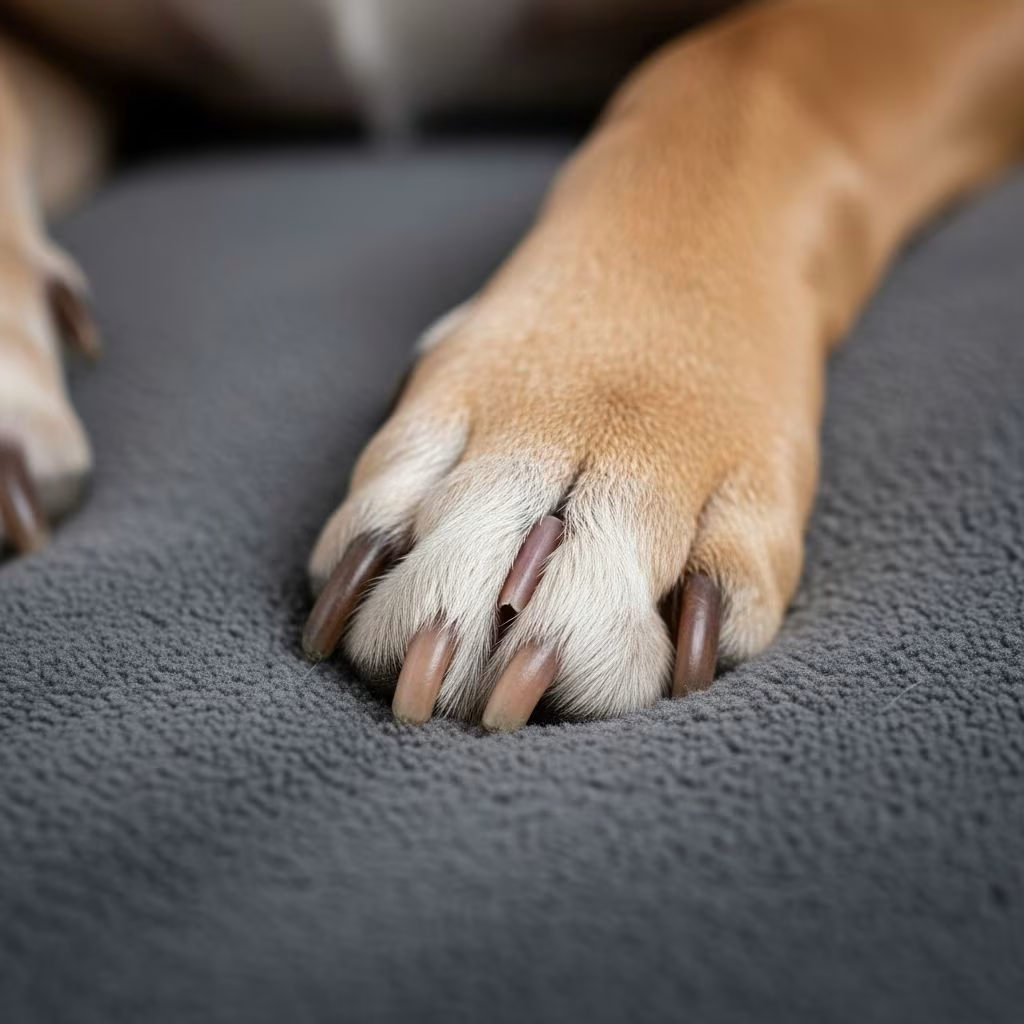
Splitting nails in dogs can cause significant pain and mobility issues if not addressed promptly. These problems often stem from physical trauma, underlying health conditions, or nutritional shortcomings, requiring a mix of immediate care and preventive measures to restore paw health.
Recognizing Nail Damage in Dogs
Dog nails, made primarily of keratin, protect the toes and aid in traction. When they split, you might notice cracks along the length, partial tears, or complete breaks exposing the sensitive quick—the blood vessel and nerve core. Mild splits involve only the outer layer without bleeding, while severe ones lead to profuse bleeding, limping, and reluctance to walk. Dogs often lick or chew affected paws, worsening the injury.
Observe for signs like discoloration at the nail base, swelling around the nail fold, foul odor, or pus, which indicate infection. Multiple nails affected across paws suggest systemic issues rather than isolated trauma. Early detection prevents complications like secondary infections or chronic pain.
Primary Triggers for Nail Splits
Most cases trace back to everyday accidents, but repeated incidents warrant deeper investigation.
- Trauma from Activity: High-energy play, rough terrain runs, or catching nails in carpets, rugs, or kennel wires commonly cause splits. Overly long nails act as levers, bending and snapping under pressure during zoomies or jumps.
- Overgrown Nails: Infrequent trimming leads to curling and weakening, increasing split risk. The quick elongates in overgrown nails, complicating safe clipping and heightening injury chances.
Health-Related Contributors
Beyond physical damage, medical factors compromise nail integrity.
- Infections: Bacterial or yeast overgrowth in the nail bed (paronychia) thrives in moist, folded skin, causing redness, discharge, and brittle nails. Trauma often precedes these, with chewing spreading bugs.
- Allergies and Parasites: Flea allergy dermatitis inflames skin, prompting scratches that damage nails. Demodex mites in mange lead to foot inflammation and multiple splits. Environmental or food allergies cause paw chewing, indirectly weakening claws.
- Nutritional Deficiencies: Lack of biotin, protein, or zinc results in brittle, thin nails. Poor diet slows regrowth (4-6 months per nail) and heightens breakage.
Rare but Serious Underlying Conditions
Persistent or multi-nail splits may signal deeper problems. Symmetric lupoid onychodystrophy (SLO) is an autoimmune disorder where nails slough off with minimal bleeding, often starting at dewclaws. Zinc-responsive dermatosis in breeds like Huskies causes cracked pads and splits alongside GI issues.
Infectious diseases like distemper or leishmaniasis weaken nails systemically, especially in imported dogs. Tumors or endocrine disorders rarely present similarly. Veterinary biopsy confirms diagnoses like SLO.
Immediate First Aid Steps
Act quickly to minimize pain and blood loss upon discovering a split nail.
- Control Bleeding: Apply firm pressure with a clean gauze pad for 5-10 minutes. Use styptic powder, cornstarch, or flour if needed to clot blood. Avoid tourniquets.
- Clean Gently: Rinse with warm saline or water; pat dry. Do not pull loose nail parts unless fully detached to avoid quick exposure.
- Protect the Paw: Bandage loosely with non-stick gauze and vet wrap, changing daily. Use booties for outdoor protection.
- Prevent Licking: Employ an E-collar or inflatable cone immediately.
Seek vet care within 12-24 hours for exposed quicks or heavy bleeding. Never delay if infection signs appear.
Professional Treatment Options
Vets assess damage extent and tailor interventions.
| Damage Type | Treatment |
|---|---|
| Partial split, no quick exposure | Trim loose portions, medicated soak, antibiotics if infected |
| Full break with bleeding | Sedation for nail removal, pain meds, bandage |
| Infected nail bed | Cleaning, oral/topical antibiotics, anti-fungals |
| Systemic disease (e.g., SLO) | Biopsy, immunosuppressants like doxycycline/tetracycline |
Pain relief via NSAIDs is standard; antibiotics reserved for pus or prolonged exposure. Full regrowth takes months, so monitor closely.
Nutritional Strategies for Stronger Nails
Diet upgrades yield lasting results, though patience is key.
- Boost Protein: Incorporate eggs, fish, meat, and organs—essential for keratin production and immune support.
- Key Supplements: Biotin (B7) megadoses for 6 months strengthen brittle nails; B-complex for mild cases. Collagen aids repair. Consult vets first.
- Zinc and Omega-3s: Address breed-specific deficiencies; fatty acids reduce inflammation.
Upgrade kibble or add fresh foods gradually to avoid GI upset.
Daily Prevention Practices
Proactive habits keep nails resilient.
- Regular Trimming: Clip weekly, avoiding the quick. Use grinders for safety; introduce gradually.
- Exercise Balance: Provide varied surfaces for natural wear without excess trauma.
- Paw Checks: Inspect weekly for cracks, overgrowth, or irritation.
- Flea Control: Monthly preventives curb allergies and mange.
- Moisturize Pads: Oils prevent cracking that stresses nails.
When to Escalate to the Vet
Single trauma splits often self-resolve with home care, but consult professionals for:
- Multiple or recurrent splits.
- Lameness lasting over 48 hours.
- Swelling, odor, or discharge.
- Breeds prone to SLO (German Shepherds, Rottweilers).
Bloodwork rules out metabolic issues; imaging or biopsies pinpoint rarities.
FAQs on Dog Nail Health
Can split nails heal on their own?
Minor outer splits yes, but exposed quicks need intervention to prevent infection. Regrowth takes 4-6 months.
Is biotin safe for all dogs?
Generally yes in vet-recommended doses, but check for interactions. Ideal for nutrition-linked brittleness.
How often should I trim my dog’s nails?
Every 1-2 weeks or when clicking on floors. Grind for gradual shortening.
What if my dog has SLO?
Treatment focuses on symptom management with antibiotics and fatty acids; nails may regrow deformed.
Does diet really affect nails?
Absolutely—protein and B-vitamins are crucial for keratin strength.
References
- Dog Split Nail: First Aid and 9 Causes — Dr. Buzby’s ToeGrips for Dogs. 2023. https://toegrips.com/dog-split-nail/
- Split nails in dogs – why do they happen and what can be done? — VetHelpDirect. 2025-08-26. https://vethelpdirect.com/vetblog/2025/08/26/split-nails-in-dogs-why-do-they-happen-and-what-can-be-done/
- First Aid for Broken Nails on Dogs — PetMD. 2024. https://www.petmd.com/dog/care/first-aid-broken-nails-dogs
- Why Are My Dog’s Nails Splitting? — Whole Dog Journal. 2023. https://www.whole-dog-journal.com/care/why-are-my-dogs-nails-splitting/
- Broken Nails in Dogs: Causes, Symptoms, and Treatment — FirstVet. 2024. https://firstvet.com/us/articles/broken-nails-in-dogs-causes-symptoms-and-treatment
- From Zoomies to Ouchies – Split Nails Explained — Bark & Whiskers. 2025-10-15. https://www.barkandwhiskers.com/2025-10-15-from-zoomies-to-ouchies-split-nails-explained/
- How to Prevent Dog Nails from Splitting — WagWalking. 2024. https://wagwalking.com/grooming/prevent-dog-nails-from-splitting



