

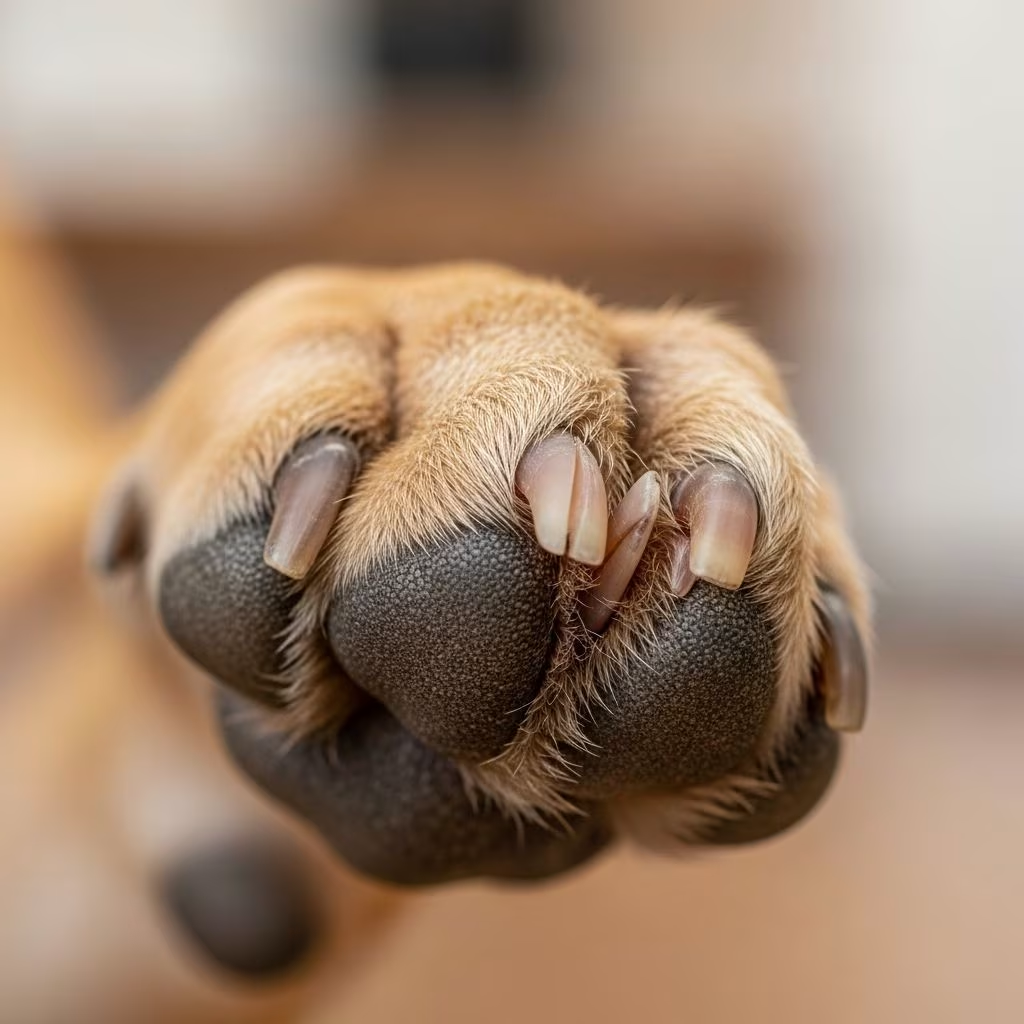
Split or broken nails represent one of the most frequent paw injuries in dogs, often leading to pain, bleeding, and potential complications if not managed promptly. These issues arise from everyday activities or underlying health problems, but with proper intervention, dogs recover swiftly and regain full mobility.
Recognizing Nail Damage in Dogs
Dogs’ nails, made of keratin, protect their toes and aid in traction. When they split—either lengthwise or across—they expose sensitive tissues, causing limping, licking, or yelping. Minor cracks involve only the outer layer, showing no blood, while severe splits reach the quick, the nail’s vascular core, resulting in profuse bleeding and intense discomfort.
Observe for signs like discoloration at the nail base, swelling around the toe, foul odors, or pus, which signal infection. Overgrown nails curl into pads, increasing split risk during runs or jumps. Breeds with long nails, such as Greyhounds or Labradors, face higher susceptibility.
Immediate Home First Aid Steps
Act quickly to minimize pain and blood loss. Start by restraining your dog calmly to avoid further injury—use treats or a helper.
- Control Bleeding: Press a clean gauze pad firmly on the nail for 5-10 minutes. Apply styptic powder, cornstarch, flour, or yunnan baiyao powder to clot blood. Avoid overpacking to prevent tissue damage.
- Clean the Area: Rinse with warm saline or chlorhexidine solution. Pat dry gently; do not soak if bleeding persists.
- Trim Loose Pieces: If a flap hangs freely, use sharp clippers to snip it off above the quick, avoiding deep cuts. Shine a light to spot the pink quick.
- Bandage Temporarily: Wrap with non-stick gauze and vet wrap, leaving toes exposed for air circulation. Change every 12 hours.
A cool compress reduces swelling. Limit activity and monitor for 24 hours.
When to Rush to the Vet
Home care suits superficial splits, but seek professional help for:
- Heavy bleeding unresponsive to pressure.
- Exposed quick or deep vertical splits.
- Signs of infection: redness, heat, discharge.
- Limping persisting beyond 24 hours or multiple affected nails.
- Puppy, senior, or chronic illness cases.
Vets may sedate for safe nail removal, especially if attached firmly. They clean thoroughly, prescribe pain relief like NSAIDs, and antibiotics if infected. E-collars prevent licking, promoting healing.
| Injury Type | Home Care Viable? | Vet Needed? |
|---|---|---|
| Minor crack, no bleed | Yes | Monitor |
| Split to quick, bleeding | Stabilize only | Immediate |
| Infected, swollen | No | Urgent |
| Recurrent splits | No | Diagnostic |
Common Triggers for Nail Splits
Understanding causes prevents recurrence. Trauma tops the list: nails snag on carpets, fences, or during rough play, splitting on impact.
Activity-Related Injuries
High-energy dogs fracture nails chasing balls, digging, or skidding on hard floors. Kennel clawing in anxious pets causes side splits. Overlong nails snag easily, curling painfully.
Infections Weakening Nails
Bacterial or yeast invasions in nail beds (paronychia) from allergies or moisture lead to brittleness. Red, swollen bases with brown discharge indicate trouble. Allergies cause secondary pyoderma, compromising claws. Fungal onychomycosis makes nails crumbly.
Parasitic and Autoimmune Factors
Fleas trigger flea allergy dermatitis, inflaming skin and indirectly nails via scratching. Demodex mites in mange cause pododermatitis, splitting multiple nails. Symmetric lupoid onychodystrophy (SLO), an autoimmune issue, sloughs nails painlessly, often in German Shepherds or Rottweilers.
Nutritional and Genetic Issues
Zinc-responsive dermatosis in Huskies or Malamutes yields cracked pads and splits due to poor zinc uptake. Poor diets lacking biotin or omega-3s weaken keratin. Cancer like melanoma rarely thickens and splits single nails.
Veterinary Interventions Explained
Professionals assess via exam or X-rays for root causes. Treatments include:
- Nail Extraction: Full or partial removal under sedation, allowing 2-3 month regrowth.
- Medications: Analgesics for pain, antibiotics for bacteria, antifungals for yeast.
- Bandaging: Protective wraps for large defects, changed regularly.
- Diagnostics: Biopsies for SLO or cancer, allergy tests for infections.
Follow-up checks nail regrowth; irregular growth warrants re-evaluation.
Preventing Future Nail Problems
Proactive care keeps paws resilient.
- Regular Trimming: Clip every 3-4 weeks or use a Dremel for smooth edges. Weekly maintenance prevents overgrowth.
- Safe Environments: Remove snaggable rugs, protect decks, provide chew toys over hard surfaces.
- Diet Optimization: Feed balanced kibble with biotin, zinc, fatty acids. Supplements if vet-approved.
- Paw Checks: Inspect weekly for cracks, foreign objects, or allergies. Moisturize dry pads.
- Exercise Balance: Mix soft grass with trails; booties for rough terrain.
Short nails rarely break—aim for ground contact without splaying.
Healing Timeline and Monitoring
Superficial injuries heal in 1-2 weeks; full regrowth takes 2 months. Watch for limping, chewing, or odor. New nails emerge from the base; deformed growth signals issues.
Post-care: Keep bandaged area dry, restrict jumps, use booties outdoors. Gradually resume activity as pain fades.
Frequently Asked Questions
Will my dog’s nail grow back normally?
Yes, if the matrix (growth area) is intact. Full length returns in 8-12 weeks, but trauma may alter shape slightly.
Can I trim the nail myself if it’s split?
Only loose flaps; otherwise, vet expertise prevents quick damage.
Is a split nail always an emergency?
No, but bleeding >10 minutes, infection signs, or pain make it urgent.
How do allergies cause nail splits?
They inflame skin, fostering infections that weaken nail beds.
What if my dog has splits on multiple nails?
Likely systemic like SLO or nutrition; vet diagnostics essential.
Long-Term Paw Health Strategies
Beyond splits, holistic care includes paw soaks in Epsom salts for allergies, antifungal shampoos, and flea preventives. Annual vet paw exams catch issues early. Active breeds benefit from nail-grinding walks on gravel.
Invest in quality clippers and styptic for home kits. Educate family on first aid to act fast.
References
- Dog Split Nail: First Aid and 9 Causes — Dr. Buzby’s ToeGrips for Dogs. 2023. https://toegrips.com/dog-split-nail/
- First Aid for Broken Nails on Dogs — PetMD. 2024-01-15. https://www.petmd.com/dog/care/first-aid-broken-nails-dogs
- Split or Broken Dog Nails: Treatment and Care — Whole Dog Journal. 2023-05-10. https://www.whole-dog-journal.com/care/broken-or-split-nails/
- Broken Nails in Dogs: Causes, Symptoms, and Treatment — FirstVet. 2024. https://firstvet.com/us/articles/broken-nails-in-dogs-causes-symptoms-and-treatment
- How to Treat Your Dog’s Split or Broken Toenail — Canidae. 2023-08-20. https://canidae.com/blog/how-to-treat-your-dogs-split-or-broken-toenail
- What To Do if Your Dog’s Nail Is Broken — MetLife Pet Insurance. 2024-02-05. https://www.metlifepetinsurance.com/blog/pet-health/dog-broken-nail/
- What to Do if Your Dog Breaks or Tears a Nail — MedVet. 2023-11-12. https://www.medvet.com/what-to-dog-if-your-dog-breaks-or-tears-a-nail/



