

Dog Nail Infections: A Complete Guide
Dog nail infections are a common yet often overlooked health issue that can cause significant pain and discomfort for your pet. These infections occur when bacteria, fungi, or other pathogens invade the nail bed or surrounding tissue, leading to inflammation, swelling, and pain. Addressing dog nail infections promptly is crucial to prevent the infection from spreading and causing more severe complications. Early intervention not only alleviates your dog’s discomfort but also helps avoid potential long-term damage to their nails and overall paw health.
Understanding Dog Nail Infections
Dog nail infections can arise from various causes, making it essential to understand the common risk factors and signs. Trauma to the nail, such as cracks, splits, or improper trimming, can create an entry point for bacteria and fungi, leading to infection. Other contributing factors include underlying health conditions, such as autoimmune diseases or allergies, which can compromise your dog’s immune system and make them more susceptible to infections. Environmental factors, like prolonged exposure to wet or dirty conditions, can also increase the likelihood of developing dog nail infections.
Types of Dog Nail Infections
Dog nail infections typically fall into two main categories: bacterial and fungal infections. Understanding the differences between these types is essential for proper diagnosis and treatment.
Bacterial Nail Infections
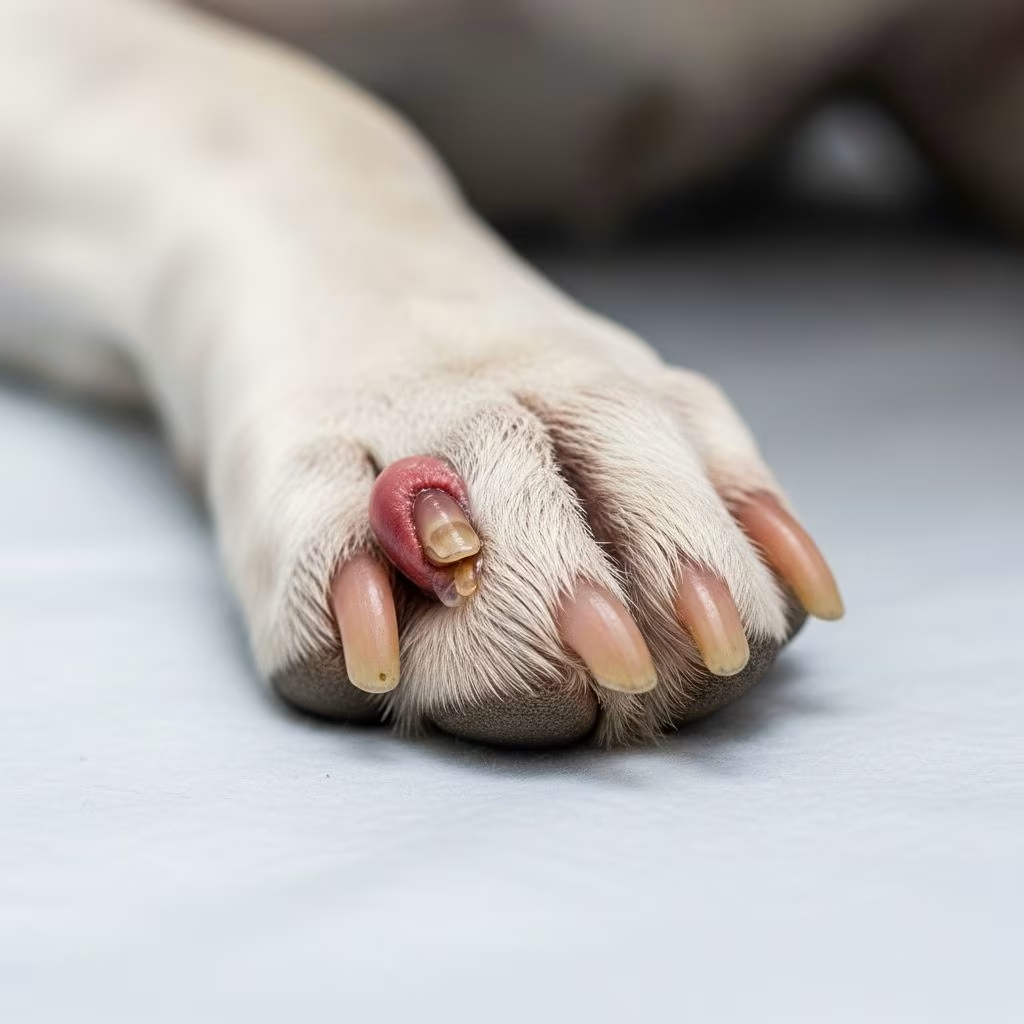
Bacterial paronychia is the result of exposing a traumatized nail to contaminated surfaces. Inflammation is the primary symptom of the subsequent infection, with red and swollen nails being the most visible signs. The bacteria don’t always originate from external sources; excessive chewing and licking of the affected area will have the same result. Bacterial infections are usually localized in one nail, and the nail itself typically appears normal, but the surrounding skin may be red, swollen, and warm to the touch. Pus and blood may ooze from the nail bed.
Fungal Nail Infections
Onychomycosis is the result of a fungal infection in the nail bed. It’s frequently caused by ringworms, which spread to the affected nail from the dog’s skin and hair. Most fungal nail infections are caused by a yeast called Malassezia. These organisms thrive in certain conditions, which is why dogs living in warmer climates and high humidity are at a higher risk of infection. Fungal infections generally have a strong odor and the affected nails may become thick, flaky, and weak.
Recognizing the Symptoms of Dog Nail Infections
Recognizing the signs of dog nail infections early is vital for timely treatment. Common symptoms include redness, swelling, and discharge around the nail, as well as limping or favoring one paw. In more severe cases, you might notice that your dog is excessively licking or chewing at the affected area, indicating pain or discomfort.
Key symptoms to watch for include:
- Excessive licking or chewing of the paw
- Discolored or bleeding nails
- Nails that are brittle, broken, or soft
- Smelly paws due to bacterial or fungal growth
- Dog toe that is swollen around the nail due to inflammation
- Limping due to pain in the foot
- Pus coming from the infected nail bed
- Discharge or drainage from the nail area
- Pain around the nail or paw when touched
If you notice any of these symptoms, it’s important to consult your veterinarian for a professional diagnosis. If left untreated, the infection can spread to other areas of the body, leading to health complications such as bone infections or osteomyelitis.
Causes of Dog Nail Infections
Understanding what causes dog nail infections is essential for prevention and treatment. Multiple factors can contribute to the development of these infections.
Common Risk Factors
- Nail trauma: Cracks, splits, or improper trimming create entry points for pathogens
- Moisture exposure: Prolonged exposure to wet or muddy conditions increases infection risk
- Underlying health conditions: Autoimmune diseases, allergies, hypothyroidism, and diabetes can compromise immune function
- Excessive licking or chewing: Self-trauma from over-grooming can introduce bacteria
- Poor grooming practices: Lack of regular nail maintenance and paw cleaning
- Climate conditions: Warm, humid environments promote fungal growth
Lupoid Onychodystrophy
If your pup is experiencing repetitive issues with its paws and claws, it may be dealing with lupoid onychodystrophy. This autoimmune nail disorder can affect your dog’s nails, causing them to become misshapen, turn brittle, thicken, or even fall out. Subsequently, your dog will experience significant pain, extreme swelling, and bleeding. Unfortunately, there isn’t a cure for lupoid onychodystrophy, but treatment can manage infected dog nail symptoms and other side effects.
Treatment Options for Dog Nail Infections
Treating dog nail infections requires a comprehensive approach tailored to the type and severity of the infection. Veterinary intervention is crucial in ensuring that dog nail infections are treated properly. Depending on the severity of the infection, your veterinarian may recommend a combination of treatments, including antibiotics, topical medications, and pain management strategies.
1. Proper Hygiene and Grooming
Maintaining proper hygiene and grooming practices is one of the most effective ways to treat and prevent dog nail infections. Regular nail trimming helps prevent cracks and splits that can serve as entry points for bacteria and fungi. It’s important to use pet-safe grooming tools to avoid causing trauma to the nails during trimming. Additionally, keeping your dog’s paws clean and dry, especially after walks in wet or muddy conditions, can reduce the risk of dog nail infections. Use Epsom salts to keep the nail clean by soaking your dog’s paw in a mixture of 1 cup of Epsom salts per gallon of warm water.
2. Antibiotic Treatment
Antibiotics play a critical role in managing dog nail infections caused by bacterial pathogens. Most treatments for a dog nail infection involve oral antibiotics for 4 to 6 weeks. Depending on the severity of the infection, your veterinarian may prescribe oral or topical antibiotics to eliminate the bacteria and promote healing. It’s essential to follow the prescribed dosage and duration of treatment to ensure that the infection is fully eradicated. Misuse or incomplete use of antibiotics can lead to antibiotic resistance and recurrence of the infection. Remember that these antibiotics do not target only the bacteria in the nail bed; they will target all the bacteria in your dog’s body, leading to a gut imbalance and a weakened immune system. That is why you must support your dog’s recovery with a healthy diet.
3. Topical Treatments
Topical treatments, such as medicated ointments or antifungal solutions, are often recommended for treating dog nail infections. These treatments are applied directly to the affected area, allowing the medication to penetrate the nail bed and surrounding tissue. Common topical treatments include chlorhexidine and antifungal creams. Topical treatments can be particularly effective for fungal infections or superficial bacterial infections. However, it’s important to follow your veterinarian’s instructions carefully, as improper application can delay healing or exacerbate the infection.
4. Pain Management
Managing your dog’s pain during treatment is crucial for their comfort and well-being. Pain-relief medications, such as non-steroidal anti-inflammatory drugs (NSAIDs), can help alleviate discomfort associated with dog nail infections. In addition to medication, you can use techniques like cold compresses to reduce swelling and soothe the affected area. Ensuring that your dog is comfortable and pain-free will help them recover more quickly and reduce stress during the healing process.
5. Additional Treatment Measures
In addition to the primary treatment methods, several supplementary approaches can support recovery. Bandaging the affected paw helps protect the nail and reduce exposure to contaminants. For fungal infections, your vet may recommend antifungal medication or topical antifungal creams, with treatment length depending on the severity of the infection. Most fungal infections will clear up within 3-4 weeks. In severe or chronic cases, long courses of oral antimicrobials may be warranted. Foot soaks are often beneficial as part of the overall treatment plan.
Treatment Timeline and What to Expect
The duration of treatment varies depending on the type and severity of infection. Mild infections can usually be treated with topical antibiotic treatment combined with paw soaks within a few weeks. If the infection has progressed beyond the nail and the nail bed, a 4-6 week course of oral antibiotics is generally required. Fungal infections may clear up within 3-4 weeks with proper treatment. Your dog’s diet plays an important role in recovery, and they need the right nutrients to strengthen their immune system.
Supporting Your Dog’s Recovery Through Nutrition
The value of healthy food cannot be overstated in treating dog nail infections. Enriching your dog’s diet with enough protein will ensure their coat, skin, and nails stay healthy. A well-balanced diet supports your dog’s immune system and aids in faster recovery from infections. Work with your veterinarian to ensure your dog is receiving optimal nutrition during treatment and recovery.
Alternative and Complementary Approaches
While conventional veterinary treatment is essential, some complementary approaches may support recovery. Homeopathic remedies such as Silicea can be helpful for nail fungus with pus, sharp pains in the toenails, and ingrown nails. Colloidal silver is noted as an ideal remedy for killing harmful bacteria inside your dog’s affected nail. However, these should always be used in conjunction with, not as a replacement for, veterinary-prescribed treatments.
Prevention of Dog Nail Infections
Preventing dog nail infections is far easier than treating them. Regular nail maintenance is the cornerstone of prevention. Keep your dog’s nails trimmed to an appropriate length and use pet-safe grooming tools. After outdoor activities, especially in wet or muddy conditions, thoroughly clean and dry your dog’s paws. Monitor your dog for excessive licking or chewing behaviors and address them promptly. Maintain a healthy diet rich in protein and essential nutrients to support immune function and nail health. Provide a dry living environment, as moisture promotes fungal growth. Regular veterinary check-ups allow early detection of potential nail problems.
When to Seek Veterinary Care
No matter what the cause, it is vital to get a bacterial dog nail bed infection treated promptly. If your dog shows any signs of nail infection, schedule an appointment with your veterinarian. Early professional diagnosis and treatment prevent the infection from worsening and spreading. Seek veterinary care right away if the nail is split to the quick (the pink tissue inside) or if bleeding doesn’t stop after 15 minutes of pressure.
Frequently Asked Questions
Q: Can dog nail infections heal on their own?
A: While some mild dog nail infections may resolve on their own, it’s important to seek veterinary advice for proper diagnosis and treatment. Untreated infections can worsen and lead to more severe health issues, so prompt intervention is recommended.
Q: How do I know if my dog has a nail infection?
A: Common signs of dog nail infections include redness, swelling, discharge, and limping. Your dog may also lick or chew at the affected area. If you notice any of these symptoms, it’s important to consult your veterinarian for a professional diagnosis.
Q: How long does it take to treat a dog nail infection?
A: Treatment duration varies based on the type and severity of infection. Mild infections may resolve in a few weeks, while more severe infections requiring oral antibiotics typically take 4-6 weeks. Fungal infections often clear up within 3-4 weeks with proper treatment.
Q: What should I do if my dog has a broken or split nail?
A: Keep the broken nail disinfected and contact your veterinarian, who will conduct some tests as a cautionary measure against nail infections. If bleeding doesn’t stop after 15 minutes of pressure, seek immediate veterinary care.
Q: Can I prevent dog nail infections?
A: Yes, prevention is possible through regular nail maintenance, keeping paws clean and dry, maintaining a healthy diet, and monitoring for excessive licking or chewing. Regular veterinary check-ups also help detect problems early.
References
- Nail Infections in Dogs — PetMD. 2024. https://www.petmd.com/dog/conditions/skin/nail-infections-dogs
- Top 5 Ways to Treat Dog Nail Infections: Stop the Pain Now — White Oak Veterinary Care. 2024. https://whiteoakvet.com/blog/unhealthy-dog-nails/
- Dog Nail Infection: Symptoms, Treatment, and Prevention — LuckyTail. 2024. https://luckytail.com/blogs/pet/dog-nail-infection
- My Dog Has an Infected Toenail: What to Do? — Volhard Dog Nutrition. 2024. https://www.volharddognutrition.com/blog/my-dog-has-an-infected-toenail-what-to-do/
- Signs of Unhealthy Dog Nails — West Loop Veterinary Care. 2024. https://westloopvet.com/blog/unhealthy-dog-nails/



