

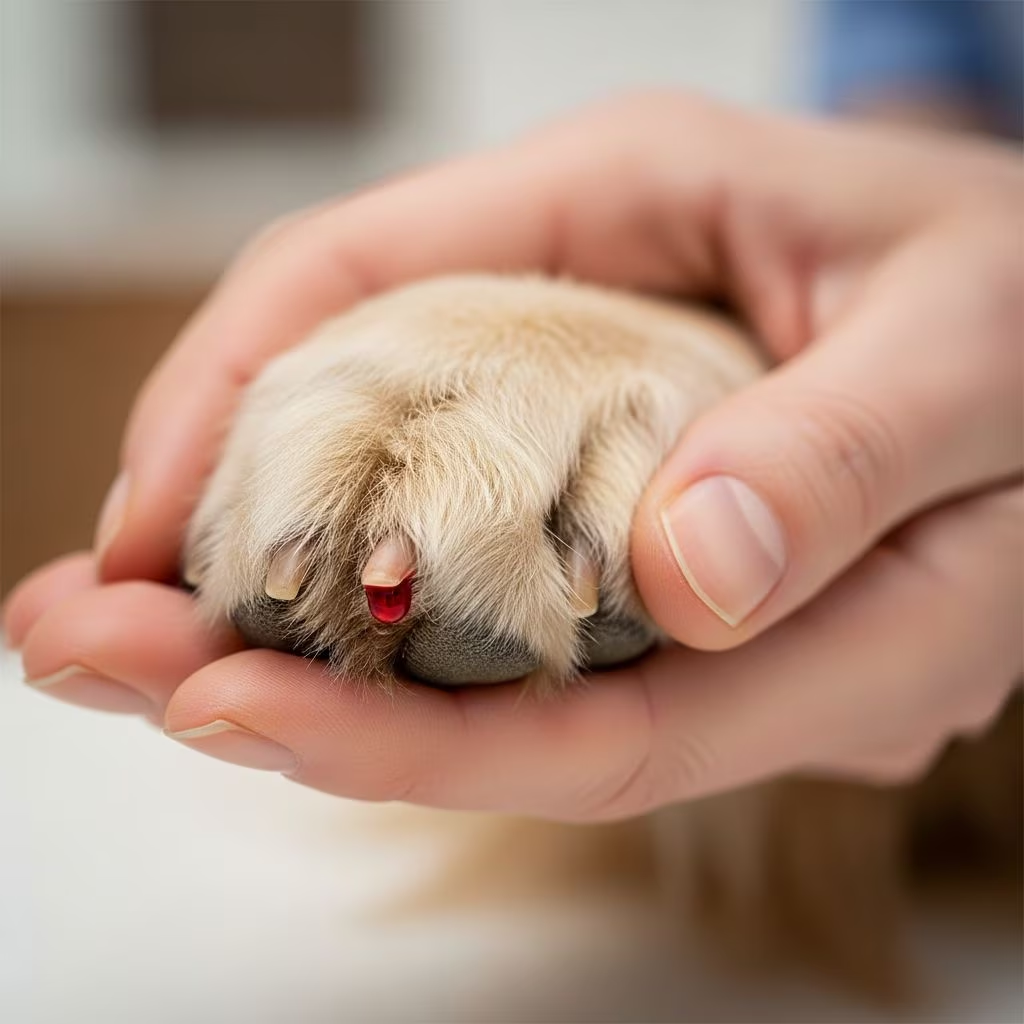
Understanding Dog Nail Bleeding: A Complete Guide
As a dog owner, discovering your furry companion has a bleeding nail can be alarming. While minor nail injuries may seem manageable at home, understanding the underlying causes and knowing when to seek professional help is essential for your dog’s health and comfort. Dog nail bleeding occurs when the sensitive inner portion of the nail, called the quick, becomes exposed or injured. This comprehensive guide covers everything you need to know about managing and preventing this common issue.
Why Do Dog Nails Bleed?
Dog nails contain a highly vascularized structure called the quick, which supplies blood to the nail bed. When this sensitive area is exposed or damaged, bleeding occurs. Understanding the various causes helps you identify when home care is sufficient and when veterinary intervention is necessary.
Common Causes of Bleeding Dog Nails
Broken or Torn Nails
One of the most frequent reasons dog nails bleed is because they break or tear. This commonly occurs when dogs get their nails caught in carpeting, step on rough surfaces, or engage in high-energy play. When a nail splits or tears completely, it exposes the sensitive quick underneath, which is both painful and prone to bleeding. Even minor cracks can lead to significant discomfort for your dog.
Overgrown Nails
Nails that haven’t been regularly trimmed are more susceptible to breaking, especially if they curve inward or press against the paw pad. Dogs with neglected nail care may experience sudden cracks or breaks that lead to bleeding. Additionally, trimming nails too short at home can accidentally cut into the quick, resulting in persistent bleeding and considerable discomfort.
Nail Infections
If a dog’s toenail is bleeding and appears swollen, red, or produces discharge, infection may be present. Bacterial or fungal infections can develop following an injury, improper grooming, or as a result of underlying health conditions. Fungal infections such as onychomycosis make nails brittle and more prone to splitting and cracking.
Autoimmune and Underlying Health Issues
Some dogs suffer from autoimmune diseases that cause brittle nails or impair wound healing. Lupoid onychodystrophy is a rare inflammatory disease that affects the immune system and causes abnormal nail formations, leading to frequent nail damage and excessive bleeding. If your dog’s nails seem unusually fragile or prone to splitting, veterinary assessment of their overall health is warranted.
Blood Clotting Disorders
Certain dog breeds are more susceptible to clotting disorders, such as von Willebrand’s disease or thrombocytopenia. These conditions can cause even minor nail injuries to result in excessive or prolonged bleeding. If your dog’s nail continues bleeding for an extended period, an underlying blood disorder may be responsible and requires prompt veterinary attention.
How to Stop a Bleeding Dog Nail at Home
When your dog’s nail starts bleeding, quick action can minimize blood loss and discomfort. Follow these evidence-based steps to manage the situation safely.
Immediate First Aid Steps
Step 1: Safely Restrain Your Dog
First, calmly restrain your dog to prevent further injury and allow you to work on the affected paw. Keep your dog in a comfortable position where you can easily access the injured nail.
Step 2: Control Bleeding with Pressure
Wrap the injured foot gently in clean gauze or a soft towel and apply firm but gentle pressure directly to the bleeding nail. Maintain continuous pressure for 5 to 10 minutes to allow clotting to begin. Be careful not to wrap the paw too tightly, as excessive pressure can cause swelling and additional discomfort.
Step 3: Apply Clotting Agents
If bleeding doesn’t stop after 10 to 15 minutes of continuous pressure, apply a styptic pencil, silver nitrate stick, or cauterizing powder to the nail. These products are readily available at pet stores or in the first aid section of pharmacies. To apply styptic powder effectively, take a small pinch between your thumb and forefinger and press it directly into the end of the nail, applying direct pressure for one to two minutes while being careful not to squeeze your dog’s toe.
If you don’t have commercial clotting products on hand, several household alternatives can help stop the bleeding:
- Baking powder or flour pressed onto the bleeding nail
- Cornstarch applied directly to the wound
- Sticking the nail tip into a bar of soap
Step 4: Clean and Protect the Wound
Once bleeding has stopped, gently clean the nail with warm water or saline solution. Remove any debris or foreign objects carefully using tweezers if necessary. Apply an over-the-counter antibiotic ointment specifically formulated for dogs’ wounds to aid healing and provide relief from discomfort. Follow all packaging instructions and avoid products containing ingredients toxic to dogs.
When to Seek Veterinary Care
While many cases of nail bleeding can be managed at home, certain situations require professional veterinary attention. Knowing these warning signs helps prevent complications and ensures your dog receives appropriate care.
Red Flags Requiring Immediate Veterinary Attention
- Persistent or Heavy Bleeding: If bleeding doesn’t stop after 15 minutes of continuous pressure and styptic powder application, veterinary intervention is necessary.
- Swelling or Redness: Significant inflammation around the nail bed suggests infection or allergic reaction requiring professional diagnosis and treatment.
- Limping or Visible Pain: If your dog avoids putting weight on the paw, whines frequently, or obsessively licks the area, the injury may be more severe than apparent.
- Discharge or Foul Odor: Pus or unpleasant smells indicate nail infection requiring antibiotics prescribed by a veterinarian.
- Multiple Broken Nails: If more than one nail is affected simultaneously, an underlying health condition may be responsible.
What to Expect During a Veterinary Visit
If you bring your dog to the veterinarian for a bleeding nail, understanding the examination process helps you prepare and know what treatment options may be recommended.
Examination and Diagnosis
Your veterinarian will first thoroughly examine the affected nail and surrounding area. They’ll ask about recent activities or injuries to understand how the problem started. If necessary, they may conduct blood tests or X-rays to check for infections, fractures, or underlying health conditions contributing to the nail bleeding.
Treatment Options Your Vet May Recommend
Clipping or Trimming: If part of the nail is hanging or damaged beyond repair, the vet may carefully remove the damaged portion to promote proper healing.
Antiseptic Cleaning: The wound will be professionally cleaned and disinfected to prevent infection and promote healing.
Bandaging: In some cases, a protective bandage is applied to shield the area as it heals, preventing further irritation or contamination.
Medications: If infection is present, your vet may prescribe oral or topical antibiotics. Pain relievers may also be recommended if your dog shows signs of significant discomfort.
Long-Term Care Advice: For recurring nail issues, your veterinarian provides guidance on nail maintenance, appropriate nail trimming techniques, and any necessary lifestyle adjustments.
Prevention Strategies for Healthy Dog Nails
Preventing nail bleeding is far easier than treating it. Implementing these preventive measures helps keep your dog’s nails healthy and reduces the risk of injury.
Regular Nail Maintenance
The best prevention strategy is maintaining regularly trimmed nails. Overgrown nails are significantly more prone to breaking and splitting. Establish a regular nail trimming schedule with your veterinarian or a professional groomer. When trimming at home, trim only the clear portion of the nail, avoiding the darker quick. As nails get shorter, the blood supply recedes, making it safer to trim without hitting the sensitive quick.
Provide Safe Surfaces for Play
Hard, rough surfaces can cause excessive wear on nails, while slick floors increase the risk of slipping and injuries. Provide your dog with rugs, carpeting, or paw grips on slippery surfaces to maintain traction and prevent accidents that might break nails. Create play areas with appropriate surfaces that minimize trauma to sensitive paws.
Monitor for Signs of Health Issues
If your dog frequently experiences nail problems, schedule regular veterinary visits to rule out underlying medical conditions. Some dogs may require dietary changes or supplements to strengthen their nails and improve overall paw health. Consistent monitoring allows your vet to catch developing issues before they become severe.
Proper Grooming Practices
Use appropriate grooming tools and techniques to avoid cutting too short. Consider having a professional groomer handle nail trimming if you’re uncomfortable doing it yourself. Regular grooming not only maintains nail health but also allows you to inspect paws for early signs of problems.
Frequently Asked Questions About Dog Nail Bleeding
Q: How long does it take for a dog’s bleeding nail to heal?
A: Most minor nail injuries heal within a few days to a week with proper care. However, more severe breaks or infections may take longer. Follow your veterinarian’s aftercare instructions carefully for optimal healing.
Q: Can I use human first aid supplies on my dog’s bleeding nail?
A: Some human first aid items like styptic powder, gauze, and certain antibiotic ointments are safe for dogs. However, always verify that products don’t contain toxic ingredients. When in doubt, use pet-specific products or consult your veterinarian.
Q: Is it normal for a dog’s nail to bleed slightly after trimming?
A: Minor bleeding after nail trimming is common if you’ve trimmed slightly too short, but it should stop quickly with pressure. If bleeding persists, you’ve likely cut into the quick and should avoid this in future trims or seek professional grooming.
Q: What if my dog won’t stop licking their bleeding nail?
A: Excessive licking can prevent clotting and introduce bacteria. After applying first aid, prevent licking by using a cone collar or protective bandage. Monitor the area closely and contact your vet if signs of infection develop.
Q: How can I tell if my dog’s nail bleeding is due to a serious health condition?
A: If your dog experiences frequent nail bleeding, bleeding from multiple nails, or bleeding that’s difficult to stop, underlying health issues may be responsible. Your veterinarian can run tests to identify conditions like clotting disorders or autoimmune diseases.
Q: Should I cover a bleeding dog nail with a bandage?
A: Bandaging can protect the nail and prevent further injury, but ensure it’s not wrapped too tightly. Change bandages regularly and monitor for signs of swelling or infection. Some injuries don’t require bandaging if they’re minor and stopped bleeding.
References
- First Aid for Broken Nails in Dogs — VCA Animal Hospitals. 2024. https://vcahospitals.com/know-your-pet/first-aid-for-broken-nails-in-dogs
- First Aid for Broken Nails on Dogs — PetMD. 2024. https://www.petmd.com/dog/care/first-aid-broken-nails-dogs
- What to Do if Your Dog Breaks or Tears a Nail — MedVet. 2024. https://www.medvet.com/what-to-dog-if-your-dog-breaks-or-tears-a-nail/
- Why a Vet Visit is Needed if Your Dog’s Toenail is Bleeding — Parrish Veterinary Clinic & Urgent Care. 2024. https://parrishvetclinic.com/blog/dogs-toenail-is-bleeding/
- Should My Dog See a Vet if Their Nail is Bleeding? — PVec Vets. 2024. https://pvecvets.com/blog/dog-nail-bleeds/
- The Blood Supply in the Canine Nail and Proper Nail Trimming — Whole Pet Clinic. 2024. https://www.wholepetclinic.com/sites/site-4970/documents/CANINE%20Nail%20Trim.pdf



