Dog Nail Biting: Causes, Remedies, And Vet Advice
Discover why your dog chews its nails and learn effective strategies to stop this behavior before it leads to serious issues.
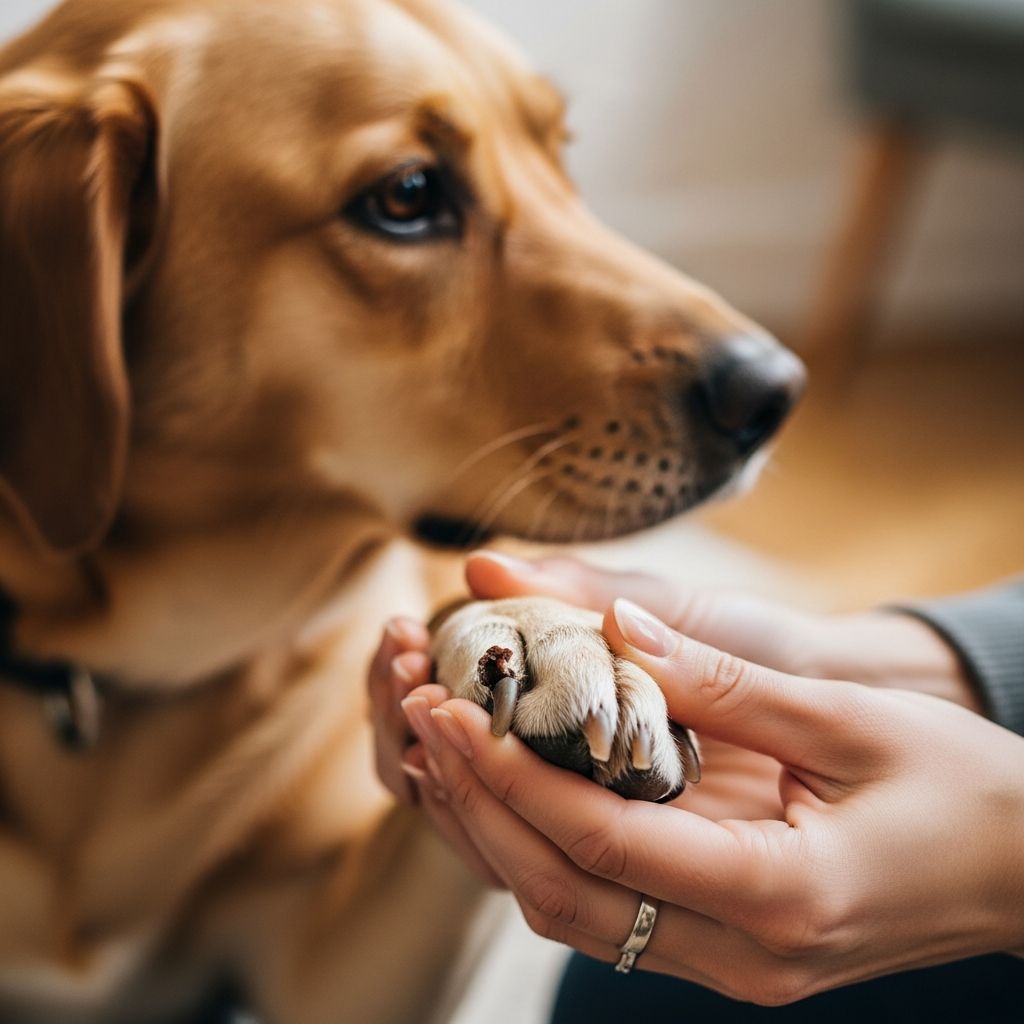
Dog Nail Biting: Causes and Remedies
Dogs occasionally gnaw at their nails during grooming, but persistent biting signals an underlying problem. This behavior can stem from medical conditions like infections or allergies, or behavioral issues such as anxiety. Addressing it promptly prevents complications like infections or pain.
Recognizing Normal vs. Problematic Nail Chewing
Healthy dogs trim their nails naturally through activity on rough surfaces, resulting in brief, occasional nibbling without redness or damage. Problematic chewing involves frequent sessions targeting specific nails, often leading to shortened, frayed, or bleeding nails, swollen pads, or limping.
Observe patterns: Does your dog chew after walks, during stress, or randomly? Note accompanying signs like odor, discharge, or changes in appetite. Early detection allows for targeted intervention.
Medical Causes of Nail Biting in Dogs
Many cases trace back to physical discomfort in the paws. Infections, allergies, and structural issues create itchiness or pain that dogs alleviate by chewing.
Fungal and Yeast Infections
Yeast overgrowth, particularly Malassezia, flourishes in moist paw environments, causing intense itching. Nails turn discolored (yellow-brown), flaky, soft, or odorous, with red, irritated skin between toes. Chewing worsens moisture, perpetuating the cycle. Rusty toe staining is a classic sign of gut-related yeast imbalances.
Bacterial Infections
These often follow injuries, presenting as swollen, warm nail beds with pus, blood, or loose nails. The nail may appear normal initially, but surrounding tissue reddens and discharges. Quick treatment prevents spread to joints or bones.
Allergies Triggering Paw Irritation
Allergies account for up to 30% of chronic paw problems. Environmental allergens (pollen, grass, dust) cause atopic dermatitis, leading to itchy paws. Food intolerances provoke histamine release, resulting in widespread itching focused on feet.
Contact allergies from chemicals or plants localize redness, prompting targeted chewing. Multi-paw involvement distinguishes allergies from single-nail issues.
Parasites and External Irritants
Fleas, ticks, and mites burrow near nails, injecting irritants that spark hypersensitivity. Flea saliva dermatitis causes relentless gnawing, even from minimal infestations. Check for flea dirt (black specks) or live parasites.
Structural and Pain-Related Factors
Beyond infections, physical abnormalities contribute significantly.
Overgrown, Ingrown, or Damaged Nails
Neglected trimming leads to curling nails piercing pads, mimicking human ingrown toenails. Splits or breaks expose quicks, causing pain and bleeding. Active dogs risk trauma from rough terrain.
| Issue | Symptoms | Common in |
|---|---|---|
| Overgrown Nails | Curling into pad, limping | Inactive or senior dogs |
| Ingrown Nails | Painful swelling, chewing focus | Breeds with fast-growing nails |
| Broken Nails | Bleeding, exposed quick | High-energy play |
Joint and Musculoskeletal Pain
Arthritis or hip dysplasia radiates discomfort to paws. Dogs chew for endorphin release, similar to stress behaviors. Back leg focus may link to anal gland issues, where fullness causes scooting and paw gnawing.
Behavioral and Psychological Triggers
Not all chewing is medical; stress or boredom drives compulsive habits.
- Anxiety: Thunderstorms, separations, or changes provoke self-soothing nail biting.
- Boredom: Understimulated dogs redirect energy to paws, especially without exercise.
- Compulsive Disorders: Persistent licking/chewing forms hot spots, resembling human OCD.
Sudden onset with no physical signs points to behavior; monitor for disruptions in sleep or play.
How to Diagnose the Root Cause
Start with a home exam: Inspect all paws for trauma, parasites, or discharge. Trim nails safely and clean with antiseptic. Track behavior in a journal: timing, duration, affected paws.
Vet visits are essential for diagnostics like skin scrapes (parasites), cytology (infections), allergy tests, or radiographs (joints). Bloodwork rules out systemic issues like yeast from gut dysbiosis.
Effective Treatments and Home Remedies
Treatment matches the cause; never self-medicate without guidance.
For Infections
Vets prescribe antifungals for yeast (e.g., ketoconazole) or antibiotics for bacteria. Soak paws in Epsom salt or chlorhexidine; apply cone collars to halt chewing.
Managing Allergies
Hypoallergenic diets, antihistamines, or immunotherapy desensitize. Avoid triggers via frequent baths with medicated shampoos.
Parasite Control
Monthly preventives (topicals/orals) eliminate fleas/ticks. Treat environments thoroughly.
Nail and Pain Care
Professional grinding/clipping every 4-6 weeks. NSAIDs or joint supplements for arthritis.
Behavioral Interventions
Increase exercise, puzzle toys, or calming aids like pheromone diffusers. Train redirects with commands and rewards.
Prevention Tips:
- Regular nail trims and paw checks.
- Balanced diet supporting gut health.
- Parasite preventives year-round.
- Mental stimulation daily.
When to Seek Urgent Veterinary Help
Rush to the vet for bleeding, pus, severe swelling, limping, or fever. These indicate infections spreading or deep trauma. Chronic cases risk acral lick dermatitis—self-inflicted ulcers.
FAQs
Why does my dog only bite one nail?
Localized issues like injury, ingrown nail, or early infection affect single digits. Monitor for progression.
Can diet cause nail biting?
Yes, food allergies or nutrient gaps (e.g., omega-3 deficiency) promote skin issues and yeast.
Is nail biting common in puppies?
Puppies teethe and explore, but excess suggests parasites or allergies. Differentiate from play.
How do I stop my dog from biting nails at night?
Use booties or e-collars overnight; address anxiety with routines.
Are certain breeds prone to this?
Yes, those with allergies (Bulldogs, Labs) or joint issues (German Shepherds).
References
- 7 Reasons Why My Dog is Biting his Paws — My Pet Nutritionist. 2023. https://mypetnutritionist.com/post/7-reasons-why-my-dog-is-biting-his-paws/
- Dog Chewing Nails: What It Means and How to Help — Halo Collar Blog. 2024. https://www.halocollar.com/blog/dog-health/health-care/dogs-chew-toenails/
- Nail Infections in Dogs — PetMD. 2025-01-15. https://www.petmd.com/dog/conditions/skin/nail-infections-dogs
- Why do dogs bite their feet and nails? Causes & Solutions — PeaksnPaws. 2024. https://www.peaksnpaws.com/blogs/dog-chews-toys/why-dogs-bite-their-feet-and-nails-causes-and-solutions
- Dog Biting Nails: Uncovering the Reasons and Finding Solutions — Lane Vet. 2023. https://lanevet.com/blog/dog-biting-nails/
- Why is my dog biting their nails? — Purely Pets Insurance. 2024. https://www.purelypetsinsurance.co.uk/blogs/why-is-my-dog-biting-their-nails/
- Dogs and Compulsive Scratching, Licking, and Chewing — WebMD. 2024-06-20. https://www.webmd.com/pets/dogs/dogs-and-compulsive-scratching-licking-and-chewing
Similar Articles






Read full bio of Sneha Tete