

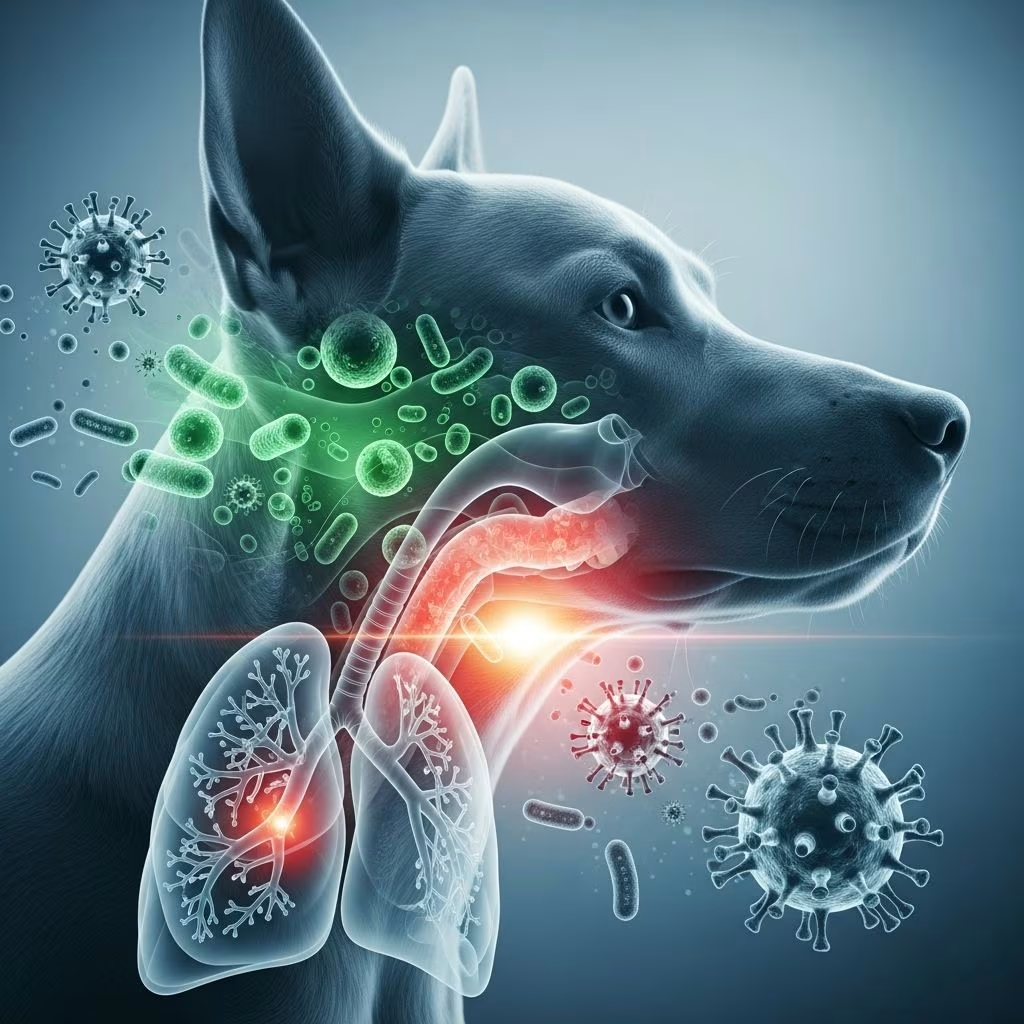
Canine Infectious Respiratory Disease Complex (CIRDC), often called the “dog mystery illness,” has puzzled pet owners with outbreaks of respiratory issues in dogs. This highly contagious condition affects the upper respiratory tract and can range from mild coughs to severe pneumonia. Understanding CIRDC is crucial for dog owners, especially those with pets frequenting high-risk environments like kennels and dog parks.
What is CIRDC?
CIRDC refers to a group of infectious respiratory diseases in dogs caused by multiple pathogens, including viruses, bacteria, and occasionally fungi or parasites. Previously known as kennel cough or infectious tracheobronchitis, CIRDC gained notoriety as a “mystery illness” due to recent unexplained outbreaks with more severe cases than typical. Unlike a single disease, CIRDC is multifactorial, often involving coinfections that exacerbate symptoms.
The condition primarily targets the trachea and bronchial airways, leading to inflammation. It spreads rapidly in places where dogs congregate, such as boarding facilities, daycares, grooming salons, and shows. While most cases are mild and self-limiting, resolving in 1-2 weeks, vulnerable dogs like puppies, seniors, or those with weakened immune systems face higher risks of complications like pneumonia.
Symptoms of CIRDC
Recognizing CIRDC symptoms early can prevent escalation. Common signs include:
- Harsh, dry cough often described as a ‘goose honk’ or retching gag
- Sneezing and nasal discharge (clear to mucopurulent)
- Ocular discharge and mild fever
- Lethargy and decreased appetite
- Increased respiratory rate or labored breathing in severe cases
Symptoms typically appear 5-10 days post-exposure and peak in severity around day 5 before improving. A productive cough, depression, or anorexia signals progression to bronchopneumonia, warranting immediate veterinary attention. Distemper-susceptible dogs may show additional gastrointestinal or neurological signs.
Causes and Risk Factors
CIRDC results from various pathogens transmitted via respiratory droplets, direct contact (nosing, licking), or fomites like bowls and bedding. Key culprits include:
| Pathogen | Type | Notes |
|---|---|---|
| Bordetella bronchiseptica | Bacteria | Common primary or secondary invader; vaccine available |
| Mycoplasma cynos | Bacteria | Often linked to prolonged cases |
| Canine Influenza Virus (CIV H3N8, H3N2) | Virus | Can cause pneumonia; more severe in some strains |
| Canine Parainfluenza Virus | Virus | Contributes to upper airway inflammation |
| Canine Adenovirus Type 2 | Virus | Intragastric vaccines target this |
| Canine Respiratory Coronavirus / Pneumovirus | Virus | Emerging roles in coinfections |
Risk factors amplify severity: young age, immunosuppression, stress, poor ventilation, temperature extremes, and unvaccinated status. High-density settings like shelters and daycares see frequent outbreaks.
How Does CIRDC Spread?
This airborne illness transmits efficiently through:
- Aerosolized droplets from coughing/sneezing (up to several feet)
- Direct muzzle-to-muzzle contact
- Contaminated surfaces (fomites) surviving hours to days
Incubation is 2-10 days, with infected dogs shedding pathogens before symptoms appear, making isolation challenging. Asymptomatic carriers perpetuate spread in group settings.
Diagnosis
Veterinarians diagnose CIRDC via history (recent exposure), clinical signs, and ruling out differentials like heart disease or distemper. Tools include:
- Physical exam and thoracic radiographs for pneumonia
- PCR swabs from nose/throat for pathogens
- Culture/susceptibility for bacterial confirmation
Presumptive diagnosis suffices for mild cases; severe ones require comprehensive testing.
Treatment Options
Most CIRDC cases (70-80%) resolve without intervention in 7-14 days. Supportive care is cornerstone:
- Isolation: Prevent spread; rest in low-stress environment
- Cough suppressants: Hydrocodone for severe cough (avoid if productive)
- Anti-inflammatories: Reduce airway swelling
- Humidification/nebulization: Loosen secretions
Antibiotics (doxycycline preferred) for suspected bacterial involvement, pneumonia, or symptoms >1 week. Hospitalization for oxygen, IV fluids in critical cases. Expectorants like guaifenesin lack efficacy.
Prevention Strategies
No universal CIRDC vaccine exists, but core protections reduce risk:
- Vaccinations: Bordetella (intranasal preferred), canine flu (H3N8/H3N2), parainfluenza, adenovirus-2 via NOBIVAC® INTRA-TRAC®
- Hygiene: Disinfect environments; avoid sharing bowls
- Quarantine: New dogs 2 weeks; isolate sick ones
- Limit exposure: Caution at parks/daycares during outbreaks
- Health maintenance: Stress reduction, balanced nutrition
Update vaccines annually for at-risk dogs.
When to See a Vet
Seek care if:
- Cough persists >1 week or worsens
- Lethargy, fever >103°F, anorexia
- Labored breathing, blue gums
- Puppy/senior/underlying conditions
Early intervention prevents pneumonia.
Frequently Asked Questions (FAQs)
Q: Is CIRDC the same as kennel cough?
A: Yes, CIRDC encompasses kennel cough but includes a broader range of pathogens and potentially severe outcomes.
Q: Can my vaccinated dog get CIRDC?
A: Vaccines reduce severity but don’t prevent all cases due to multiple causes.
Q: How long is my dog contagious?
A: Up to 2-3 weeks, sometimes longer; isolate until cough-free 7-10 days.
Q: Is there a specific treatment for the mystery illness?
A: Treatment is supportive/symptomatic; no single cure due to multifactorial nature.
Q: Should I board my dog during an outbreak?
A: Avoid if possible; ensure facility requires up-to-date vaccines and follows protocols.
Protecting Your Pack from CIRDC
Vigilance is key. Monitor for symptoms, vaccinate proactively, and practice biosecurity. While alarming, most dogs recover fully with proper management. Consult your vet for tailored advice amid ongoing outbreaks.
References
- Canine Respiratory Disease: Pilina Vet’s Guide to Treatment — Pilina Vet. 2023. https://pilina.vet/news/canine-infectious-respiratory-disease-complex-symptoms-treatment-and-risks/
- Canine Infectious Respiratory Disease — PMC – PubMed Central – NIH. 2020-03-20. https://pmc.ncbi.nlm.nih.gov/articles/PMC7132485/
- Canine Infectious Respiratory Disease Complex (CIRDC) — Berkshire Veterinary Hospital. 2023. https://berkshirevet.com/canine-infectious-respiratory-disease-complex-cirdc/
- NOBIVAC® INTRA-TRAC® Canine Infectious Respiratory Disease Complex (CIRDC) — Merck Animal Health USA. 2023. https://www.merck-animal-health-usa.com/hub/nobivac/canine-infectious-respiratory-disease-complex-cirdc/
- General Information Canine Infectious Respiratory Disease — Southern Oregon Veterinary Specialty Center. 2023-11-25. https://www.sovsc.com/wp-content/uploads/2023/11/CIRDS-GeneralInfo-2023Nov25.pdf



