

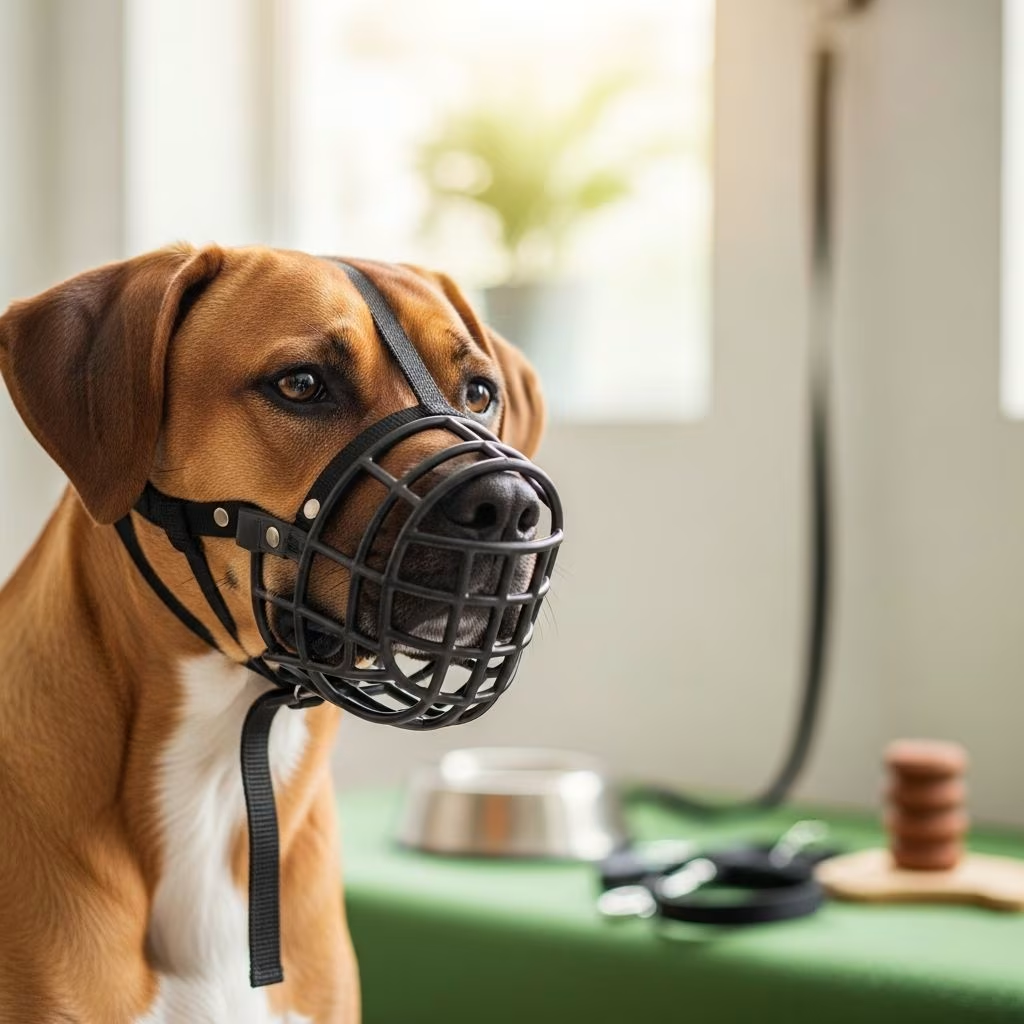
Dog Muzzles: How and Why to Use Them Safely
Dog muzzles are important safety tools that serve multiple purposes in responsible pet ownership. However, they are frequently misunderstood and often surrounded by misconceptions about their purpose and application. A properly fitted and correctly introduced muzzle can be invaluable for managing specific situations, supporting training efforts, and ensuring the safety of your dog, other animals, and people in your community. This comprehensive guide explores when and why to use muzzles, how to select the right type, and the proper training techniques to help your dog become comfortable wearing one.
Understanding the Purpose of Dog Muzzles
Before considering a muzzle for your dog, it is essential to understand what a muzzle is and what it is not. A muzzle is a restraint device designed to prevent a dog from biting, not to suppress normal behaviors like barking or chewing. The primary function of a muzzle is to protect people, other animals, and sometimes the dog itself during specific situations. Many dog owners and trainers view muzzles as a management tool that works alongside training and behavior modification, never as a replacement for proper training.
Understanding this distinction is critical because inappropriate use of muzzles can harm your dog’s wellbeing and fail to address underlying behavioral issues. Instead, muzzles should be part of a comprehensive approach that includes professional training, positive reinforcement, and behavior modification when needed.
When to Use a Dog Muzzle
Managing Aggressive Behavior and Bite Risk
One of the most common reasons to use a muzzle is when a dog has displayed aggressive tendencies or has previously bitten a person or another animal. If your dog lunges, growls, or snaps at other dogs or people, a muzzle can provide an additional layer of safety while you work with a professional trainer on behavior modification. Even dogs without a bite history may benefit from a muzzle if you recognize warning signs of potential aggression, such as resource guarding or fear-based reactivity.
In cases where a dog has already bitten someone, a muzzle becomes not just a helpful tool but sometimes a legal requirement. Many municipalities and insurance policies mandate muzzle use for dogs with documented bite incidents, making proper muzzle training essential for these dogs to participate safely in society.
Veterinary Visits and Medical Procedures
Veterinary clinics and grooming facilities are inherently stressful environments for many dogs. Even the most well-behaved and friendly dogs may react unpredictably when they are afraid, anxious, or experiencing pain. A properly fitted muzzle during veterinary examinations, dental procedures, grooming sessions, or nail trims can prevent accidental bites to veterinary staff and groomers while allowing necessary medical care to proceed safely. Additionally, dogs may be more likely to bite after medical procedures when they are in pain or discomfort, making a muzzle useful during the recovery period.
Using a muzzle at the veterinary clinic also communicates to your veterinarian that your dog requires extra caution and care, ensuring that all staff members are aware of potential bite risk.
Preventing Scavenging and Pica Behaviors
Some dogs have a strong tendency to eat objects they find on walks, a behavior that can lead to serious health consequences including toxin poisoning, choking, or the need for emergency surgery to remove foreign objects from the digestive tract. For dogs with a history of scavenging or eating inedible objects like rocks, sticks, or garbage, a muzzle can prevent these dangerous behaviors during walks and outdoor activities. This is particularly important in urban environments where dogs may encounter discarded food, toxins, or hazardous materials.
However, it is important to remember that while a muzzle prevents the dog from picking up inappropriate items, it does not teach the dog not to attempt to scavenge. Muzzle use should be combined with training exercises that redirect the dog’s attention and reward appropriate behavior on walks.
Managing Fearful and Reactive Dogs
Dogs that are fearful of people, loud noises, or unfamiliar stimuli may display lunging or biting behavior when they feel threatened or anxious. A muzzle can be used as part of a controlled training program to help fearful dogs learn that new stimuli are not dangerous. By creating a safe environment and providing positive associations with the feared stimulus, trainers can gradually help the dog build confidence and reduce reactive behavior.
In these cases, the muzzle serves as a safety tool that allows training to progress without risk of injury, while the dog’s emotional response is being addressed through desensitization and counterconditioning.
Travel and Legal Requirements
Many countries, states, and municipalities have breed-specific legislation or other regulations that require dogs to wear muzzles in public spaces. These laws often apply to breeds considered potentially dangerous, such as Pit Bull Terriers, Rottweilers, and Mastiffs. Even if your dog does not have a history of aggression, familiarizing your dog with a muzzle may be necessary for travel or to comply with local regulations. Training your dog to accept a muzzle proactively ensures that you can comply with these requirements while maintaining your dog’s comfort and wellbeing.
Types of Dog Muzzles: Choosing the Right One
Different muzzle styles serve different purposes, and selecting the appropriate type depends on your dog’s specific needs, the intended duration of use, and your dog’s anatomy. Understanding the advantages and disadvantages of each type is essential for making an informed decision.
Basket Muzzles
Basket muzzles are typically constructed from hard plastic or metal with leather or nylon straps that wrap around the dog’s head. The cage-like structure forms a basket shape that fits around the snout while allowing the dog to open their mouth. These muzzles are widely recommended for extended use and are excellent for long-term wear during walks and outdoor activities. One of the primary advantages of basket muzzles is that they allow dogs to pant normally, drink water, and accept treats through the openings, making them suitable for warm weather and active dogs. Basket muzzles also provide excellent bite protection and are readily available from retailers at affordable prices.
Popular brands like Baskerville offer various styles to accommodate different dog sizes and snout shapes, making them accessible to most dog owners. However, some dogs initially perceive basket muzzles as uncomfortable or may feel self-conscious wearing them, requiring proper introduction and conditioning.
Soft or Sleeve Muzzles
Soft muzzles, also called sleeve muzzles, are typically constructed from nylon or similar fabric materials and gently wrap around the dog’s snout, holding the mouth closed. These muzzles are best used for temporary situations such as nail trims, brief veterinary visits, or short-term restraint. Soft muzzles are lightweight, portable, and easy to fit, making them convenient for emergency situations. They are also less intimidating in appearance to other people compared to basket muzzles.
The primary limitation of soft muzzles is that they prevent the dog from opening their mouth to pant or drink, making them unsuitable for extended use, especially in warm weather or during strenuous activity. Dogs should never be left unattended in a soft muzzle, and these should only be used for the minimum necessary duration.
Vinyl Muzzles
Vinyl muzzles are lightweight, breathable, and transparent, allowing owners to see their dog’s facial expressions and mouth. These muzzles feature a closed front design that makes it difficult for dogs to eat unwanted objects, making them particularly useful for scavenging dogs. Vinyl muzzles typically have multiple openings throughout the design for adequate airflow, and many are available in custom sizes and colors for personalized fit and appearance.
While vinyl muzzles are more comfortable than some alternatives, they are best suited for dogs that are not severe bite risks, as the material may not be as durable as metal or leather options for high-risk situations.
Biothane Muzzles
Biothane is a flexible yet strong synthetic material that combines durability with comfort. Biothane muzzles are waterproof and ideal for active dogs or those who spend time in outdoor water environments. Many manufacturers offer custom-made biothane muzzles that allow owners to choose colors and ensure a personalized fit. While these muzzles typically do not have front openings for feeding, they feature multiple side openings for good airflow.
Biothane muzzles tend to be more expensive than other options, but for dogs requiring extended use, they represent an excellent long-term investment in comfort and durability.
Wire Muzzles
Wire muzzles, typically made from epoxy-coated metal, are very sturdy and provide excellent airflow and feeding access through their openings. These muzzles are ideal for dogs that present a significant bite risk due to their rigid structure and strength. Wire muzzles are particularly popular in working dog environments, bite sports, and animal shelter settings where bite protection is paramount.
Leather Muzzles
Leather muzzles are generally considered the safest and sturdiest option available. They feature strong straps and are designed to reliably prevent biting in high-risk situations. Leather muzzles are often used for working dogs and dogs that participate in bite sports. However, they require regular maintenance and conditioning and tend to be more expensive than other options.
Proper Muzzle Fitting and Adjustment
Selecting the correct muzzle type is only the first step; ensuring proper fit is equally important for your dog’s comfort, safety, and the effectiveness of the muzzle. A poorly fitted muzzle can slip off, cause discomfort, or fail to prevent biting in situations where protection is needed.
A well-fitted muzzle must be snug and secure to prevent slipping, being shaken off, or being pulled off by other dogs, but it should never be so tight that it causes discomfort or restricts the dog’s ability to breathe and pant. When a basket muzzle is properly fitted, you should be able to slip one finger under the straps at the back of the dog’s head. The muzzle should not pinch the sides of the snout or cause any visible signs of discomfort.
Different dogs have different snout shapes, so finding the right size is essential. Brachycephalic breeds with flat faces may require specially designed muzzles that accommodate their unique facial structure. Consulting with your veterinarian or a professional dog trainer can help you select the appropriate size and style for your individual dog.
Training Your Dog to Accept a Muzzle
Perhaps the most critical aspect of responsible muzzle use is properly introducing and conditioning your dog to wear one. Many dogs initially fear or resist muzzles, but with patience and positive associations, most dogs can learn to accept and even enjoy wearing one. Rushed or forced muzzle introduction can create negative associations that make future use more difficult.
Step-by-Step Conditioning Process
Begin by introducing the muzzle during calm, positive interactions. Allow your dog to sniff and investigate the muzzle without pressure or expectation. Apply sticky, appealing foods like peanut butter to the inside of the muzzle to create positive associations. Reward your dog heavily for approaching the muzzle and showing interest in the food reward inside.
Gradually progress to brief periods where the muzzle is positioned near your dog’s snout, still rewarding calm behavior. Next, practice having your dog insert their snout into the muzzle for treats, rewarding heavily. Only after your dog willingly puts their snout in the muzzle should you begin fastening the straps, starting with very brief periods and gradually extending the duration.
Throughout this process, never force the muzzle onto your dog, scold them for resistance, or use the muzzle as punishment. These negative associations can create fear and anxiety around muzzle wearing, making the tool less effective and more stressful for your dog.
Progressive Exposure and Duration
Once your dog accepts the muzzle during calm indoor sessions, begin wearing it during enjoyable activities like walks and play sessions in low-stress environments. Pair muzzle wearing with positive experiences so your dog begins to associate the muzzle with good things happening. Gradually increase the duration and introduce the muzzle in more challenging environments as your dog becomes more comfortable.
Remember that muzzle training is an ongoing process. Continue practicing and reinforcing positive associations even after your dog appears comfortable wearing the muzzle. Some dogs may regress if muzzle wearing becomes infrequent or if stressful situations occur while the dog is wearing one.
Common Myths and Misconceptions About Muzzles
Myth: Muzzles are a punishment
Muzzles are tools for safety management, not punishment. When introduced properly with positive associations, many dogs learn to accept and become comfortable wearing them.
Myth: Muzzles solve behavioral problems
Muzzles prevent biting but do not change a dog’s underlying emotional responses or behavior. Professional training and behavior modification are essential for addressing aggression and other behavioral issues.
Myth: All muzzles are the same
Different muzzle types serve different purposes. Selecting the appropriate type for your dog’s needs and situation is essential for comfort, safety, and effectiveness.
Myth: Muzzles prevent dogs from breathing or drinking
Properly designed basket muzzles allow normal panting, drinking, and eating. Only soft muzzles restrict the mouth, and these should only be used for brief periods.
Frequently Asked Questions
Q: Is it cruel to use a muzzle on a dog?
A: When properly fitted and introduced with positive associations, muzzles are not cruel. They are safety management tools. Many behaviorists and trainers recommend muzzles for dogs with bite history or aggression concerns as part of responsible ownership.
Q: How long can a dog wear a muzzle?
A: Duration depends on muzzle type. Basket muzzles can be worn for extended periods during walks and outdoor activities. Soft muzzles should only be worn for brief periods (minutes to an hour). Your dog should never be left unsupervised while wearing any muzzle.
Q: Can I leave my dog unsupervised while wearing a muzzle?
A: No. Dogs should always be supervised while wearing any type of muzzle. Unsupervised muzzle wearing poses choking risks and other safety hazards.
Q: Will a muzzle stop my dog from barking?
A: No. Muzzles do not prevent barking; they prevent biting. If your dog is barking excessively, you should address this with training, not a muzzle.
Q: How do I know what size muzzle my dog needs?
A: Proper sizing depends on your dog’s snout length and circumference. Most muzzle manufacturers provide sizing charts based on breed or measurements. Your veterinarian or professional trainer can help ensure proper fit.
Q: Can I use a muzzle to prevent my dog from eating garbage?
A: Yes, a properly fitted basket or vinyl muzzle can prevent scavenging during walks. However, combine muzzle use with training to teach your dog to focus on you and avoid picking up items.
References
- Is a Dog Muzzle Right for Your Pet? Here’s What to Consider — Mia’s Muzzles. 2024. https://miasmuzzles.com/is-a-dog-muzzle-right-for-your-pet-what-to-consider/
- A Guide to Choosing the Right Muzzle — Deb Jones Dog Training. 2024. https://k9infocus.com/a-guide-to-choosing-the-right-muzzle/
- 6 Ways That a Dog Muzzle Can Help Protect You and Your Dog — Business Insider. 2024. https://www.businessinsider.com/guides/pets/dog-muzzle-when-how-to-use
- Muzzle Choices — Cornell University College of Veterinary Medicine. 2024. https://www.vet.cornell.edu/departments-centers-and-institutes/riney-canine-health-center/canine-health-information/muzzle-choices
- Muzzles for Dogs – Correct Fit and Training — Four Paws. 2024. https://www.fourpawsusa.org/our-stories/publications-guides/muzzles-for-dogs-correct-fit-and-training
- Dog Muzzles: When, Why, and How to Correctly Use Them — American Kennel Club. 2024. https://www.akc.org/expert-advice/training/dog-muzzles-when-why-how-to-use/



