

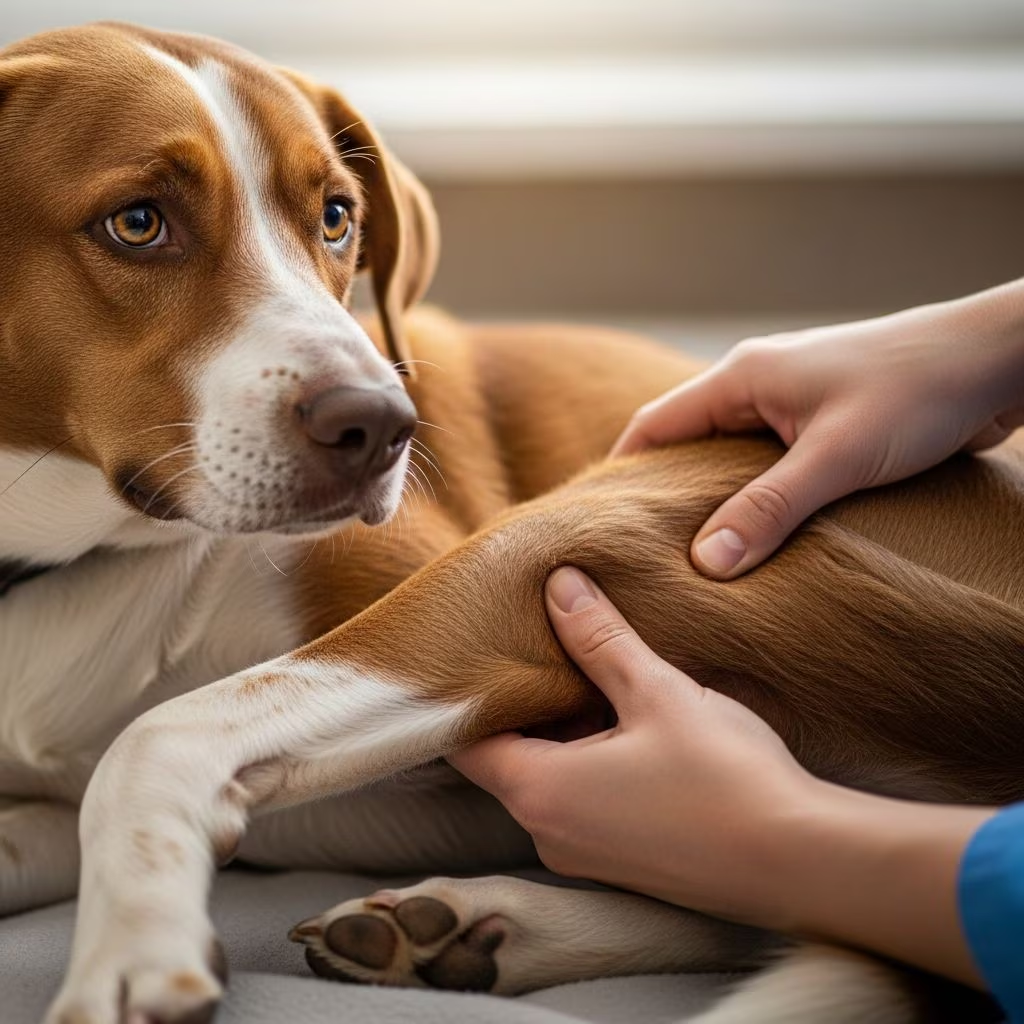
Muscle spasms in dogs manifest as sudden, involuntary contractions that can affect one limb, multiple areas, or the entire body. These episodes range from mild twitching to intense trembling, often alarming pet owners but frequently resolving with proper care. Understanding the triggers and responses is key to ensuring your dog’s well-being.
Recognizing the Signs of Muscle Spasms
Owners often notice **twitching legs**, especially in the hindquarters, during rest or after activity. Other indicators include stiffness, limping, or whole-body shakes that differ from normal shivering. Distinguishing spasms from seizures is crucial: spasms are localized and rhythmic, while seizures involve loss of consciousness and widespread convulsions. Puppies may show benign tremors, but persistent cases warrant attention.
Primary Triggers Behind Canine Muscle Spasms
Several factors contribute to these episodes, categorized into physical, environmental, and medical origins.
Physical Overload and Injuries
Active breeds like retrievers or herding dogs are prone to strains from jumps, runs, or slips. Overexertion leads to protective spasms that signal muscle fatigue or tears. Hind leg spasms post-exercise are common, as these support the dog’s weight during movement.
Fluid and Nutrient Deficiencies
**Dehydration** disrupts muscle function by impairing contractions, especially after hot weather play or illness. Electrolyte losses—low potassium, calcium, or magnesium—exacerbate this, mimicking cramps in humans. Hypocalcemia, or low blood calcium, strikes nursing females (eclampsia), causing diffuse tremors.
Nerve and Brain-Related Issues
Nerve compression or damage from toxins, inflammation, or disorders provokes spasms. Pesticides, snail bait, chocolate, or flea treatments like isoxazoline can induce tremors. Conditions such as paroxysmal dyskinesia trigger exercise-induced attacks in specific breeds.
Other Contributors
- Environmental factors: Cold exposure or excitement causes benign shakes.
- Allergies: Inflammation from allergens may localize spasms.
- Metabolic imbalances: Low glucose or organ diseases lead to systemic trembling.
| Cause Type | Examples | Affected Areas | Frequency |
|---|---|---|---|
| Physical | Strain, injury | Hind legs, back | Post-activity |
| Nutritional | Dehydration, low Ca/Mg | Whole body | After exercise/illness |
| Neurological | Toxins, nerve damage | Localized or full | Variable |
Diagnostic Steps for Accurate Identification
Veterinarians start with a history review: onset, duration, triggers, and breed predispositions. Physical exams check for pain, swelling, or gait issues. Blood tests assess electrolytes, calcium, and toxins; imaging like X-rays or ultrasounds reveals injuries; advanced cases may need MRI for neurological evaluation. Early diagnosis prevents chronic problems.
Effective Treatment Strategies
Tailored plans address root causes while providing relief.
Immediate Supportive Measures
Enforce rest in a quiet space. Hydrate with fresh water or vet-approved electrolyte solutions. Apply cold packs (wrapped, 10-15 mins) for acute swelling, switching to warm compresses after 72 hours to boost circulation. Gentle massage relaxes tense muscles, but avoid if pain is evident.
Pharmacological Interventions
Muscle relaxants like methocarbamol ease contractions; NSAIDs or gabapentin manage pain and inflammation. Anticonvulsants treat seizure mimics; IV fluids correct imbalances emergently. Never use human meds, as they can be toxic.
Advanced Therapies
Physical therapy includes stretching, hydrotherapy, and laser treatments for rehab. Supplements with magnesium, Omega-3, or vitamins bolster recovery. Surgery corrects severe nerve entrapments or orthopedic issues. Breed-specific care, like diazepam for Scotty cramp, targets genetics.
Home Management and Prevention Tactics
Proactive steps reduce recurrence.
- Ensure constant water access, more during heat or activity.
- Maintain balanced diets rich in electrolytes; consult vets for supplements.
- Gradual exercise buildup prevents strains, especially for seniors or pups.
- Monitor for toxins; use vet-safe preventives.
- Regular check-ups catch early metabolic shifts.
When to Seek Urgent Veterinary Care
Rush to the vet if spasms persist >24 hours, accompany collapse, vomiting, or fever, or follow toxin exposure. Whole-body tremors with disorientation signal emergencies like eclampsia or poisoning. Prompt action saves lives.
Frequently Asked Questions (FAQs)
Are dog muscle spasms always serious?
No, many are benign from fatigue or cold, but ongoing cases need vet evaluation.
Can I massage my dog’s spasming leg?
Yes, gently if no pain, but confirm with a vet first.
Do vaccines or flea meds cause spasms?
Rarely; isoxazoline products may in seizure-prone dogs.
How long do spasms from dehydration last?
Typically resolve with fluids within hours.
Is surgery common for spasms?
Only for structural issues like nerve damage.
Long-Term Outlook and Breed Considerations
Most dogs recover fully with treatment, regaining mobility. Breeds like Dobermans (dancing disease) or Cavaliers may need lifelong management. Track patterns in a journal for vet insights. With vigilance, spasms become rare interruptions, not ongoing concerns.
References
- Muscle Spasms in Dogs: Causes and Treatment Methods — Blue Water Vet Acupuncture. 2023. https://bluewatervetacupuncture.sg/dog-muscle-spasms/
- Muscle Spasms in Dogs: Causes and Treatment — Benefab Products. 2023. https://benefabproducts.com/blogs/blog/muscle-spasms-in-dogs-causes-and-treatment
- 2025 Vet Guide: Understanding & Managing Dog Muscle Spasms — Ask A Vet. 2025. https://askavet.com/blogs/pet-health-safety/2025-vet-guide-understanding-managing-dog-muscle-spasms-%F0%9F%90%B6%F0%9F%92%AA
- What Causes Muscle Spasms in Dogs’ Hind Legs? — K9 Carts. 2023. https://k9carts.com/blogs/resources/muscle-spasms-in-dogs-hind-legs
- Dog Muscle Spasms: Common Causes and When To Call The Vet — PetMD. 2023. https://www.petmd.com/dog/symptoms/dog-muscle-spasms



