

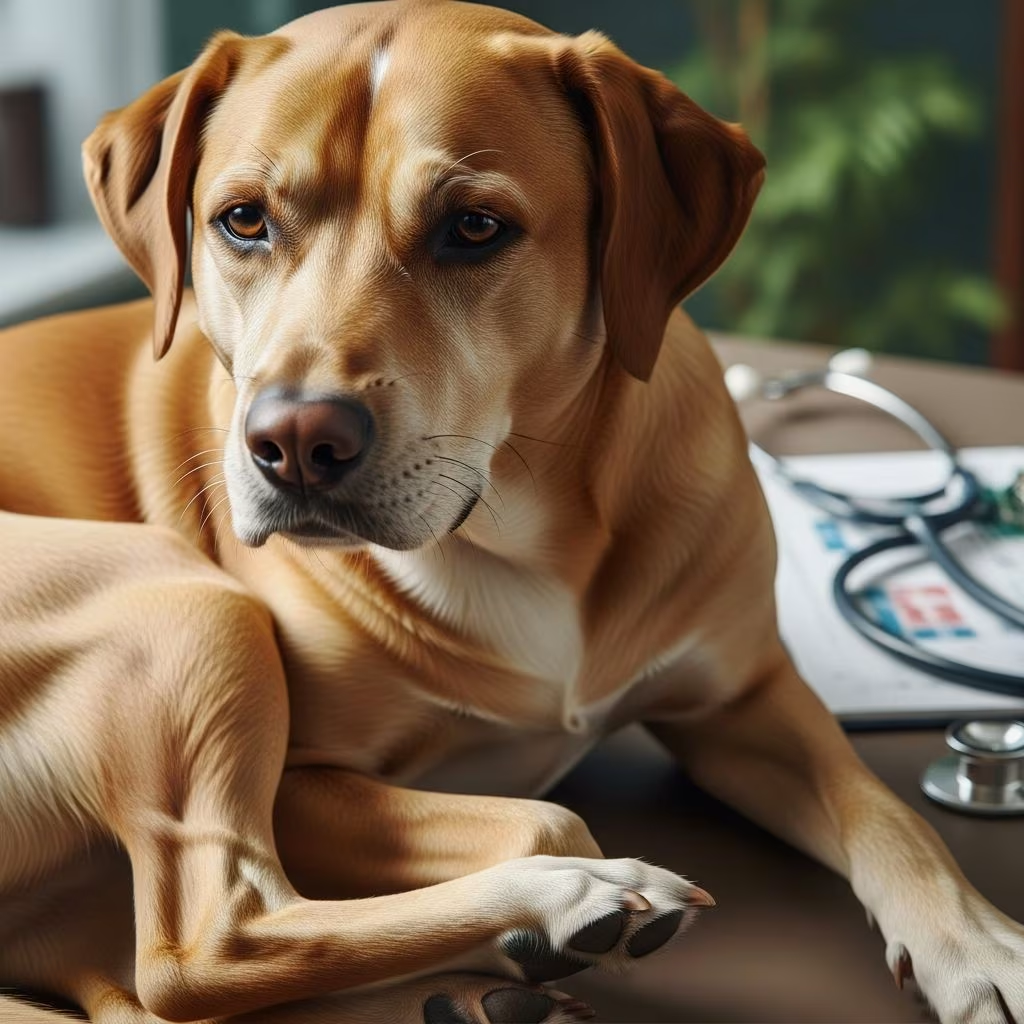
Muscle disorders in dogs represent a diverse group of medical conditions that can significantly impact a pet’s mobility, quality of life, and overall wellbeing. These conditions range from inherited genetic disorders to acquired immune-mediated diseases, and they present varying levels of severity depending on the underlying cause. Pet owners who recognize the signs of muscle disease early and seek appropriate veterinary care can help their dogs maintain better function and comfort throughout their lives.
The Neuromuscular Junction and How It Functions in Dogs
The neuromuscular junction serves as the critical communication point between nerves and muscles in canine bodies. This specialized structure allows electrical signals from the nervous system to be converted into chemical messages that instruct muscles to contract and move. When this junction operates properly, dogs can walk, run, play, and perform all their normal physical activities. However, when disease or injury disrupts this communication pathway, the results can be profound, affecting a dog’s ability to perform even basic functions like eating and walking.
Understanding how these conditions develop helps pet owners appreciate why certain diagnostic tests are necessary and why specific treatment approaches are recommended by veterinarians.
Myasthenia Gravis: When Nerve-Muscle Communication Fails
Myasthenia gravis represents one of the most common neuromuscular conditions affecting dogs. This disorder occurs when the dog’s immune system interferes with the transmission of signals at the neuromuscular junction, preventing muscles from receiving the “contract” command effectively. The result is progressive weakness and rapid muscle fatigue that improves with rest.
Recognizing Myasthenia Gravis Symptoms
Dogs with myasthenia gravis typically display a characteristic pattern of weakness that distinguishes this condition from other muscle disorders. The symptoms often follow a predictable timeline related to activity levels.
- Generalized muscle weakness that becomes more pronounced during physical activity
- Difficulty standing, walking, or climbing stairs, especially after exertion
- Rapid fatigue requiring frequent rest periods during normal play or exercise
- Enlarged esophagus (megaesophagus) leading to swallowing difficulties
- Increased risk of aspiration pneumonia due to impaired swallowing reflexes
- Regional weakness affecting the throat and eye muscles in some cases
- Acute collapse during physical exertion in severe presentations
Pet owners often notice their dogs improve significantly after rest periods, which is a hallmark characteristic of myasthenia gravis that helps distinguish it from other progressive muscle diseases.
Diagnosing Myasthenia Gravis
Veterinarians employ several diagnostic tools to confirm myasthenia gravis and rule out other conditions:
The Tensilon Test: This diagnostic procedure involves administering edrophonium chloride, a medication that temporarily improves muscle strength in affected dogs by enhancing acetylcholine availability at the neuromuscular junction. A positive response strongly supports the diagnosis.
Electromyography (EMG): This specialized test measures the electrical activity patterns of muscles and nerves, revealing abnormal patterns characteristic of neuromuscular diseases. EMG can demonstrate a decremental response of 20% or more upon repetitive stimulation, which confirms neuromuscular junction dysfunction.
Imaging Studies: Chest X-rays help detect megaesophagus and identify aspiration pneumonia complications that commonly develop with this condition.
Managing Myasthenia Gravis Through Medical Treatment
While myasthenia gravis cannot be cured, proper medical management can dramatically improve a dog’s function and quality of life. Treatment typically involves a combination of medications and supportive care strategies.
Anticholinesterase Medications: Drugs like pyridostigmine and neostigmine work by increasing acetylcholine availability at the neuromuscular junction, allowing improved muscle contractions. Dogs may require hospitalization initially to establish proper medication dosages, with treatment often successful within 2-3 weeks.
Immunosuppressive Therapy: In cases not responding adequately to anticholinesterase drugs alone, corticosteroids or other immune-suppressing medications may be prescribed to reduce the immune system’s attack on neuromuscular junction components.
Surgical Intervention: For dogs with identified thymomas or those responding poorly to medical therapy, thymectomy (surgical removal of the thymus gland) may be recommended.
Supportive Care Strategies for Myasthenia Gravis
Beyond medication, several management strategies improve outcomes:
- Elevated feeding positions to minimize aspiration risk and manage megaesophagus complications
- Gentle physical therapy to maintain muscle strength without causing excessive fatigue
- Regular veterinary monitoring to assess treatment response and adjust medications as needed
- Rest and activity limitation during acute flare-ups
Polymyositis: Inflammatory Attack on Muscle Tissue
Polymyositis represents the most frequently observed non-traumatic muscle disease in dogs. This inflammatory condition results from the immune system attacking the dog’s own muscle tissue, leading to inflammation, weakness, and muscle wasting throughout the body.
Understanding Polymyositis Development
The primary cause of polymyositis is an idiopathic immune-mediated attack on muscle tissue affecting primarily skeletal muscles. Secondary causes include immune-mediated infections, certain medications, and underlying cancer. Certain breeds, including Newfoundlands and Boxers, appear genetically predisposed to this condition.
Clinical Presentation of Polymyositis
Dogs with polymyositis present with a distinctive constellation of symptoms that reflect widespread muscle inflammation:
- Stiff, stilted gait with abnormal movement patterns
- Generalized muscle weakness and loss of muscle mass
- Muscle pain and tenderness, particularly when affected areas are touched
- Painful or stiff neck
- Depression and lack of energy
- Significant weight loss
- Exercise intolerance and lameness
- Swallowing difficulties if laryngeal and pharyngeal muscles are involved
- Regurgitation when esophageal involvement occurs
- Skin lesions (specifically in the dermatomyositis variant)
The condition may develop suddenly or progress gradually, and it can be recurring and relapsing in nature.
Treatment Approaches for Polymyositis
Corticosteroids form the foundation of polymyositis treatment, as they suppress the immune system’s inflammatory response. Additional immune-suppressing medications may be employed in cases requiring more aggressive intervention. The prognosis for recovery depends on the underlying cause and the dog’s response to treatment.
Degenerative Muscle Conditions: Chronic Wasting Disorders
Degenerative myopathies present differently from inflammatory muscle diseases, as they involve muscle wasting without the characteristic pain and stiffness seen in polymyositis. These conditions often progress slowly and may primarily affect specific muscle groups.
Clinical Features of Degenerative Myopathy
Dogs with degenerative myopathies typically exhibit muscle wasting in either localized areas or throughout the body. Unlike polymyositis, pain and stiffness are not prominent features. When masticatory muscles are involved, dogs may show difficulty eating despite muscle involvement, but trismus (lockjaw) does not occur. The primary complaints involve weakness and exercise intolerance in the affected areas.
Inherited Muscle Disorders in Specific Breeds
Some muscle disorders are genetically inherited and appear predominantly in certain dog breeds. Great Dane myopathy exemplifies this category of disease. This inherited disorder affects young Great Danes and has been documented in England, Australia, and Canada. Affected dogs develop muscle tremors following exercise, progressive weakness, and muscle wasting.
Diagnosis involves blood testing, electromyography, and muscle biopsy to confirm the condition. Unfortunately, treatment remains purely supportive, aimed at minimizing clinical signs rather than curing the underlying genetic defect.
Exercise-Related Muscle Conditions: Exertional Myopathy
Exertional myopathy, also known as rhabdomyolysis, occurs specifically in racing Greyhounds and other working dogs after intensive physical exertion. This condition develops when intense exercise triggers an inadequate blood supply to muscles, causing cellular destruction that can progress to kidney disease.
Characteristic signs appear 24 to 72 hours after racing or excessive activity and include significant muscle pain and swelling. Dogs engaged in high-intensity work require careful conditioning and monitoring to prevent this serious condition.
Traumatic Muscle Injuries: Iliopsoas Muscle Damage
The iliopsoas muscle, a pelvic muscle critical for hind limb movement, can sustain traumatic injuries in active dogs causing sudden or long-term lameness. These injuries commonly occur during jumping, running, or sudden directional changes. Veterinarians diagnose iliopsoas trauma through physical examination findings combined with X-ray and ultrasound imaging. Treatment typically involves rest and nonsteroidal anti-inflammatory medications to reduce pain and swelling.
Diagnostic Approaches to Muscle Disorders
Accurate diagnosis of muscle disease requires a systematic approach incorporating multiple diagnostic modalities:
- Detailed Health History: Veterinarians request comprehensive information about symptom onset, progression patterns, and any triggering events or factors.
- Physical Examination: Complete neurological and orthopedic assessment reveals muscle atrophy, weakness patterns, and abnormal reflexes.
- Laboratory Testing: Complete blood count, biochemistry profile, and urinalysis establish baseline health and reveal abnormalities suggesting specific conditions.
- Advanced Imaging: Radiographs and ultrasound help identify structural changes, megaesophagus, and soft tissue injuries.
- Electromyography: This specialized test documents abnormal electrical activity patterns characteristic of specific neuromuscular diseases.
- Muscle Biopsy: Direct tissue examination under microscopy provides definitive diagnosis when other tests are inconclusive.
General Treatment Principles for Muscle Disorders
While specific treatments vary by condition, several general principles apply across most canine muscle diseases. Nonsteroidal anti-inflammatory drugs provide pain relief and reduce inflammation in conditions like exertional myopathy and traumatic injuries. Mild cases often respond well to rest and conservative management.
More severe or chronic cases may require corticosteroid injections or surgical intervention. Long-term cases resistant to multiple treatments sometimes necessitate surgery, though chronic degeneration may result in persistent lameness despite treatment.
Prognosis and Long-Term Outlook
The prognosis for dogs with muscle disorders depends significantly on the specific diagnosis, severity at presentation, and the dog’s response to treatment. Some conditions, like specific traumatic injuries, carry excellent recovery outlooks with appropriate management. Others, such as inherited degenerative myopathies, require lifelong supportive care to maintain quality of life.
Regular veterinary monitoring remains essential for all dogs with muscle disease, allowing veterinarians to adjust treatment protocols and identify complications early.
Frequently Asked Questions About Canine Muscle Disorders
Can muscle disorders in dogs be prevented?
While genetic conditions cannot be prevented, responsible breeding practices can reduce inherited muscle disease incidence. Immune-mediated conditions and traumatic injuries cannot always be prevented, though appropriate exercise conditioning and avoiding excessive exertion in susceptible breeds may reduce risk.
How long do dogs with myasthenia gravis typically survive?
Survival depends on disease severity and treatment response. Many dogs managed appropriately with medications live normal lifespans, though some may experience complications like aspiration pneumonia affecting longevity.
Is physical therapy beneficial for dogs with muscle disease?
Yes, gentle physical therapy can help maintain muscle strength and function in dogs with certain muscle disorders. Physical therapy must be carefully tailored to avoid excessive fatigue in dogs with conditions like myasthenia gravis.
Can diet help manage muscle disorders?
While diet alone cannot treat muscle disease, appropriate nutrition supports overall health and recovery. Elevated feeding positions help manage megaesophagus complications in myasthenia gravis, reducing aspiration risk during meals.
References
- Myasthenia Gravis in Dogs: Symptoms and Treatment — Partners Animal Hospital Asheville. https://partnersvetavl.com/?p=4029
- Muscle Disease in Dogs | Symptoms and Care — Dr. Bill’s Pet Nutrition. https://drbillspetnutrition.com/canine-muscle-disease/
- Muscle Disorders in Dogs – Dog Owners — Merck Veterinary Manual. https://www.merckvetmanual.com/dog-owners/bone-joint-and-muscle-disorders-of-dogs/muscle-disorders-in-dogs
- Generalized Inflammatory Muscle Diseases in Dogs — PetMD. https://www.petmd.com/dog/conditions/musculoskeletal/c_dg_polymyositis_dermatomyositis
- Neuromuscular Disease — North Downs Specialist Referrals. https://www.ndsr.co.uk/insights/neuromuscular-disease/
- Neuromuscular Disorders Fact Sheet — Davies Veterinary Specialists. https://www.vetspecialists.co.uk/fact-sheets-post/neuromuscular-disorders-fact-sheet/
- Overview of Musculoskeletal Disorders and Diseases in Dogs — MSD Veterinary Manual. https://www.msdvetmanual.com/dog-owners/bone-joint-and-muscle-disorders-of-dogs/overview-of-musculoskeletal-disorders-and-diseases-in-dogs



