

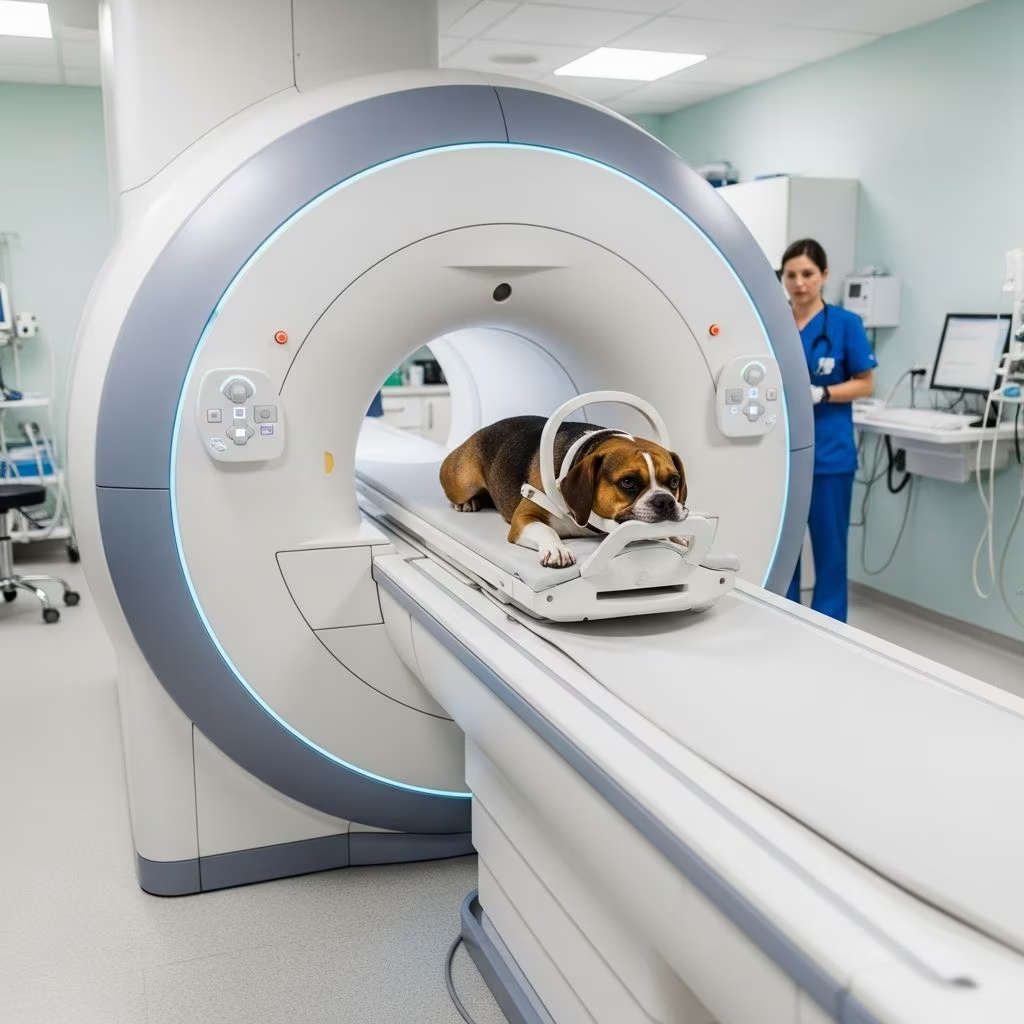
Advanced diagnostic imaging like MRI scans plays a crucial role in identifying complex health issues in dogs, with costs typically ranging from $1,500 to $4,000 per procedure depending on location and specifics.
Understanding the Role of MRI in Canine Diagnostics
Magnetic Resonance Imaging (MRI) for dogs offers unparalleled detail of soft tissues, surpassing traditional X-rays by using magnetic fields and radio waves to produce high-resolution images without radiation exposure. This technology excels in visualizing the brain, spinal cord, joints, and internal organs, aiding veterinarians in diagnosing elusive conditions.
Veterinary professionals recommend MRIs when initial tests like blood work or radiographs fail to explain symptoms such as seizures, coordination loss, or persistent pain. For instance, it can reveal herniated discs, tumors, or ligament damage invisible to other methods.
Key Factors Driving Dog MRI Expenses
Several elements contribute to the final bill for a dog’s MRI, making it essential for owners to anticipate variables.
- Geographic Location: Urban veterinary centers charge more due to higher operational costs, with coastal cities often 20-50% pricier than rural areas.
- Facility Type: University-affiliated hospitals or specialty imaging clinics command premium rates for cutting-edge equipment and board-certified staff.
- Dog’s Size and Weight: Larger breeds require more anesthesia and may need adjusted machine settings, increasing fees.
- Scan Complexity: Multi-region imaging or high-resolution protocols extend scan times from 30 to 90 minutes, raising costs.
- Urgency and After-Hours: Emergency scans incur surcharges for immediate access.
Additional charges often include pre-procedure blood panels ($100-$300), IV catheter placement ($50-$150), and specialist consultations ($200-$500).
Average Cost Breakdown for Dog MRIs
Pet owners can expect the following typical price ranges based on standard veterinary practices:
| Component | Low-End Cost | High-End Cost | Notes |
|---|---|---|---|
| MRI Scan Fee | $1,200 | $3,000 | Core imaging; varies by duration |
| Anesthesia | $300 | $800 | General anesthesia required for stillness |
| Pre-Anesthetic Bloodwork | $100 | $300 | Checks organ function |
| Monitoring & Recovery | $200 | $500 | Vital signs oversight |
| Neurologist Interpretation | $200 | $600 | Expert analysis of images |
| Total Estimate | $1,500 | $4,000+ | Includes all components |
These figures reflect national averages; actual quotes should be obtained from local providers.
Preparation Steps Before Your Dog’s MRI
Thorough preparation ensures safety and optimal results. Start with a veterinary exam to confirm your dog is anesthesia-stable, including blood tests for liver and kidney function, and possibly cardiac evaluations.
Withhold food for 12 hours prior but allow water access. Arrive early for IV line insertion, which facilitates fluid therapy and medication delivery during the procedure.
Discuss your dog’s medical history, including implants, as most modern MRIs accommodate non-ferrous metals safely.
The Complete Dog MRI Procedure Explained
The process demands precision to capture clear images while prioritizing pet comfort.
- Admission and Check-In: Veterinary staff performs final health assessments.
- Anesthesia Induction: Injectable or inhalant anesthesia ensures immobility; monitoring tracks heart rate, respiration, oxygen, and temperature continuously.
- Positioning in Scanner: The dog is placed in the tube-shaped magnet, which aligns water molecules via radio waves for 3D imaging.
- Scanning Phase: Lasts 30-90 minutes; technicians adjust for targeted areas like the brain or spine.
- Recovery Monitoring: Post-scan, the dog awakens in a warm area, often ready to go home same-day.
Owners typically wait nearby and receive preliminary findings before discharge.
Safety Profile of Veterinary MRIs for Dogs
MRIs pose minimal risks, being radiation-free and non-invasive. The primary concern is anesthesia, mitigated by modern protocols and vigilant monitoring—complication rates remain low, under 1% in healthy patients.
Sedation suffices for some, but general anesthesia is standard to prevent motion artifacts. Facilities with board-certified anesthesiologists enhance safety margins.
When to Consider MRI Over Other Imaging Options
Compare MRI with alternatives to justify its cost:
| Modality | Best For | Cost Range | Radiation? |
|---|---|---|---|
| X-Ray | Bones, chest | $100-$400 | Yes |
| Ultrasound | Organs, real-time | $300-$800 | No |
| CT Scan | Detailed bones, tumors | $1,000-$2,500 | Yes |
| MRI | Soft tissues, brain/spine | $1,500-$4,000 | No |
Opt for MRI when soft tissue clarity is paramount, such as neurological disorders.
Financial Strategies to Offset Dog MRI Costs
High expenses need not deter necessary care. Explore pet insurance covering diagnostics (check policy for pre-existing exclusions). Payment plans via CareCredit or veterinary financing spread costs interest-free.
Seek university vet schools for subsidized rates or non-profit clinics. Charities like RedRover or The Pet Fund assist qualifying owners. Request itemized quotes upfront to shop competitively.
Interpreting MRI Results and Next Steps
A veterinary radiologist or neurologist analyzes scans, identifying issues like inflammation, tumors, or disc disease. Results guide treatments from medication to surgery.
Follow-up may include repeat imaging or biopsies. Clear communication with your vet ensures tailored care plans.
Frequently Asked Questions About Dog MRIs
Is anesthesia always required for dog MRIs?
Yes, general anesthesia or deep sedation is standard to maintain complete stillness for accurate imaging.
How long does recovery take after a dog MRI?
Most dogs recover within hours, groggy but alert enough for home discharge the same day.
Can all dogs safely undergo MRI scans?
Pre-screening ensures safety; risks are low with proper protocols, even for seniors or those with implants.
Does pet insurance cover dog MRIs?
Many comprehensive plans do, often 70-90% after deductibles; review for diagnostic coverage.
What symptoms warrant a dog MRI?
Seizures, ataxia, unexplained pain, suspected tumors, or spinal issues unresponsive to basic tests.
Choosing the Right Veterinary Imaging Provider
Select facilities with advanced 1.5T or 3T MRI machines, experienced neurology teams, and transparent pricing. Read reviews, verify accreditations, and inquire about sedation protocols.
Proximity matters for recovery convenience, but prioritize expertise for reliable diagnostics.
In summary, while dog MRIs represent a significant investment, their diagnostic precision can be life-changing, justifying costs through targeted treatments and improved outcomes.
References
- Dog MRI: Everything You Need to Know — VHA Vets. 2023. https://vhavets.com/blog/dog-mri-everything-you-need-to-know/
- Magnetic Resonance Imaging (MRI) — ScanFL. 2024. https://www.scanfl.com/services/magnetic-resonance-imaging
- MRI scan of a dog (veterinary MRI) – indications, contraindications — United Imaging. 2023. https://eu.united-imaging.com/en/news-center/knowledge-base/category-mr/article-70
- Q&A with a Vet: MRI for Dogs & Cats — Sage Veterinary Imaging. 2024. https://www.sageveterinary.com/blog/qampa-with-a-vet-magnetic-resonance-imaging-mri-scans
- MRI for Dogs and Cats – Uses, Safety, and What to Expect — MedVet. 2024. https://www.medvet.com/magnetic-resonance-imaging-mri-dogs-cats/
- MRI for Dogs — Carolina Veterinary Specialists. 2024-06-15. https://www.winston-salem.carolinavet.com/site/pet-health-advice-blog/2024/06/15/mri-dog



