

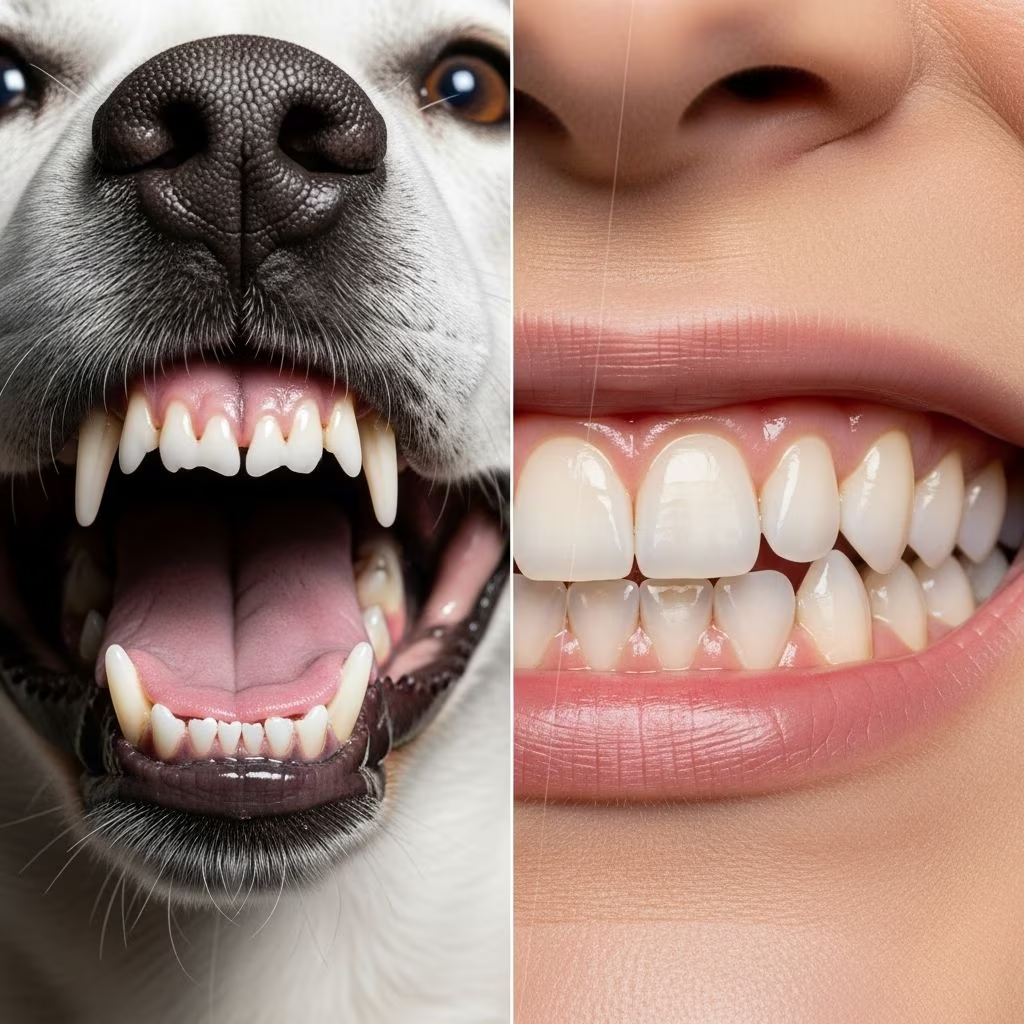
The notion that a dog’s mouth is cleaner than a human’s has persisted for generations, often cited to justify sloppy kisses from furry companions. However, scientific evidence reveals a more nuanced reality: dog mouths harbor distinct microbial ecosystems that are neither cleaner nor dirtier but fundamentally different from ours. This article delves into bacterial comparisons, health risks, and practical advice for maintaining oral hygiene in pets and people alike.
Understanding Oral Microbiomes in Dogs and Humans
The human mouth hosts a complex community of microorganisms known as the oral microbiome. Research indicates approximately 700 distinct bacterial species reside there, contributing to digestion, immunity, and sometimes disease when imbalanced. Dogs, similarly, maintain their own oral flora, with studies identifying around 600 to 714 bacterial types. While numbers are comparable, the composition varies significantly.
Early comparative studies cultured oral samples from humans, dogs, and cats, finding humans had the fewest bacteria overall, followed by dogs and then cats. This challenges the ‘cleaner’ myth directly. Both species share some microbes, like certain Veillonella strains, but dogs possess unique pathogens absent in humans.
Key Bacterial Differences Between Species
Dogs and humans exhibit overlapping yet distinct bacterial profiles. Porphyromonas bacteria exemplify this: dogs carry P. gulae, linked to periodontal disease, while humans host P. gingivalis, a relative causing similar issues. These shared family traits highlight evolutionary parallels in dental pathology but underscore species-specific adaptations.
| Bacteria Type | Found in Dogs | Found in Humans | Health Impact |
|---|---|---|---|
| Porphyromonas | P. gulae | P. gingivalis | Periodontal disease in both |
| Capnocytophaga | C. canimorsus (common) | Rare | Severe infections in humans via bites/licks |
| Pasteurella | P. canis (prevalent) | Less common | Bite wound infections |
| Veillonella parvula | Present (less frequent) | Common | Usually benign, opportunistic pathogen |
This table summarizes critical differences, drawing from veterinary and medical research. Dog-specific bacteria like Capnocytophaga canimorsus pose zoonotic risks, potentially causing septicemia in vulnerable humans.
Debunking the Cleanliness Myth: Origins and Science
The myth likely stems from misconceptions about saliva’s antibacterial properties. Dog saliva contains enzymes like lysozyme, but so does human saliva, with comparable effects. Neither renders the mouth sterile; both environments foster bacterial growth influenced by diet, hygiene, and environment.
Quantitative data refutes superiority: human mouths average 615+ species, dogs around 600-714. Qualitatively, dog mouths include pathogens from scavenging behaviors—think trash, feces, or raw meat—elevating contamination risks beyond inherent flora.
Health Risks of Dog Saliva Contact with Humans
For most healthy adults, dog licks pose low risk due to non-zoonotic dominance in canine flora. However, exceptions abound:
- Immunocompromised individuals: Higher susceptibility to infections like pasteurellosis.
- Open wounds: Saliva entering cuts can introduce Capnocytophaga, leading to sepsis.
- Children and elderly: Immature or weakened immunity amplifies dangers.
- Raw-fed dogs: Increased Salmonella transmission potential.
Bite wounds amplify risks, with Pasteurella canis as the top isolate from infected dog bites. Always clean wounds promptly and seek medical advice.
Dental Health Parallels: Periodontal Disease in Pets and Owners
Periodontal disease affects 80% of dogs over age three, mirroring human prevalence. Plaque accumulation leads to gingivitis, tartar, and bone loss in both. Shared risk factors include poor brushing, high-sugar/carb diets, and genetics.
Dogs lack routine dental care, exacerbating issues. Symptoms include halitosis, loose teeth, and pain. Human periodontal disease links to heart disease and diabetes, suggesting similar systemic effects in canines.
Maintaining Oral Hygiene for Your Dog
Proactive care prevents bacterial overgrowth:
- Daily Brushing: Use enzymatic toothpaste and dog-specific brushes. Aim for 30 seconds per side.
- Dental Chews: VOHC-approved products reduce plaque by 20-70%.
- Water Additives: Chlorhexidine-based formulas control bacteria.
- Professional Cleanings: Annual vet scalings under anesthesia for thorough removal.
- Diet: Kibble promotes mechanical cleaning; avoid sticky treats.
Regular exams catch issues early, improving life quality and reducing zoonotic spread.
Human Oral Care: Lessons from Canine Comparisons
Observing dog dental woes reinforces human habits: brush twice daily, floss, and visit dentists biannually. Both benefit from fluoride and probiotics balancing microbiomes. Cross-species insights highlight hygiene’s universal importance.
When to Worry: Signs of Oral Infection
- Drooling excessively or pawing at mouth.
- Red, swollen gums or bleeding.
- Bad breath persisting despite cleaning.
- Loose or missing teeth.
- Difficulty eating or facial swelling.
These warrant vet visits; untreated cases lead to abscesses or organ damage.
FAQs on Dog and Human Mouth Bacteria
Is it safe to let my dog lick my face?
Generally yes for healthy adults, but avoid if you have wounds or weakened immunity.
Do dogs get cavities like humans?
Rarely; their diet and tooth structure differ, but they suffer fractures and wear.
How often should I clean my dog’s teeth?
Daily ideally, at least 3-4 times weekly for efficacy.
Can human toothpaste harm dogs?
Yes, xylitol and foaming agents are toxic; use pet formulations only.
Does raw diet improve dog oral health?
Debatable; bones scrape teeth but risk fractures and bacterial load.
Environmental and Lifestyle Influences on Oral Flora
Dogs explore with mouths, ingesting dirt, feces, and debris, diversifying bacteria. Humans, with upright posture, face food-particle retention. Both accumulate environmental microbes, but dogs’ habits amplify variety.
Raw diets introduce pathogens like Salmonella, while processed kibble fosters plaque. Balanced nutrition supports saliva’s natural defenses in both.
Future Research Directions
Ongoing studies map microbiomes via sequencing, potentially yielding probiotics tailored per species. Zoonotic prevention may evolve with vaccines against key pathogens like Capnocytophaga.
Understanding interspecies microbial exchanges could refine hygiene protocols, benefiting pet-human households.
References
- A comparison of human and animal mouth flora — PubMed. 1991. https://pubmed.ncbi.nlm.nih.gov/1744782/
- Are Dogs’ Mouths Cleaner Than Human Mouths? — PetMD. 2020. https://www.petmd.com/general-health/are-dogs-mouths-cleaner-than-human-mouths
- Is My Dogs Mouth Cleaner Than Mine? — Broad Street Vet. 2023-06-15. https://www.broadstreetvet.com/site/blog/2023/06/15/is-dogs-mouth-cleaner-than-mine
- Debunking the Dog’s Mouth Being Cleaner Than a Human’s Myth — Trooper Vet. 2023-04-15. https://www.troopervet.com/site/blog/2023/04/15/dog-mouth-cleaner-human-mouth
- Is a Dog’s Mouth Cleaner Than a Human’s? — American Kennel Club. N/A. https://www.akc.org/expert-advice/health/is-dogs-mouth-cleaner-than-humans/



